


Gujarati Traditional Dress – History, Textile, Craft & Community-Specific Fashion Guide
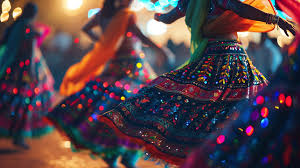
Gujarat is one of India’s greatest textile heartlands, known worldwide for its beautiful Gujarati traditional dress. From the salt flats of Kutch to the silk looms of Patan, every corner of this state has a fabric story to tell.
Gujarati traditional dress is not just clothing — it’s a reflection of history, trade, desert life, and generations of skilled artisans. Whether you’re fascinated by handloom craft, looking for wedding fashion inspo, or simply want to understand what makes this attire so unique, this guide covers it all.
History of Gujarati Traditional Dress
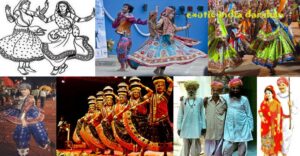
Gujarat’s textile legacy goes back thousands of years. Here’s a quick timeline of how Gujarati dress evolved:
| Era | Key Development |
|---|---|
| 2500 BCE – Indus Valley | Cotton cultivation and basic dyeing traced to Lothal (Gujarat) |
| 6th–12th Century | Rajput clans established court dress codes; rich embroidery traditions began |
| 12th–16th Century | Jain merchants funded master weavers; Patola silk emerged in Patan |
| Mughal Period | Persian motifs blended with local patterns; Bandhani gained royal status |
| 17th–19th Century | Trade routes with Africa, Persia, and Southeast Asia brought new dye techniques |
| Colonial Period | Handloom declined under British textile imports; artisans shifted to simpler styles |
| Post-Independence | Handloom revival movements; artisan cooperatives formed in Kutch and Saurashtra |
| Modern Era | Designer collaborations, NRI demand, and global runways bring Gujarati textiles worldwide |
What makes this history special?
- Gujarat’s pastoral communities — like the Rabari and Ahir — kept embroidery traditions alive even when trade routes changed
- Jain philosophy of non-violence influenced the use of plant-based dyes
- Artisan caste groups (like Khatri dyers and Salvi weavers) passed skills generation to generation
Textile and Craft of Gujarat
Gujarat is home to some of India’s most technically complex and visually stunning textile crafts.
1. Bandhani (Tie-Dye)
- Fabric is hand-picked into tiny knots before dyeing
- Each knot resists the dye, creating bright dot patterns
- Colors like red, yellow, green, and deep blue are most traditional
- Heavily used in bridal wear, Navratri chaniya cholis, and Gharchola sarees
- Jamnagar and Anjar are the main centers
Fun fact: A single Bandhani dupatta can have over 75,000 hand-tied knots.
2. Patola Silk (Patan)
- Created using double ikat weaving — both warp and weft threads are pre-dyed
- Pattern appears identical on both sides of the fabric
- Extremely time-consuming — one saree can take 6 months to a year
- Traditionally made by the Salvi weaver family in Patan
- Considered a heirloom textile — passed down as inheritance
| Feature | Detail |
|---|---|
| Technique | Double ikat weaving |
| Origin | Patan, Gujarat |
| Time to make | 6–12 months |
| Price range | ₹50,000 – ₹5,00,000+ |
| Occasions | Weddings, gifting, heirlooms |
3. Kutchi Embroidery
- Famous for mirror work (abhla bharat) and bold geometric patterns
- Every stitch style is community-specific — no two villages make the exact same embroidery
- Used on skirts, blouses, bags, and wall hangings
4. Rare Embroidery & Stitch Techniques
| Technique | Community | Key Feature |
|---|---|---|
| Ahir Embroidery | Ahir community | Bright chain stitch, circular motifs |
| Rabari Stitch | Rabari pastoralists | Dense mirror work, white thread on dark base |
| Mochi Bharat | Mochi (cobbler) caste | Fine thread embroidery using a cobbler’s hook tool |
| Soof Embroidery | Sodha Rajput women | Counted thread geometric patterns, no mirror work |
| Mutwa Fine Stitch | Mutwa community | Tiny silk thread stitches, extremely delicate |
Each of these is linked to a specific community’s identity — women often stitch their own wedding trousseau using these techniques.
Sustainability note: Several NGOs and government programs now support Kutchi embroidery artisans. Buying authentic handmade pieces directly supports these communities.
Gujarati Traditional Dress for Women (Unique Female Attire)
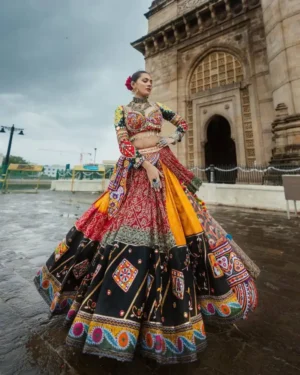
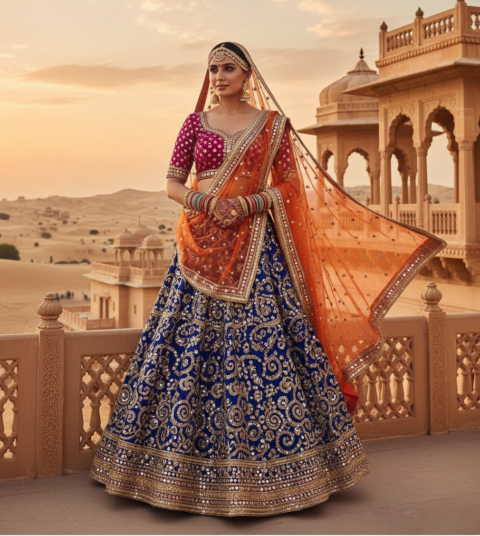
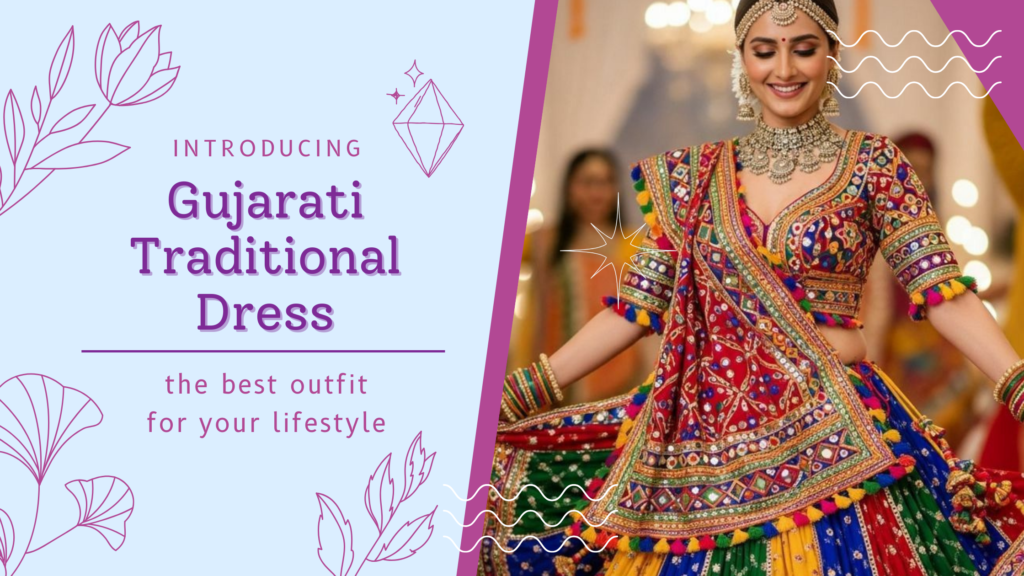
Chaniya Choli
This is the most iconic Gujarati outfit for women.
- Chaniya = a full, flared skirt with multiple tiers
- Choli = a fitted blouse, often heavily embroidered
- Dupatta is draped across the shoulder or head
- Mirror work, Bandhani prints, and Kutchi embroidery are common
- When worn: Navratri (9 nights of Garba), weddings, festivals
Gharchola Saree
- Made with a Bandhani-printed zari grid on silk
- Traditionally gifted by the groom’s family to the bride
- Red and gold are the most auspicious colors
- The dots in the grid are considered a blessing — more dots = more auspiciousness
Panetar Saree
- Pure white silk saree with red Bandhani border
- The bride wears it during the wedding ceremony
- White symbolizes purity, red symbolizes prosperity
- Paired with red blouse and heavy silver jewelry
Tribal & Community Women’s Attire
| Community | Typical Attire | Key Detail |
|---|---|---|
| Rabari Women | Dark navy/black ghaghra with heavy mirror embroidery | White thread contrast work |
| Ahir Women | Bright colored ghaghra with circular embroidery | Red and yellow preferred |
| Jat Women | Embroidered long skirts with patchwork | Very dense, colorful needlework |
Draping Styles
- Seedha Pallu — the pallu (end of saree) is draped from right shoulder to front, showing the full border; this is the Gujarati way
- Heavy dupatta draped during Garba is pinned at the shoulder
- Silver tribal jewelry is paired with traditional attire — including large silver hasli (neck rings), bangles, and anklets
Gujarati Traditional Dress for Men (Unique Male Attire)
Men’s traditional Gujarati dress is often overlooked — but it’s just as rich.
Kediyu
- A short, flared kurta that ends at the waist
- The flare gives it a feminine silhouette — worn proudly by men during Garba
- Heavily embroidered with mirror work on the chest and sleeves
- Paired with chorno or dhoti
- Colors match women’s outfits during festival dances
Chorno
- Traditional pleated bottom wear for Gujarati men
- Like a dhoti but with distinct pleating style at the front
- Comfortable for dance and farm work both
Dhoti & Kurta
- Classic combination for religious ceremonies and weddings
- White or cream for religious occasions; colored silk for weddings
- Older men and village elders still wear this daily
Pagdi (Turban)
- Turban tying styles vary by community and occasion
| Community | Turban Style |
|---|---|
| Rajput | Tight, fan-shaped, often saffron |
| Patel/Leva | Simple white wrap |
| Rabari | Heavily embroidered, worn close to head |
| Wedding grooms | Large, elaborate with jhumar (decoration) |
Men’s Wedding Attire
- Traditional grooms wear an embroidered sherwani-style kurta with chorno or dhoti
- Pagdi is mandatory — it’s tied ceremonially by family members
- Mojdi (embroidered leather shoes) complete the look
- Urban grooms now blend Indo-western styles — slim-fit kediyu with trousers, for example
Community-Specific Attire of Gujarat
Gujarat is home to dozens of distinct communities — and each dresses differently.
Rabari Community
- Nomadic pastoralists from Kutch and Saurashtra
- Women wear black or dark indigo ghaghra with intricate white mirror embroidery
- Silver jewelry worn heavily — reflects wealth and status
- Men wear white kediyu and white turban
Ahir Community
- Cattle herders with a rich embroidery tradition
- Women prefer bright reds and yellows with circular chain stitch patterns
- Their embroidery style is bold and colorful — easy to identify
Bharwad (Shepherd) Community
- Shepherds from central Gujarat
- Men known for their long, elaborately wound turbans
- Women wear simple cotton ghaghra with basic Bandhani borders
Koli Community
- Fishing community along the coast
- Women wear nine-yard sarees draped in a specific style for ease of movement
- Simpler embroidery, brighter colors
Jain & Vaishnav Styles
- Prefer white, cream, and pastels — avoiding bright red and black
- Fine weave cotton and Patola silk used during festivals
- Modesty is central — full coverage preferred
Traditional Fabric and Draping Styles
The way Gujarati clothes are draped is as important as the fabric itself.
- Seedha Pallu Saree Drape — pallu comes from the right, draped to the front left shoulder, showing the full embroidered border (unlike Nivi drape where pallu goes over the back)
- Garba Dupatta Drape — pinned at one shoulder, flowing free during dance for visual effect
- Turban Wrapping — each community has a distinct fold; Rajput turbans are wider, Rabari turbans tighter
- Layered Skirt Construction — Chaniya choli skirts have 3–5 tiers, each tier hand-gathered for maximum flare
Why the fabrics are the way they are:
- Gujarat’s desert heat demands breathable fabrics — cotton, light silk, open weaves
- Bright colors reflect desert light beautifully — that’s why Gujarati attire is so vivid
- Mirrors in embroidery were originally believed to ward off the evil eye
Festival and Marriage Fashion
Navratri Fashion
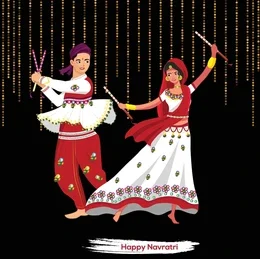
Nine nights of Garba mean nine days of incredible fashion.
- Women wear chaniya choli in different colors each night
- Each of the 9 nights is traditionally associated with a color:
| Night | Color |
|---|---|
| Day 1 | Yellow |
| Day 2 | Green |
| Day 3 | Grey |
| Day 4 | Orange |
| Day 5 | White |
| Day 6 | Red |
| Day 7 | Royal Blue |
| Day 8 | Pink |
| Day 9 | Purple |
- Men wear vibrant kediyu with matching chorno
- Mirror work, Bandhani prints, and Kutchi embroidery all shine during Navratri
Gujarati Wedding Fashion
| Occasion | Bride’s Attire | Groom’s Attire |
|---|---|---|
| Pithi Ceremony | Yellow cotton chaniya choli | Simple kurta-pajama |
| Wedding Ceremony | Panetar saree (white & red) | Embroidered kurta + dhoti + pagdi |
| Reception | Gharchola saree (from groom’s family) | Sherwani or designer kediyu |
Jewelry traditions:
- Silver for tribal and rural brides
- Gold for urban and upper-caste families
- Maang tikka, nose ring, heavy bangles, and anklets are essential
Other Festivals
- Uttarayan (Kite Festival): Light, casual traditional wear — women in simple chaniya choli, men in kurta-pajama
- Diwali: Rich silk kurtas for men; embroidered chaniya choli or sarees for women
Modern Adaptation & Global Influence
Gujarati fashion has traveled far beyond the state’s borders.
- Indo-western fusion: Chaniya paired with crop tops; kediyu with slim trousers
- Mirror work jackets have become a global fashion trend — seen on runways in Paris and New York
- Designer Patola sarees now retail for lakhs and are worn by celebrities at award shows
- NRI communities drive huge demand for authentic Bandhani and Patola — especially for weddings abroad
- Bollywood has mainstreamed the chaniya choli — films like Ram-Leela brought global attention to Gujarati fashion
All Type Dress Cart – Shopping Guide
Planning to buy Gujarati traditional dress online? Here’s what to keep in mind.
What to Look For
- Handloom vs Machine Work: Real Bandhani has slight irregularities in dot placement — machine-made is perfectly uniform (and less valuable)
- Patola Authentication: Genuine Patola has the same pattern on both sides; if one side is faded or unclear, it’s likely fake
- Embroidery Quality: Hand embroidery has slight variations in stitch size; machine embroidery is too uniform
- Fabric Weight: Genuine Kutchi embroidery adds weight to the garment due to dense stitching
Price Guide
| Item | Budget Range | Mid-Range | Premium |
|---|---|---|---|
| Chaniya Choli | ₹1,500–5,000 | ₹5,000–15,000 | ₹15,000–50,000+ |
| Bandhani Saree | ₹800–3,000 | ₹3,000–10,000 | ₹10,000–30,000 |
| Patola Saree | ₹50,000+ | ₹1,00,000+ | ₹3,00,000–5,00,000+ |
| Gharchola Saree | ₹3,000–8,000 | ₹8,000–20,000 | ₹20,000–60,000+ |
| Kediyu (Men) | ₹800–2,500 | ₹2,500–7,000 | ₹7,000–20,000+ |
Shopping Tips
- Buy directly from artisan cooperatives like Khamir (Kutch) or Gurjari emporiums for authenticity
- For bridal sets, always custom stitch — ready-made sizes rarely fit perfectly
- Check GI Tag certification for Patola and Bandhani products
- Online platforms like Craftsvilla, iTokri, and state government e-stores carry verified handloom pieces
Why Gujarati Traditional Dress Stands Out in India
| Feature | Gujarati Dress | Rajasthani Dress | Punjabi Dress |
|---|---|---|---|
| Primary Craft | Bandhani, Patola, Mirror Work | Leheriya, Block Print, Gota Patti | Phulkari embroidery |
| Dominant Fabric | Silk, Cotton | Cotton, Georgette | Cotton, Silk |
| Embroidery Density | Very High (mirror heavy) | Moderate | Moderate |
| Saree Drape Style | Seedha Pallu | Nivi-style | Less common |
| Male Attire | Kediyu + Chorno | Angarkha + Dhoti | Kurta + Pajama |
| Craft Uniqueness | Double ikat Patola (extremely rare globally) | Block printing | Phulkari on dupattas |
Gujarat’s strength lies in the sheer diversity of its textile traditions — no other state has as many distinct embroidery styles from different communities.
FAQs
What is the history of Gujarat traditional dress? Gujarat’s dress history begins with the Indus Valley civilization around 2500 BCE, when cotton cultivation was found in Lothal. Over centuries, Rajput, Mughal, Jain, and pastoral influences shaped the embroidery, weaving, and dyeing traditions we see today.
What makes Gujarati attire unique female attire? The combination of Bandhani sarees, mirror-work chaniya choli, and community-specific embroidery styles (Rabari, Ahir, Jat) makes Gujarati women’s attire unlike any other in India. The Seedha Pallu draping style is also distinctly Gujarati.
What is unique male attire in Gujarat? The Kediyu (flared short kurta) worn with Chorno or Dhoti is uniquely Gujarati. The elaborate Pagdi tying traditions, community-specific turbans, and embroidered Mojdi shoes are also distinctive.
Which embroidery styles are rare in Gujarat? Mochi Bharat, Soof embroidery, and Mutwa fine stitch work are among the rarest — practiced by small communities and at risk of dying out. Rabari and Ahir stitching styles are also highly specialized.
What is worn during Gujarati weddings? Brides wear the Panetar saree (white and red) during the ceremony and the Gharchola saree (gifted by groom’s family) afterward. Grooms wear embroidered kurta, dhoti or chorno, and an elaborate Pagdi.
How is Gujarati saree draped differently? Gujarati sarees use the Seedha Pallu style — the pallu runs from the right shoulder across the front to the left. This shows off the full embroidered or printed border, which is the opposite direction from the more common Nivi style.
Where can I buy all type dress cart collections online? Authentic Gujarati traditional dress can be found on Craftsvilla, iTokri, Bikriwale, and the Gurjari emporium online store. For Patola sarees, Patan-based weavers often have direct websites. Always look for GI Tag certification or artisan credentials.