

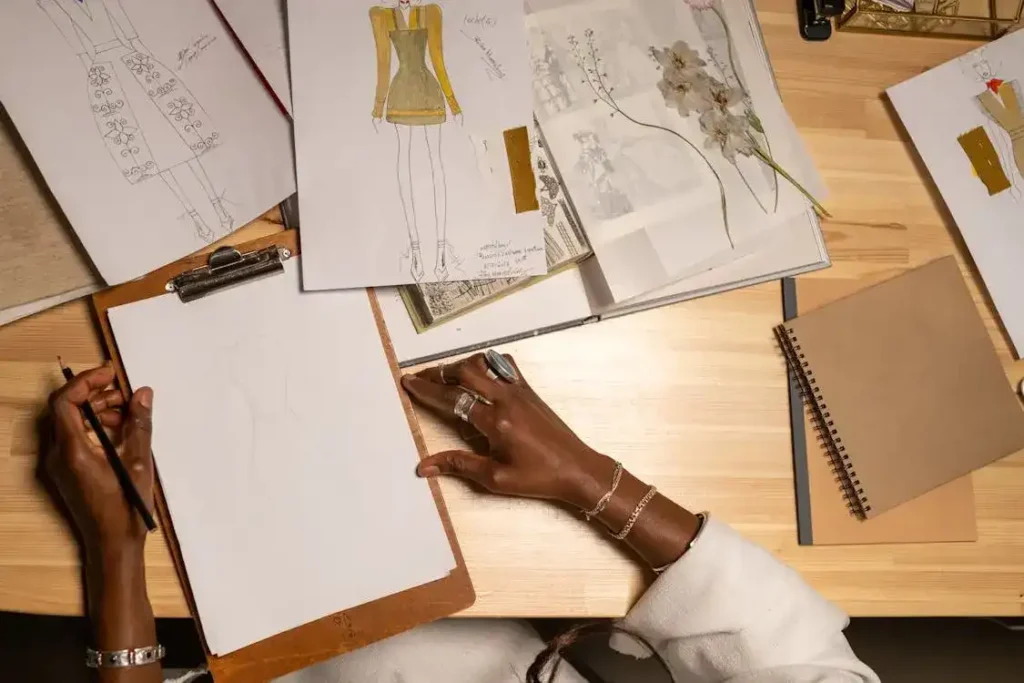

Your step-by-step roadmap from student to professional on how to become a fashion designer — covering education, skills, salary, and everything in between.
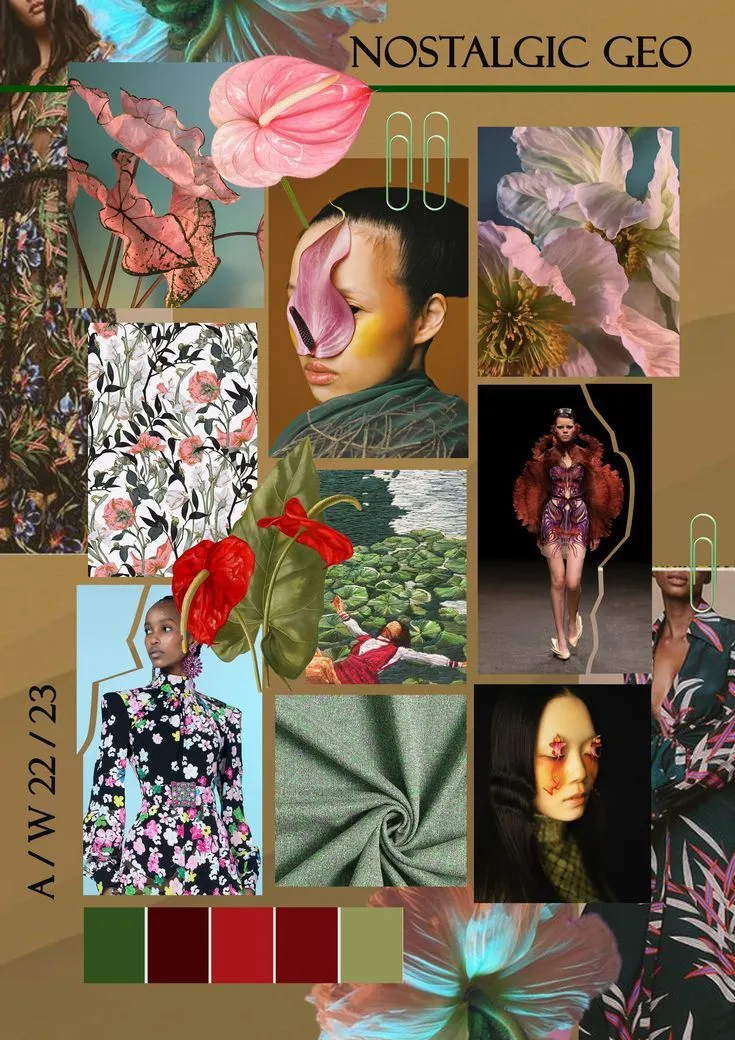
To begin with, a fashion designer is someone who creates clothing, footwear, and accessories. They take an idea — a mood, a trend, a need — and turn it into something people can actually wear.
In essence, fashion designers work on everything from sketching and selecting fabrics to overseeing production and presenting collections. It’s a creative job, but it’s also deeply practical.
Interestingly, there are different types of fashion designers:
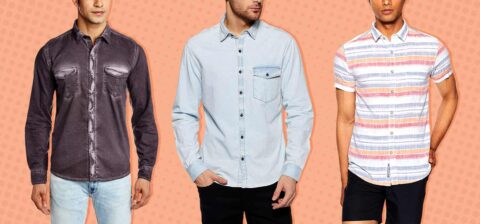
- Apparel designers – they design everyday clothing like tops, trousers, dresses
- Haute couture designers – they create high-end, one-of-a-kind pieces
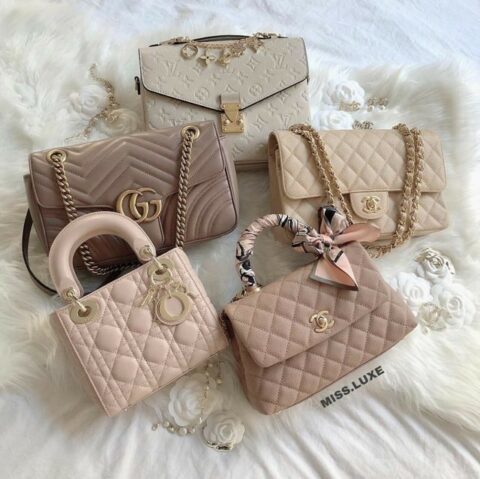
- Accessory designers – they focus on bags, shoes, jewellery
- Costume designers – they create outfits for films, theatre, and TV
- Textile designers – they design the fabrics themselves
2. Is Fashion Designing a Good Career?
Short answer — yes, especially if you’re passionate and willing to build your skills. In fact, the global fashion industry is worth over $1.7 trillion, and it’s still growing.
Moreover, in India, fashion design has become one of the most sought-after creative careers. From luxury labels to fast fashion brands to independent designers, there’s room for many kinds of professionals.
Why choose fashion design as a career?
- High creative freedom — every collection is a blank canvas
- Diverse career paths — you’re not stuck in one role
- Growing demand for trained professionals, especially in India
- Opportunity to build your own label or brand
- International career opportunities
India’s fashion industry is projected to grow significantly, driven by increasing consumer spending, rise of e-commerce, and global interest in Indian textiles and craftsmanship.
3. What Does a Fashion Designer Actually Do?
Day to day, a fashion designer’s job looks quite different from the glamorous runway shows you see on TV. Instead, here’s what the real work involves:
- Researching current and upcoming trends
- Sketching design ideas (by hand or using software)
- Selecting fabrics, colours, and materials
- Creating patterns and samples
- Collaborating with manufacturers and tailors
- Overseeing garment production
- Presenting collections to buyers, clients, or media
- Managing budgets and production timelines
Additionally, senior designers may also manage a team of junior designers and oversee the entire design direction of a brand.
Here’s a simple step-by-step path most fashion designers follow:
- Complete your Class 12 (any stream — arts preferred but not mandatory)
- Clear entrance exams for top design schools (NID, NIFT, CEED, etc.)
- Enrol in a B.Des (Bachelor of Design) or B.Sc. in Fashion Design
- Build your portfolio throughout college
- Do internships with fashion brands or studios
- Graduate and start your career — or pursue a Master’s degree
- Keep learning, building, and networking
4.1 How to Become a Fashion Designer After 12th
After Class 12, you have several good options to start your fashion design journey. Let’s explore them:
Course | Duration | What You’ll Learn |
B.Des in Fashion Design | 4 years | Core design, textiles, garment construction, styling |
B.Sc. in Fashion Design | 3 years | Technical fashion knowledge with science focus |
B.F.Tech (Fashion Technology) | 4 years | Technical side — manufacturing, production, quality |
Diploma in Fashion Design | 1–2 years | Practical, skills-focused crash course |
Certificate courses | 3–12 months | Specialised topics — illustration, draping, styling |
On top of that, here are the top entrance exams to crack for the best colleges:
- NIFT Entrance Exam – for National Institute of Fashion Technology
- NID DAT – for National Institute of Design
- CEED – for IIT design programmes
- UPES DAT – for University of Petroleum & Energy Studies
- Pearl Academy Entrance Exam
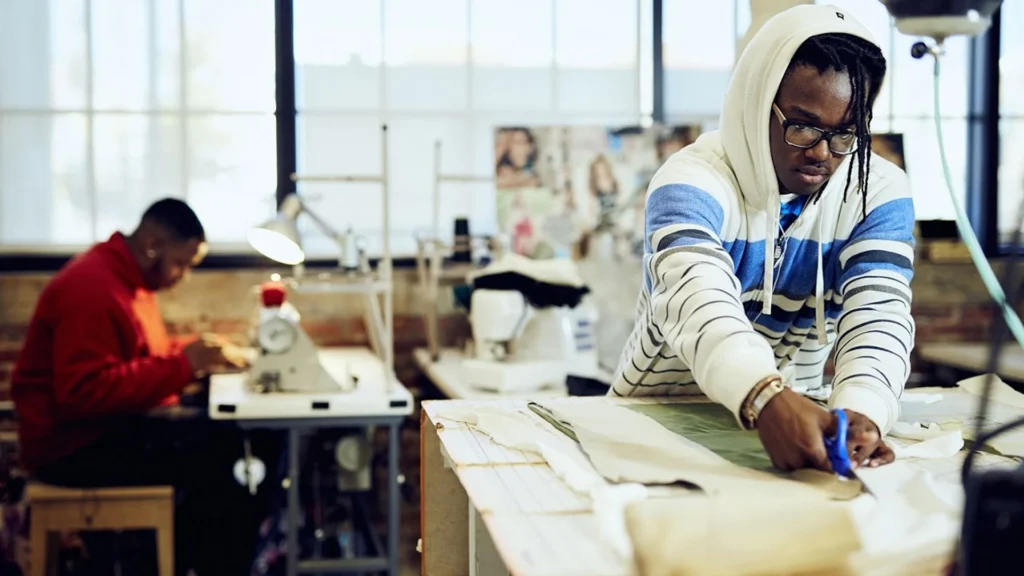
5. Education Required to Be a Fashion Designer
While natural talent matters, formal education teaches you the technical skills that separate hobbyists from professionals. In other words, education is your foundation.
What you learn in a Bachelor of Arts / B.Des in Fashion Design:
- Fashion illustration and sketching
- Textile science and fabric knowledge
- Pattern making and garment construction
- Colour theory and design principles
- Fashion history and cultural context
- Computer-aided design (CAD)
- Retail and merchandising basics
What a Master’s in Fashion Design adds:
- Advanced design research and concept development
- Sustainable fashion and ethical production
- Brand building and fashion communication
- Design leadership and business strategy
- Interdisciplinary collaboration (art, technology, culture)
Tip: The most well-rounded fashion designers combine creative education with business know-how. Understanding how the industry actually works gives you a real edge.
6. Skills You Need to Become a Fashion Designer
Your degree gives you knowledge. However, skills are what make you employable — and promotable. Here’s what employers and clients look for:
Creative Skills
- Strong design sense and aesthetic eye
- Fashion illustration — both hand-drawn and digital
- Ability to translate trends into original concepts
- Colour and texture understanding
Technical Skills
- Pattern making and garment construction
- Fabric knowledge — types, weights, drape, care
- Sewing and tailoring basics
- CAD and design software proficiency
Soft Skills
- Attention to detail — one wrong cut ruins everything
- Communication — pitching your ideas clearly
- Time management — fashion runs on strict deadlines
- Adaptability — trends change fast, so must you
- Research skills — staying ahead of what’s coming
Business Skills (often overlooked but very important)
- Understanding of fashion retail and buying
- Budget management
- Basic knowledge of supply chains and manufacturing
7. Software Fashion Designers Use
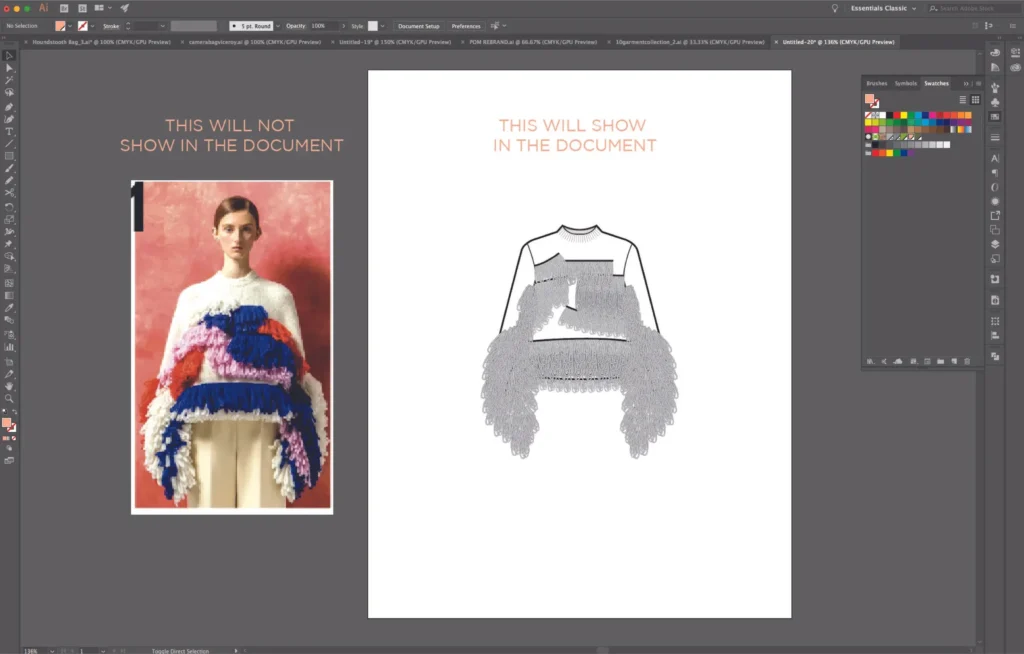
In today’s world, design is both physical and digital. Therefore, here are the most used tools in the industry:
Software | Used For |
Adobe Illustrator | Fashion flats, tech packs, vector illustrations |
Adobe Photoshop | Mood boards, textile editing, photo manipulation |
CLO 3D | 3D garment simulation and visualisation |
Browzwear (VStitcher) | Digital draping and virtual prototyping |
Lectra / Gerber | Professional pattern making and grading |
CorelDRAW | Design layouts and illustrations |
SketchBook (Autodesk) | Digital hand-drawing and sketching |
InDesign | Lookbooks, portfolios, presentations |
As a result, most job listings now ask for Adobe Illustrator and Photoshop at a minimum. Furthermore, CLO 3D is fast becoming a must-have for mid-to-senior roles.
8. Building a Strong Portfolio
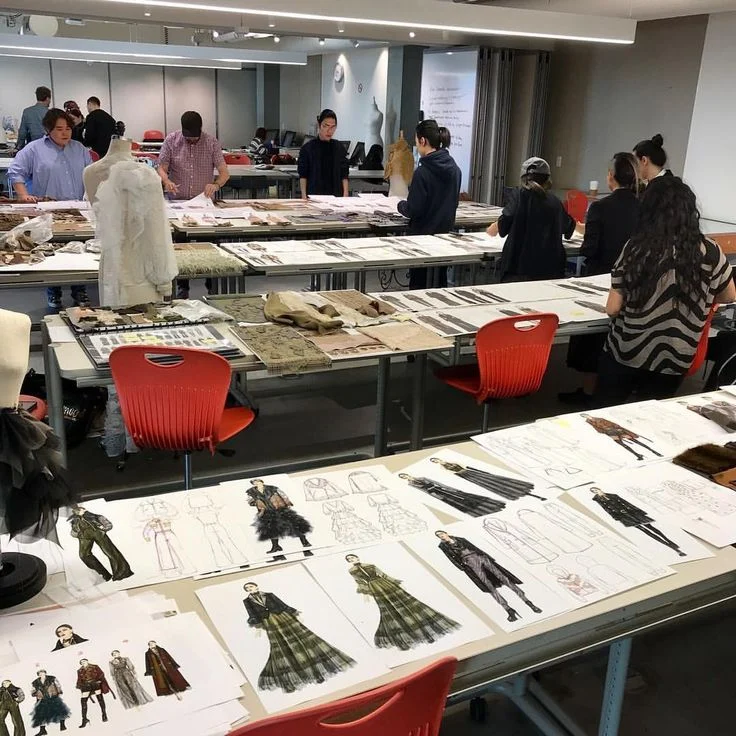
Your portfolio is your most powerful tool as a fashion designer. In fact, it speaks before you do. A strong portfolio can get you into a good college, land you an internship, or secure your first job.
What to include in your fashion portfolio:
- Design sketches — show range and process, not just final pieces
- Completed garments — photos of actual pieces you’ve made
- Mood boards — to show your conceptual thinking
- Fabric swatches and material explorations
- Pattern work and technical drawings
- A clear design narrative — what inspired the collection?
- Digital work if you know Illustrator or CLO 3D
Portfolio tips for 2025:
- Have both a physical portfolio and a digital version (PDF or website)
- Quality matters more than quantity — 12 great pieces beat 40 average ones
- Show your process, not just the end result
- Keep it updated — add new work every few months
- Tailor your portfolio to the role or college you’re applying for
Portfolio advice from the industry: Admissions tutors and creative directors both say the same thing — they want to see how you think, not just what you can copy.
9. Internships and Industry Experience
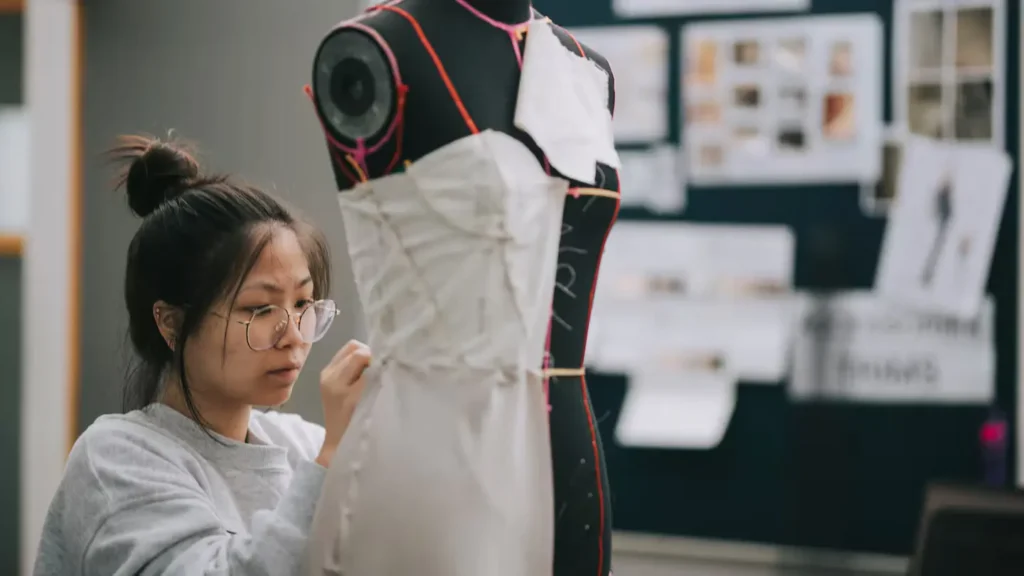
No matter how good your college education is, real-world experience changes everything. Simply put, internships teach you things no classroom can.
What you gain from internships:
- You see how a real fashion studio or brand operates
- You build industry contacts — these are invaluable later
- You learn professionalism and deadlines the hard way
- You add real experience to your CV and portfolio
- Sometimes internships turn into full-time jobs
Where to look for internships:
- Directly email fashion studios and brands — be bold
- LinkedIn — connect with designers and follow brands
- Your college’s placement cell
- Fashion weeks — many organisers take interns
- Niche platforms like Folio and Hiredonme
Keep in mind, even a short 2-month internship during your second or third year can make a big difference when you graduate.
10. Where Do Fashion Designers Work?
Fashion designers work across a surprisingly wide range of places. Contrary to popular belief, it’s not all runways and fashion capitals.
Work Setting | Examples |
Fashion brands and labels | Zara, H&M, FabIndia, Manyavar, Ritu Kumar |
Design studios | Independent design studios, boutiques |
Retail companies | In-house design teams at large retailers |
Entertainment industry | Film, television, OTT costume departments |
Textile companies | Designing prints and fabric collections |
Export houses | Designing garments for international buyers |
Freelance / Self-employed | Working with multiple clients independently |
Own fashion label | Starting and running your own brand |
11. Career Opportunities After a Fashion Design Degree
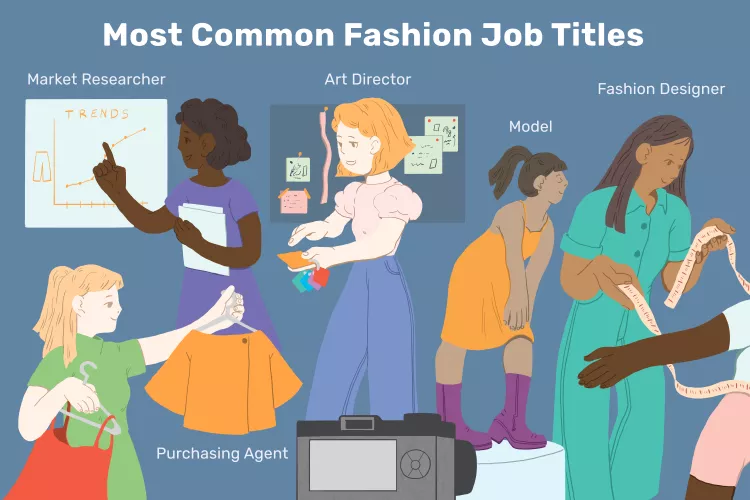
A B.Des in Fashion Design doesn’t just lead to one career. On the contrary, here’s a look at the wide variety of roles available:
Design roles:
- Fashion Designer (the core role)
- Textile Designer
- Accessory Designer
- Print and Pattern Designer
- Costume / Wardrobe Designer
Styling and visual roles:
- Fashion Stylist
- Visual Merchandiser
- Lookbook and Catalogue Stylist
Business and communication roles:
- Fashion Buyer
- Merchandiser
- Fashion Journalist or Editor
- Brand Manager (for fashion labels)
Academic and research roles:
- Fashion Design Educator
- Fashion Researcher or Trend Forecaster
12. Opportunities as a Self-Employed Fashion Designer
Many fashion designers prefer to work for themselves. What’s more, this is becoming more viable than ever, especially with social media and e-commerce.
Ways to build a career independently:
- Launch your own clothing label — even starting small works
- Offer custom or bridal design services
- Freelance for brands that need seasonal design help
- Sell designs to garment manufacturers
- Create and sell digital fashion prints or templates
- Offer styling services to individuals or businesses
- Build an audience on Instagram or YouTube and monetise through collaborations
The internet has made it easier than ever to start small and grow. Many successful Indian designers started with a basic website and Instagram page before getting their big break.
13. Is It Hard to Become a Fashion Designer?
Honestly? Yes, it takes work. However, it’s not harder than most careers if you’re genuinely passionate about it.
The Challenges:
First, here’s what actually makes it challenging:
- The industry is competitive — many people want these jobs
- Fashion trends change fast, so you must always be learning
- Entry-level salaries can be modest, especially in India
- Building a name for yourself takes years of consistent effort
What Makes It Manageable:
On the other hand, here’s what makes it manageable:
- Strong education and a good portfolio open doors quickly
- There are more kinds of fashion jobs than most people realise
- India’s fashion industry is growing — creating more opportunities
- You don’t need a prestigious college to succeed — skills and portfolio matter more
Ultimately, the key is staying consistent, building your skills, and not getting discouraged early on.
14. How Long Does It Take to Become a Fashion Designer?
Path | Time Required |
Certificate course → Entry-level job | 1–2 years |
Diploma → Junior designer role | 2–3 years |
B.Des / B.Sc. → Designer role | 4–5 years (incl. degree) |
B.Des + M.Des → Senior designer | 6–7 years |
Self-taught + portfolio + hustle | Varies — 2 to 5+ years |
Keep in mind — getting your first job is just the beginning. In reality, most designers feel they’ve ‘arrived’ only after 5–8 years of experience.
15. Fashion Designer Salary
In India:
Experience Level | Average Monthly Salary (INR) | Annual (approx.) |
Fresher / Entry-level (0–2 yrs) | ₹15,000 – ₹30,000 | ₹1.8L – ₹3.6L |
Mid-level (2–5 yrs) | ₹35,000 – ₹65,000 | ₹4.2L – ₹7.8L |
Senior Designer (5–10 yrs) | ₹70,000 – ₹1,50,000 | ₹8.4L – ₹18L |
Design Head / Creative Director | ₹1,50,000+ | ₹18L+ |
Independent / Own label | Highly variable | Depends on brand success |
Internationally (reference):
Country / Region | Average Annual Salary |
United States | $50,000 – $90,000 |
United Kingdom | £25,000 – £55,000 |
Italy / France (fashion capitals) | €28,000 – €65,000 |
UAE / Middle East | AED 60,000 – AED 150,000 |
Salary tip: Your salary grows fastest when you specialise — whether it’s bridal wear, sustainable fashion, luxury, or sportswear. Generalists are common. Specialists are rare and valued.
16. Why an Interdisciplinary Approach Matters in 2025
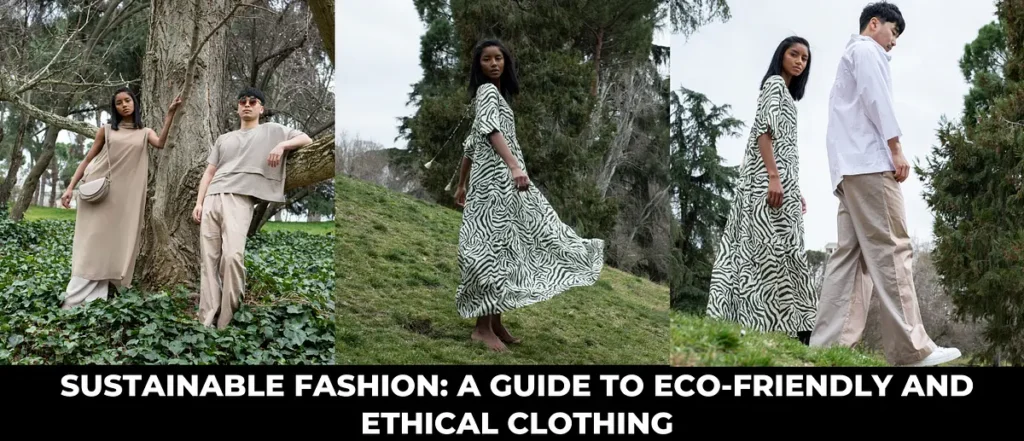
Modern fashion doesn’t exist in a vacuum. Rather, the best designers today understand more than just garments — they understand technology, culture, business, and sustainability.
Areas overlapping with fashion design today:
- Technology — 3D design, AI-assisted trend forecasting, wearable tech
- Sustainability — circular fashion, zero-waste design, ethical production
- Art and culture — design with deeper storytelling and cultural meaning
- Data and analytics — understanding what consumers actually want
- Digital marketing — how to present and sell in an online-first world
As a result, designers who can bridge these areas are far more valuable to employers and consumers alike.
17. Frequently Asked Questions (FAQs)
Q1: Can I become a fashion designer without going to design school?
Yes, it’s possible but much harder. Self-taught designers need an exceptional portfolio, strong networking, and years of hands-on experience. That said, formal education gives you structured learning, industry connections, and credibility that opens doors faster.
Q2: Which stream should I choose in Class 12 for fashion design?
Any stream works, but Arts/Humanities is most common since it includes subjects like fine arts and design. Nevertheless, Commerce and Science students are also accepted into fashion design courses — what matters most is your portfolio and entrance exam performance.
Q3: Is NIFT the only good option for fashion design in India?
No. While NIFT is prestigious, there are many excellent alternatives like NID, Pearl Academy, Symbiosis Institute of Design, JD Institute, and several private universities. Focus on faculty quality, infrastructure, industry connections, and placement records.
Q4: Do I need to know how to sew to become a fashion designer?
You don’t need to be an expert tailor, but understanding basic sewing and garment construction is essential. Specifically, it helps you communicate with manufacturers and understand what’s actually possible to create.
Q5: Can I learn fashion design online?
You can learn many skills online — software, illustration, trend research. Platforms like Coursera, Udemy, and Domestika offer courses. However, hands-on skills like draping, pattern-making, and fabric work are best learned in person.
Q6: What's the difference between fashion design and fashion technology?
Fashion design focuses on creativity — sketching, designing garments, trends. Fashion technology focuses on the production side — manufacturing processes, quality control, supply chain, and technical aspects of garment production.
Q7: Is fashion design only for women?
Absolutely not. Many of the world’s most successful designers are men — Manish Malhotra, Sabyasachi Mukherjee, Rohit Bal in India, and internationally designers like Tom Ford and Virgil Abloh. Fashion design is gender-neutral.
Q8: How important is drawing skill for fashion designers?
Very important, but it’s a learnable skill. In other words, you don’t need to be a fine artist, but you must be able to sketch your design ideas clearly. Fortunately, most design schools teach fashion illustration from scratch.
Q9: What if I want to design only accessories, not clothes?
That’s completely valid. Accessory design (bags, shoes, jewellery) is a specialisation you can pursue through dedicated courses or by focusing your portfolio in that direction during your fashion degree.
Q10: Do fashion designers travel a lot?
It depends on your role. Senior designers, brand heads, and freelancers often travel for fashion weeks, fabric sourcing, and client meetings. Entry-level designers typically work from the studio and travel less.
18. Final Tips for Aspiring Fashion Designers
- Start creating now — don’t wait until college to build your portfolio
- Sketch every day, even if it’s just 10 minutes
- Follow designers you admire — study their work and career paths
- Visit fabric markets and understand materials from the ground up
- Attend local fashion events and exhibitions
- Build an online presence — even a simple Instagram account helps
- Find a mentor or community of designers to learn from
- Don’t ignore the business side of fashion
- Stay curious about culture, art, and everything around you
Fashion design is one of those careers where passion, preparation, and persistence truly do lead somewhere. The path is real — and it’s open to you.
Ready to start your fashion design journey? Research your preferred colleges, prepare for entrance exams, start your portfolio — and take the first step.