



Kashmiri Pheran: The Timeless Traditional Dress of Kashmir
When winter descends upon the snow-covered valleys of Kashmir, there’s one garment that has kept generations warm for centuries—the Kashmiri Pheran. This iconic loose-fitting robe is more than just clothing; it’s a symbol of Kashmiri identity, a testament to the region’s rich cultural heritage, and a practical solution to the harsh Himalayan winters. Whether you’re discovering this traditional dress for the first time or seeking to add an authentic piece to your ethnic wear collection, understanding the Kashmiri Pheran opens a window into one of India’s most fascinating cultural traditions.
The Rich History of Kashmir's Traditional Pheran
The garment evolved as Kashmiris adapted Persian and Central Asian clothing styles to suit their unique climate and lifestyle. Over time, the Pheran became deeply embedded in Kashmiri identity, transcending religious and social boundaries to become the quintessential dress of the region.
Historically, the Pheran was not merely functional wear but also a status symbol. The quality of fabric, intricacy of embroidery, and type of embellishments indicated a person’s social standing. Wealthy Kashmiris wore Pherans made from fine pashmina wool with elaborate Sozni or Tilla embroidery work, while common folk opted for simpler woolen or cotton versions.
Special Occasion Pherans
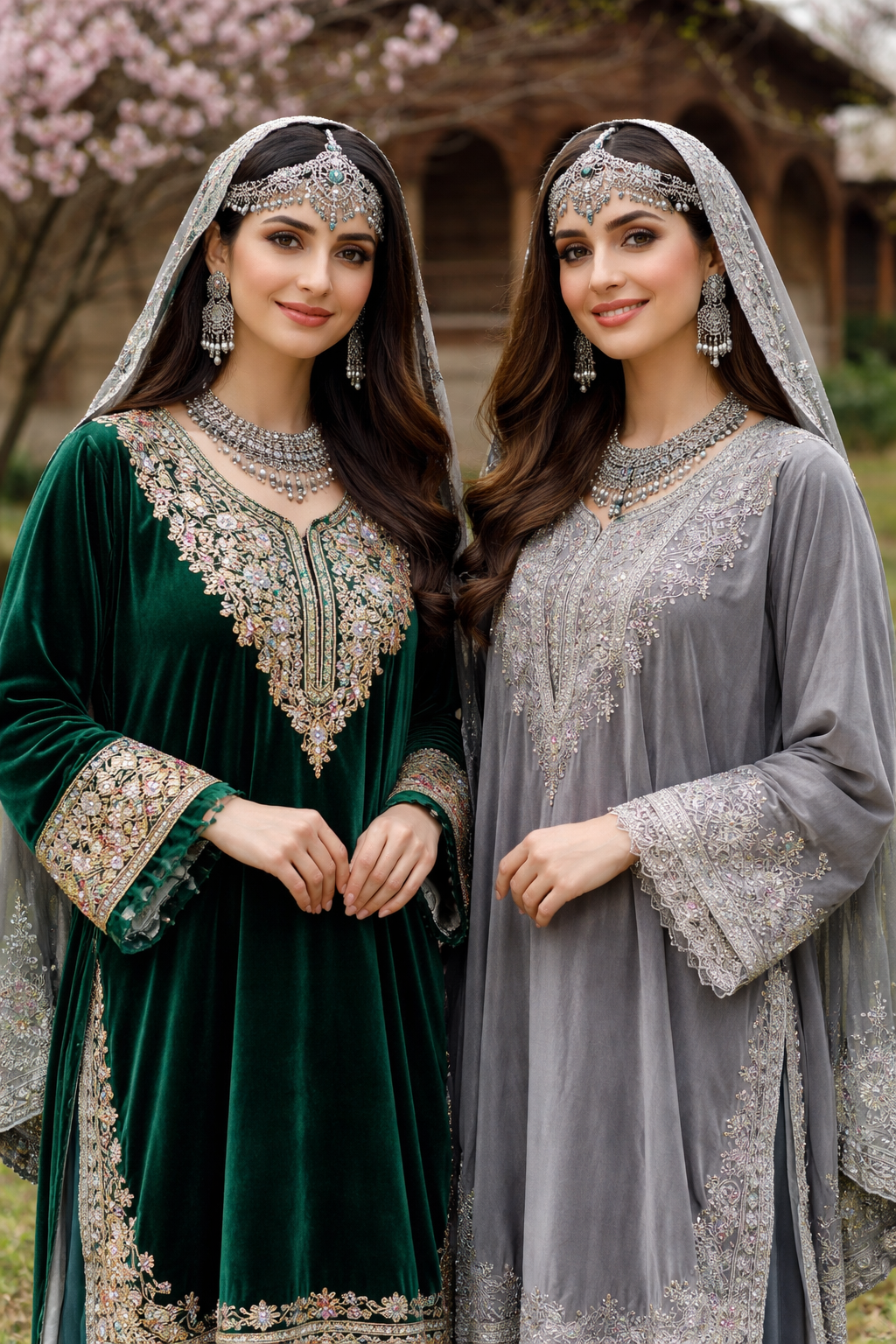
Wedding and festival Pherans represent the pinnacle of Kashmiri textile artistry. Bridal Pherans are often made from luxurious fabrics like pashmina, silk, or velvet, adorned with extensive Tilla (gold thread) embroidery, sequins, and sometimes semi-precious stones. These heirloom pieces are passed down through generations, carrying family history and tradition.
Where to Buy Authentic Kashmiri Pherans
For those seeking authentic Kashmiri Pherans, the best source remains Kashmir itself. In Srinagar, markets like Lal Chowk, Residency Road, and Polo View offer numerous shops selling traditional Pherans. These establishments typically provide a wide range of options, from budget-friendly cotton pieces to luxurious pashmina creations. Shopping directly in Kashmir allows you to examine craftsmanship closely, negotiate prices, and ensure authenticity.
Online platforms have made Kashmiri Pherans accessible to a global audience. Websites specializing in ethnic Indian wear often feature Pheran collections. However, exercise caution when buying online—read reviews carefully, examine product images closely, and verify return policies. Authentic sellers provide detailed information about materials, dimensions, and care instructions.
When purchasing a Pheran, look for quality indicators: even stitching, secure embroidery work that doesn’t pull or pucker, quality fabric with good drape, and appropriate weight for the stated material. Genuine pashmina should be incredibly soft and warm, passing through a ring despite its thickness. Machine embroidery looks more uniform than handwork, which shows slight irregularities that actually indicate authenticity.
Climate Adaptation
Kashmir’s harsh winter climate, especially the 40-day Chillai Kalan period of extreme cold, deeply influenced the pheran’s design and significance . The pheran’s long, layered form is perfectly suited to trap body heat
Economic and Artisanal Significance Artisan Craft
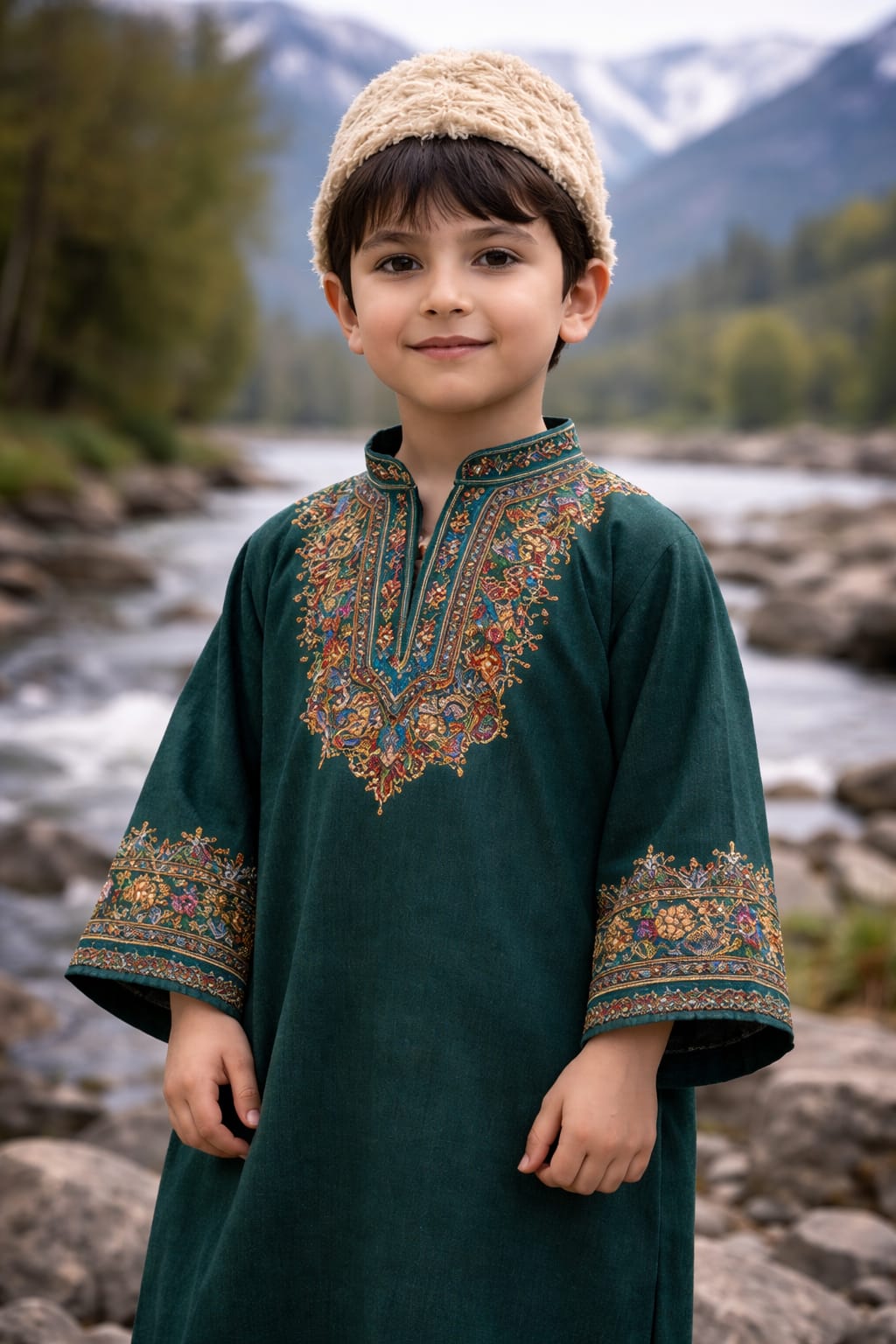
Many artisans who embroider pherans are women working from their homes, providing economic opportunities while preserving cultural heritage. This tradition of home-based embroidery allows women to contribute to household incomes.
Production Time &Market Demand
Artisans can spend weeks to months creating a single embroidered pheran, depending on the intricacy of the design. Hand embroidery commands premium prices and is highly valued.
As winter approaches, demand rises so much that many Kashmiri tailors stitch only pherans throughout the season
Care and Maintenance
Storage
Store in cool, dry places
Protect from moths using natural deterrents
Avoid prolonged sunlight exposure
Cleaning
Woolen pherans: Dry clean only to preserve embroidery
Cotton pherans: Gentle hand wash or dry clean
Velvet pherans: Always dry clean
Difference between Pheran vs Kurta
| Feature | Pheran | Kurta |
|---|---|---|
| Origin | Kashmir Valley | Pan-Indian subcontinent |
| Climate Purpose | Specifically for extreme cold | All seasons, various climates |
| Fabric | Wool, tweed, thick materials | Cotton, silk, linen, synthetics |
| Fit | Very loose and flowing | Fitted to semi-fitted |
| Length | Knee-length to ankle-length | Mid-thigh to knee-length |
| Unique Feature | Worn with kangri (firepot) underneath | No heating element |
| Sleeves | Very wide and loose | Varies – fitted to loose |
| Gender | Unisex (same style) | Unisex (different styles) |
| Styling | Minimal, traditional | Highly varied, modern adaptations |
| Regional Use | Primarily Kashmir | Throughout South Asia |
Men’s Pherans
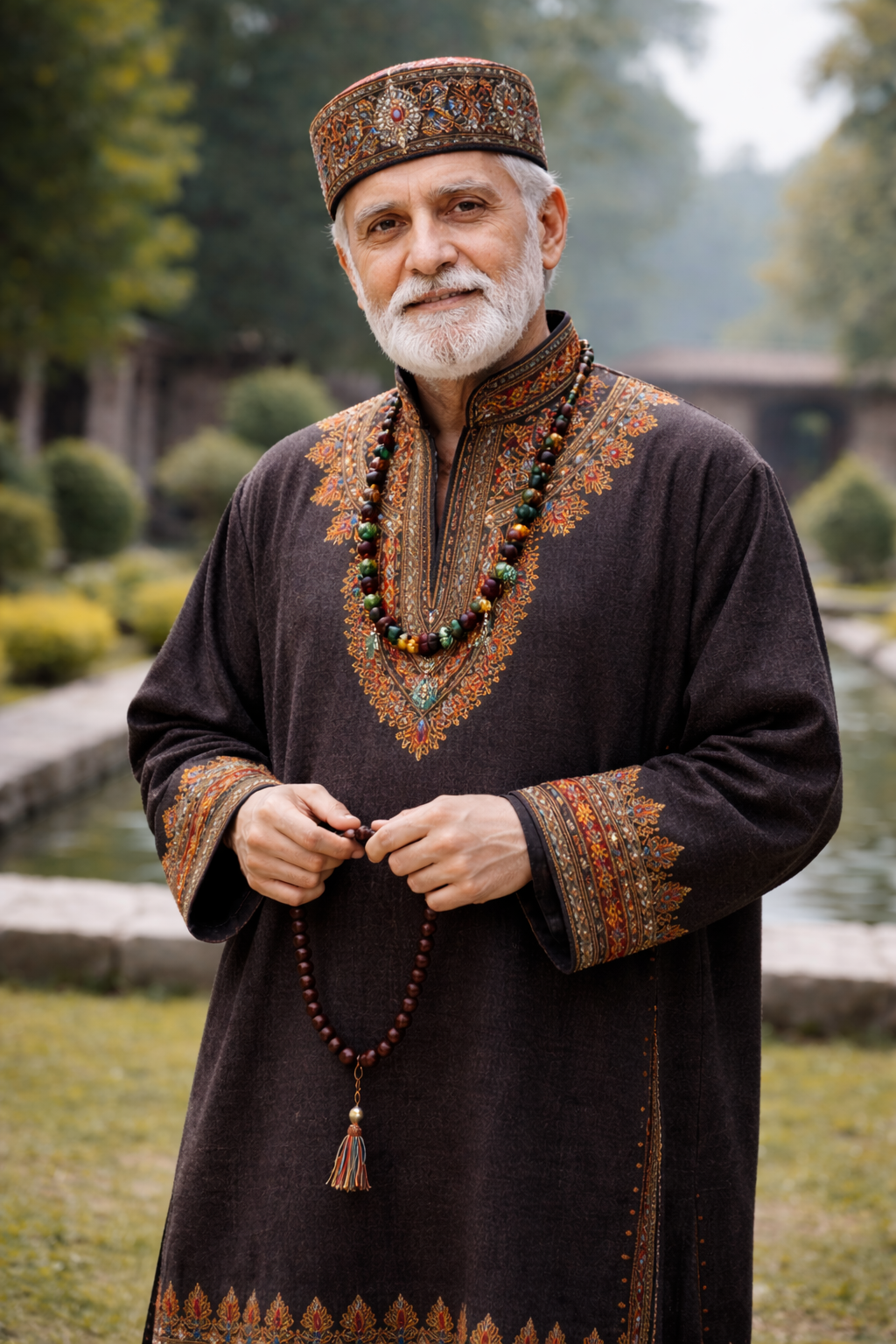
Simple and plain designs
Knee-length in modern styles
Minimal or no embroidery
Made from tweed, wool, or cotton
Earth tones: blacks, greys, whites, browns
Women’s Pherans
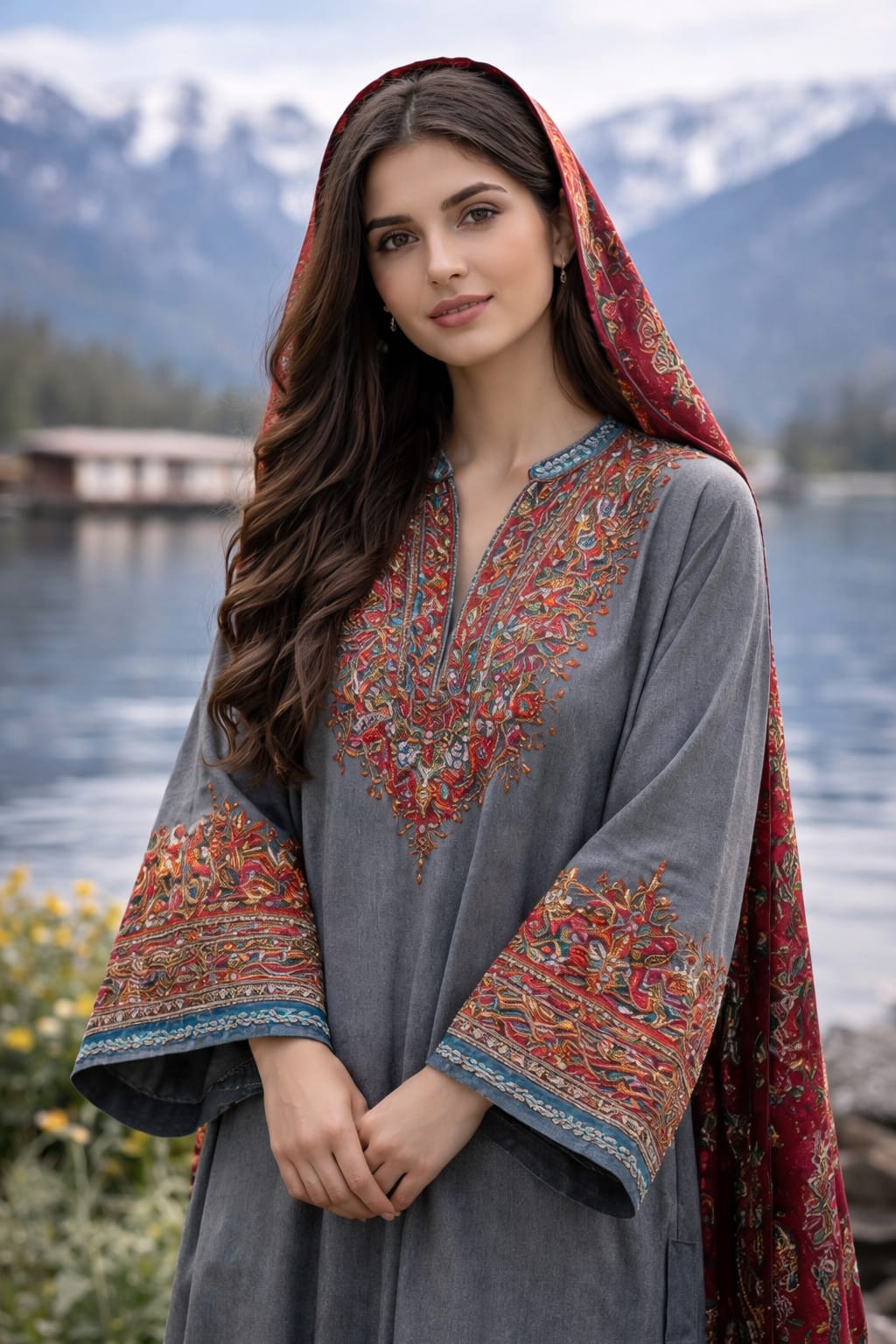
Colorful and ornate
Longer length (calf to ankle)
Narrower at the top with a flared bottom
Elaborate embroidery on neckline, cuffs, borders


Is it appropriate for non-Kashmiris to wear Pherans?
When worn respectfully and with appreciation for the culture, wearing a Pheran is generally welcomed. It’s a form of cultural appreciation rather than appropriation when you understand its significance and purchase authentic pieces that support Kashmiri artisans.
Are Pherans only for winter?
No, Kashmiris wear lightweight cotton Pherans called “Gabaas” during summer months. These breathable versions provide comfort in warmer weather while maintaining the traditional aesthetic.
What colors are traditional for Kashmiri Pherans?
Women’s Pherans come in vibrant colors like maroon, green, purple, and blue, with white and pastels for summer. Men typically wear neutral tones—white, beige, grey, brown, and black. Wedding and festival Pherans may feature richer jewel tones.
Can Pherans be worn outside Kashmir?
Absolutely! Pherans make excellent ethnic wear for special occasions, cultural events, or even as unique statement pieces. Their loose fit suits various body types, and their warmth makes them practical for cold climates anywhere.
Kashmiri pherans price start from around ₹450 for basic Turkish wool varieties. The typical price range varies depending on fabric, embroidery, and quality
Maximum Price: ₹5,000 – ₹8,000+
Kashmiri pherans are made in Kashmir Valley, specifically in the Jammu and Kashmir region of India.
Primary Production Centers:
Srinagar, Kashmir
Traditional markets of Lal Chowk and downtown areas of Srinagar
Khwaja Bazar
Summer Fabrics
Cotton
Linen
Silk
Georgette
Muslin
Winter Fabrics
Pure Wool/Loch:
Raffal Wool:
Tweed/Pattu:
Pashmina:
Velvet (Makhmal)
Styling your kashmiri pehran
Pair a pheran with leggings or skinny jeans,
Add a belt to define the waist,
Wear ankle boots, juttis, or mojaris,
Choose statement earrings with a plain pheran,
Short-length pherans work well for casual or college looks,
Layer with a Pashmina shawl for an elegant winter style.