





INTRODUCTION
There’s something quietly confident about slipping into a pair of Chelsea boots. No laces to fumble with, no complicated buckles—just smooth leather, a satisfying pull, and you’re out the door. Whether you’re dashing to a meeting in tailored trousers or meeting friends in your favorite jeans, leather Chelsea boots somehow manage to look right at home.
But what makes these ankle-high wonders so universally appealing? And more importantly, how do you choose, style, and care for a pair that’ll last years instead of seasons? This guide walks you through everything: the fascinating 1960s history that launched Chelsea boots into the cultural spotlight, how to pick the perfect style and color for your wardrobe, what materials separate exceptional boots from mediocre ones, and practical styling advice that works whether you’re dressing up or down. You’ll also learn the care rituals that keep leather looking rich and supple, plus why investing in quality Chelsea boots is one of the smartest wardrobe decisions you can make. Let’s dig in.
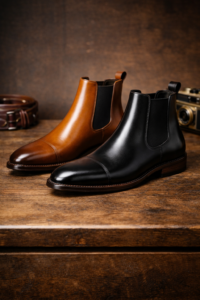
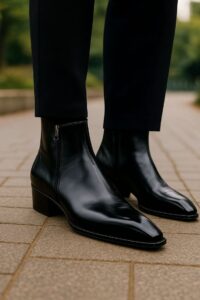
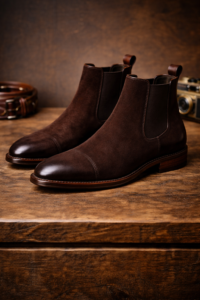
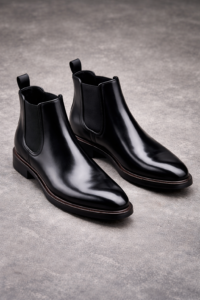
History of Chelsea Boots (1960 Origins)
The Birth of Chelsea Boots
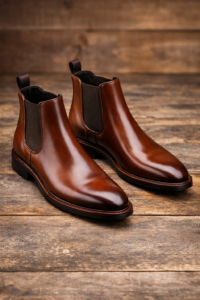
Chelsea boots originated in Victorian England in the mid-19th century, designed by J. Sparkes-Hall for Queen Victoria. Featuring innovative elastic side panels, they were easy to slip on without laces while maintaining a slim, elegant shape. This blend of practicality and refined design made Chelsea boots a timeless and versatile footwear style.
Rise in the 1960s
In the 1960s, Chelsea boots gained iconic status as they entered mainstream fashion, inspired by London’s stylish Chelsea district. Popularized by bands like The Beatles and The Rolling Stones, they became symbols of youth, rebellion, and modern style. The boots evolved from practical footwear into a versatile fashion statement suited to both formal and casual looks.
Why the Design Never Aged
Chelsea boots remain popular due to their timeless design and practical simplicity. Their clean, minimalist silhouette avoids short-lived trends, while the easy slip-on style suits modern, fast-paced lifestyles. With a versatile, gender-neutral form that adapts to different styles and occasions, Chelsea boots continue to be a classic choice across generations.
What Makes Chelsea Boots So Popular?
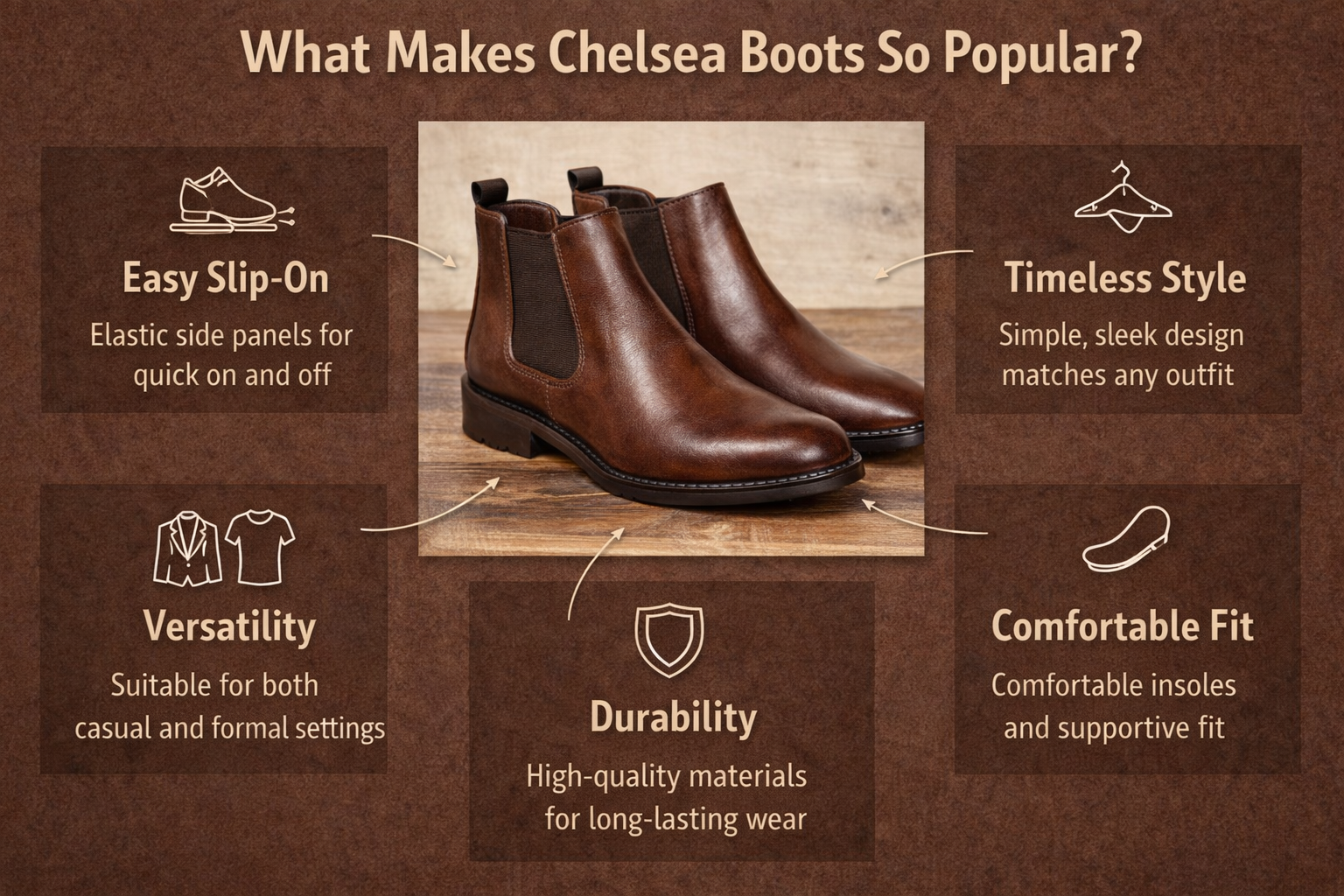
Chelsea boots are popular because they balance style, simplicity, and longevity. Their clean design works effortlessly across formal and casual settings, while quality leather improves with age, making them a timeless and versatile footwear choice.
- Suitable for both formal and casual occasions
- Clean, lace-free design enhances versatility
- Minimalist style avoids going out of fashion
- Pairs well with a wide range of outfits
- High-quality leather ages beautifully over time
- Becomes more comfortable and distinctive with wear
How to Pick a Chelsea Boot Style & Colour – The Complete Guide
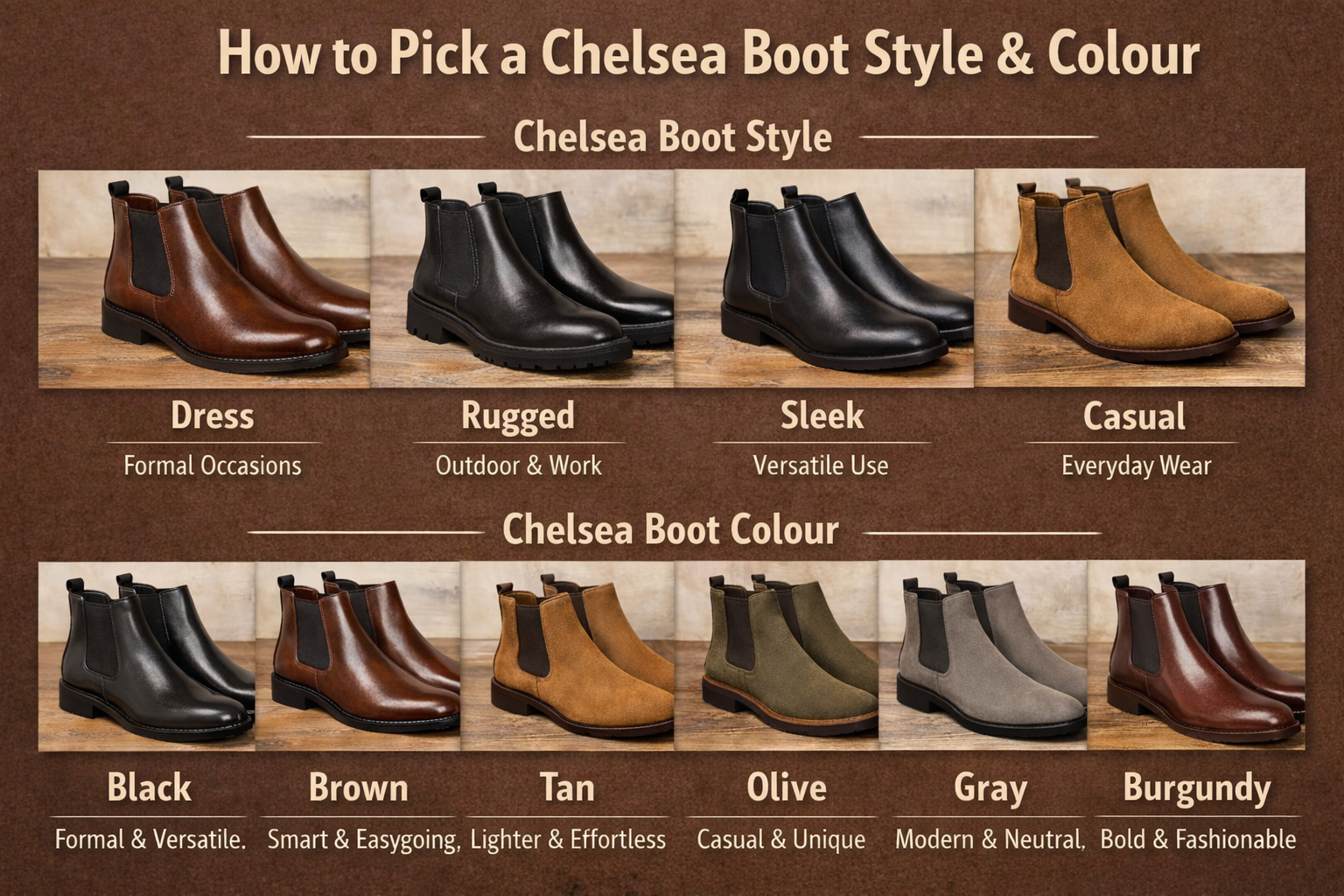
Choosing the Right Leather Chelsea Boot Style
Choosing the right leather Chelsea boot style depends on understanding how small design details shape both look and function. Elements like toe shape, sole thickness, elastic quality, and ankle height determine whether the boot appears classic, modern, formal, or rugged. When these features are well balanced, Chelsea boots deliver lasting comfort, durability, and a polished silhouette suited to different occasions.
- Toe Shape:
- Round toes = classic and versatile
- Chisel toes = sharp and modern
- Sole Thickness:
- Slim soles = refined and formal
- Chunky soles = durable and casual
- Elastic Gusset Quality:
- Strong elastic = better fit, comfort, and longevity
- Ankle Height:
- Proper height = clean, balanced silhouette
Best Colours for Leather Chelsea Boots
- Black leather Chelsea boots are a versatile wardrobe essential, valued for their sleek, formal look and easy adaptability. They effortlessly transition from suits to casual outfits, enhancing even simple styles. Their ability to pair with many colors, along with their durability and scuff-concealing finish, makes them a practical choice for everyday wear.
- Brown leather Chelsea boots provide a warm, versatile option that suits casual and smart-casual settings. Their rich tones pair effortlessly with earth colors, blues, and greens, making them ideal for everyday wear and business-casual environments. Over time, the leather develops a distinctive patina, adding character as the boots age.
- Tan and suede Chelsea boots enhance seasonal style with lighter, more relaxed appeal. Tan leather works especially well in spring and summer, pairing neatly with light fabrics and softer colors, while suede adds texture and a casual touch to outfits. However, suede needs extra care and is less suitable for wet conditions.
Matching Style to Lifestyle
Office Wear:
- Choose black or dark brown leather Chelsea boots
- Prefer slim soles and refined toe shapes
- Opt for smooth, polished leather finishes
- Pair easily with suits and tailored trousers
Weekend Casual:
- Chunkier soles add a relaxed feel
- Lighter shades, suede, or tan/brown leather work well
- Pair effortlessly with jeans, casual chinos, and relaxed layers
Travel & Daily Wear:
- Select durable options with rubber or Dainite soles
- Dark colors help hide scuffs and wear
- Slip-on design offers convenience at security checks
- Balances comfort, practicality, and style
What Type of Material Is Used in Chelsea Boots? (In-Depth)
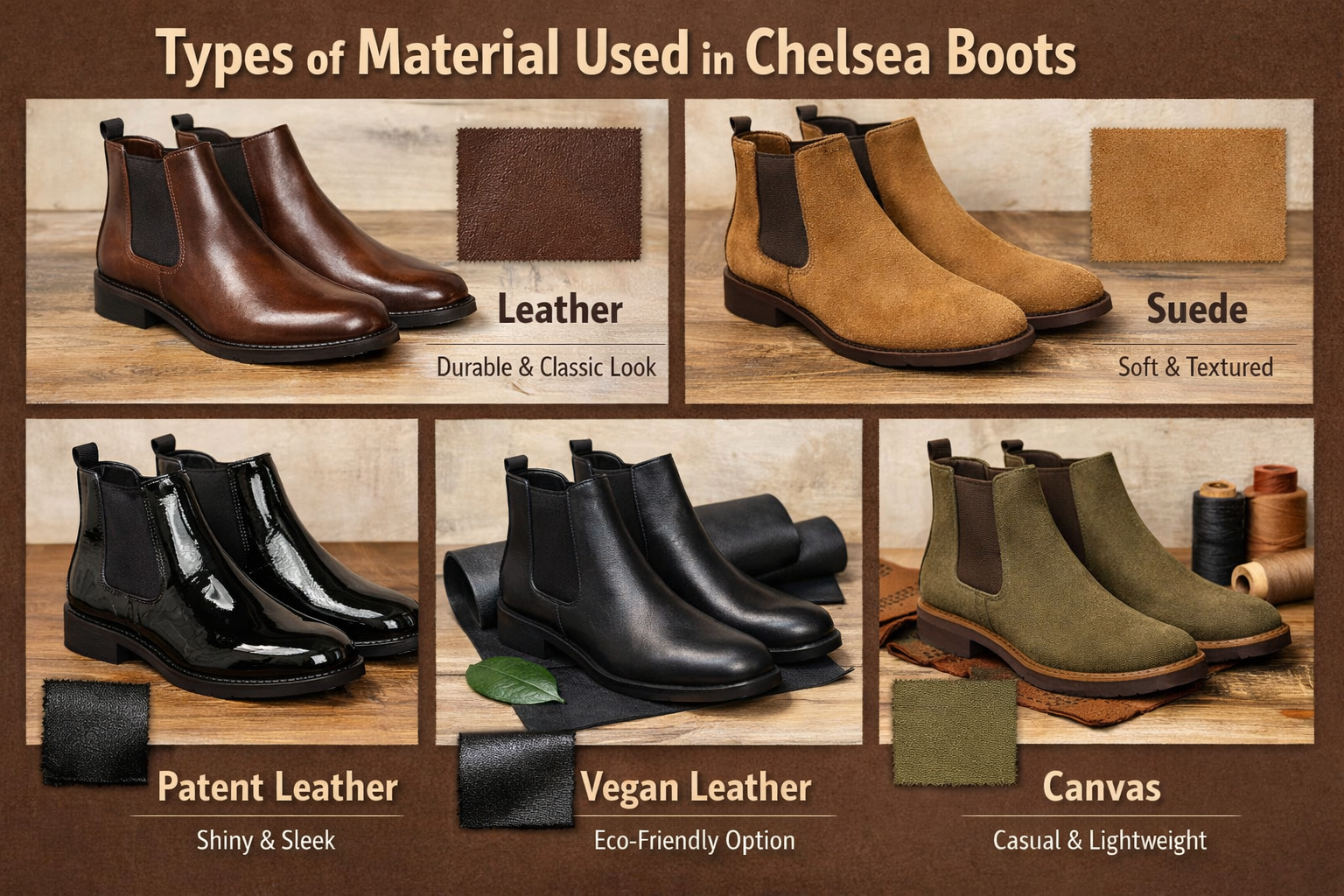
Chelsea boots use a variety of upper materials, each shaping how the boots look, feel, and perform over time. Premium leathers focus on durability and elegant aging, while textured and alternative materials emphasize casual style, flexibility, or ethical preferences. The choice of material ultimately determines comfort, maintenance needs, and overall lifespan
- Full-Grain Leather:
- Highest quality, most durable
Develops rich patina over time
- Highest quality, most durable
- Top-Grain Leather:
- Smooth, uniform appearance
- Good balance of quality and affordability
- Calfskin Leather:
- Soft, fine-grained, and elegant
- Ideal for dressy Chelsea boots
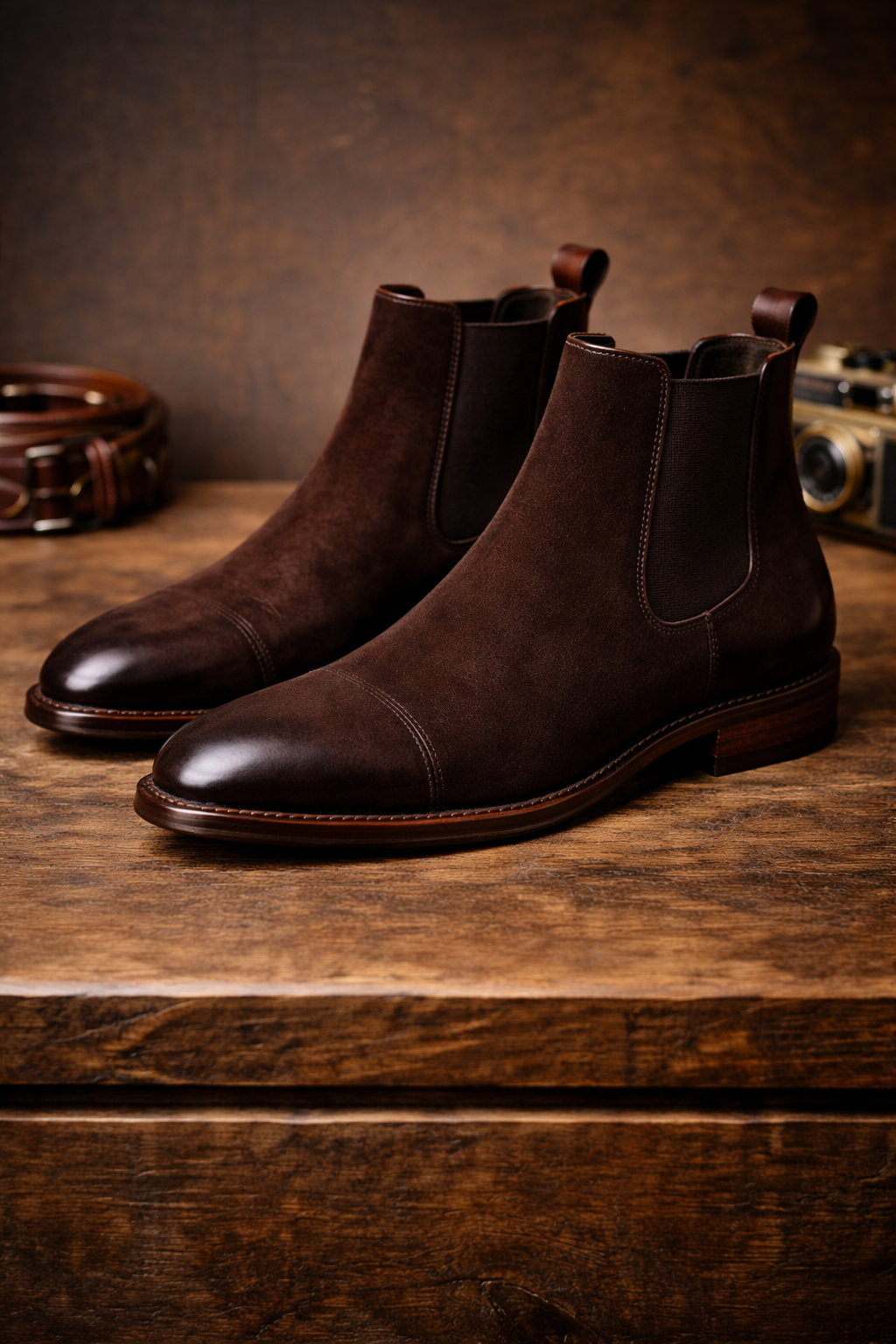
- Suede:
- Casual, textured look
- Requires careful maintenance
- Nubuck:
- Soft, velvety finish
- More durable than suede
- Vegetable-Tanned Leather:
- Natural tanning process
- Ages beautifully with character
- Chrome-Tanned Leather:
- Flexible and water-resistant
- Most commonly used method
- Vegan Leather:
- Synthetic or plant-based alternative
- Less breathable and durable than genuine leather
- Pull-Up Leather:
- Distressed, two-tone effect
- Hides scratches well
- Patent Leather:
- High-gloss, fashion-forward finish
- Best for occasional or formal wear
Material Detail (Deep Dive)
Full-grain leather stands out for its strength, breathability, and ability to age gracefully. By preserving the hide’s outer grain, it offers long-lasting structure and comfort while allowing natural airflow. Over time, it develops a distinctive patina that enhances character, making full-grain Chelsea boots a durable and timeless choice.
Sole Crafting – The Foundation of Comfort
- Leather soles: elegant, breathable, low traction
- Rubber soles: durable, weather-resistant, practical
- Dainite soles: refined look with strong grip
- Crepe soles: soft, cushioned, casual style
Construction Methods
Construction methods greatly influence the quality and longevity of Chelsea boots. Blake stitching offers a sleek, lightweight, and flexible design with quick comfort but limited water resistance. Goodyear welt construction is more durable and moisture-resistant, allows resoling, and suits long-term use, though it is heavier and takes longer to break in. Cemented construction is cost-effective and comfortable at first, but less durable and difficult to repair.
- Blake stitching: slim, flexible, quick break-in, less water-resistant
- Goodyear welt: durable, water-resistant, resole-friendly, premium build
- Cemented construction: affordable, lightweight, non-repairable.
Comfort & Longevity Impact
Comfort and durability in Chelsea boots depend largely on sole materials and construction. Rubber and crepe soles provide better shock absorption and grip for everyday use, especially on hard or wet surfaces, while leather soles offer improved comfort over time as they mold to the foot. Boots with welted construction can be resoled multiple times, enhancing longevity and making them a worthwhile long-term investment.
- Shock absorption improves comfort during long wear
- Rubber and crepe soles cushion better than leather
- Grip affects safety, especially in wet conditions
- Leather soles are elegant but slippery when wet
- Resole potential determines long-term value
Finishing Touches That Define Quality
construction (shaping leather over a foot-form called a last), hand-welted soles, carefully selected leather pieces, and finishing touches like cork midsoles and steel shanks. Mass-produced boots use automated processes that are faster and cheaper but less refined. Neither is inherently “wrong”—they serve different markets and price points—but understanding the difference helps you evaluate whether a boot’s price reflects genuine quality or just branding.
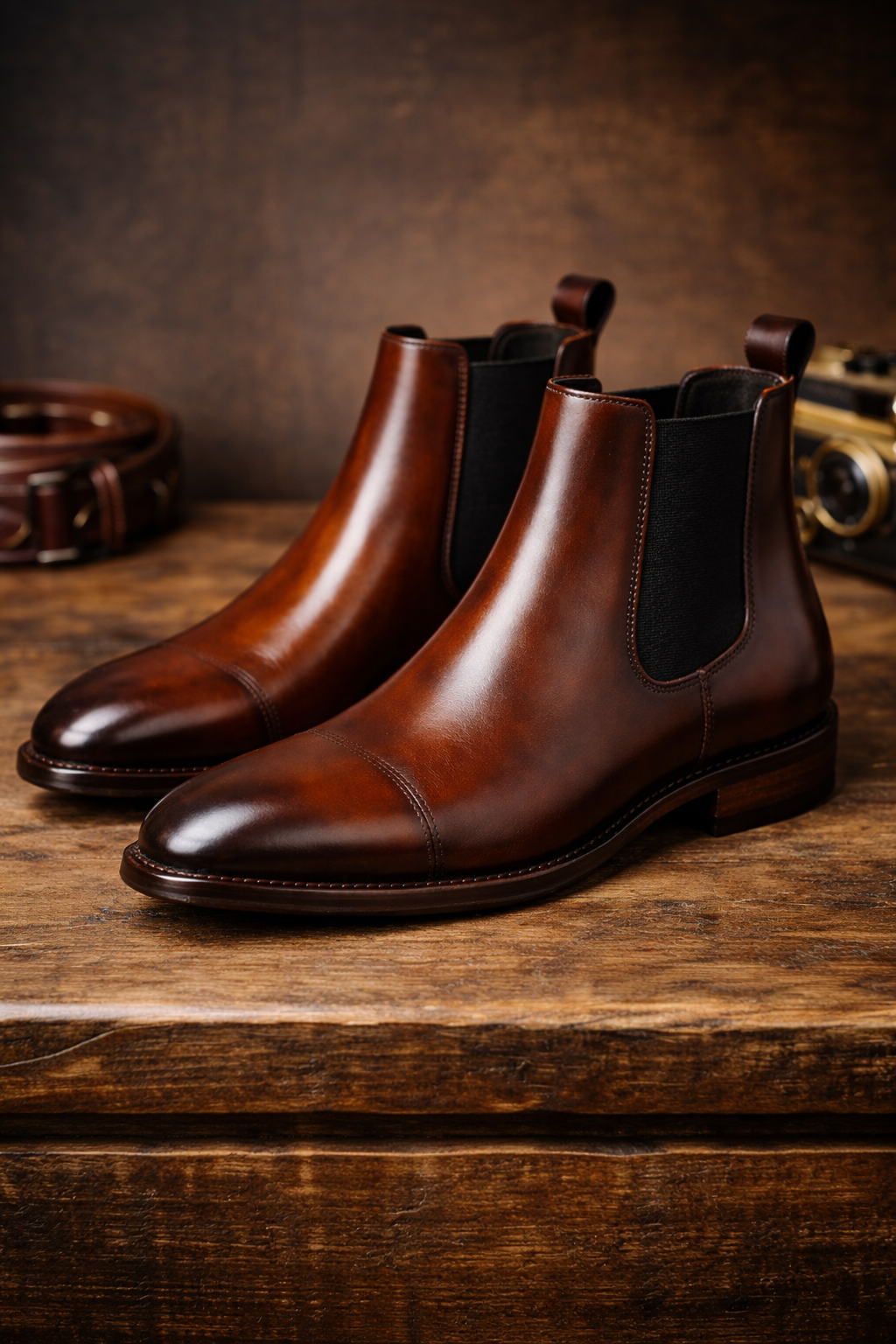
Sleek Handmade Leather Chelsea Boots for Men
The quality of handmade leather Chelsea boots is defined by careful craftsmanship and refined finishing details. Hand-stitched welts provide stronger construction and improved durability compared to machine stitching. Smoothly polished sole edges reflect skilled workmanship, while high-quality elastic gussets ensure lasting comfort and prevent early wear. Details such as sturdy pull tabs and firm heel counters help the boots maintain their shape and usability over time. These combined elements set handmade boots apart from mass-produced alternatives. Although they come at a higher price, handmade Chelsea boots offer superior materials, better construction, and long-term value, making them a worthwhile investment for quality-focused wearers.
- Hand-stitched welts indicate superior craftsmanship
- Polished sole edges show attention to detail
- Strong elastic gussets improve durability and fit
- Pull tabs and heel counters reveal build quality
- Handmade boots focus on longevity and refinement.
Style, Comfort & Timeless Design Explained
Balanced Design Philosophy
- Combines elegance and practicality without compromise
- Maintains a refined look while supporting everyday functionality
Sleek & Stylish Appearance
- Clean lines and ankle-high silhouette create a polished profile
- Visually striking without being flashy or attention-seeking
- Complements both formal and casual outfits
Everyday Comfort
- Slip-on design with elastic gussets allows easy wear
- Supports extended walking and all-day use
- Well-constructed leather adapts to the foot over time
Durability for Daily Wear
- Built to withstand regular use without losing shape
- Suitable for work, travel, and routine activities
Timeless, Minimalist Appeal
- Not trend-driven, so they never look outdated
- Works across changing fashion cycles and styles
- Ideal long-term wardrobe investment
Seasonal Versatility
- Pairs well with wool and flannel in colder months
- Transitions easily to chinos and lighter fabrics in warmer seasons
- Adaptable across multiple climates and occasion.
How to Wear Chelsea Boots (Style Guide)
Smart Casual Looks
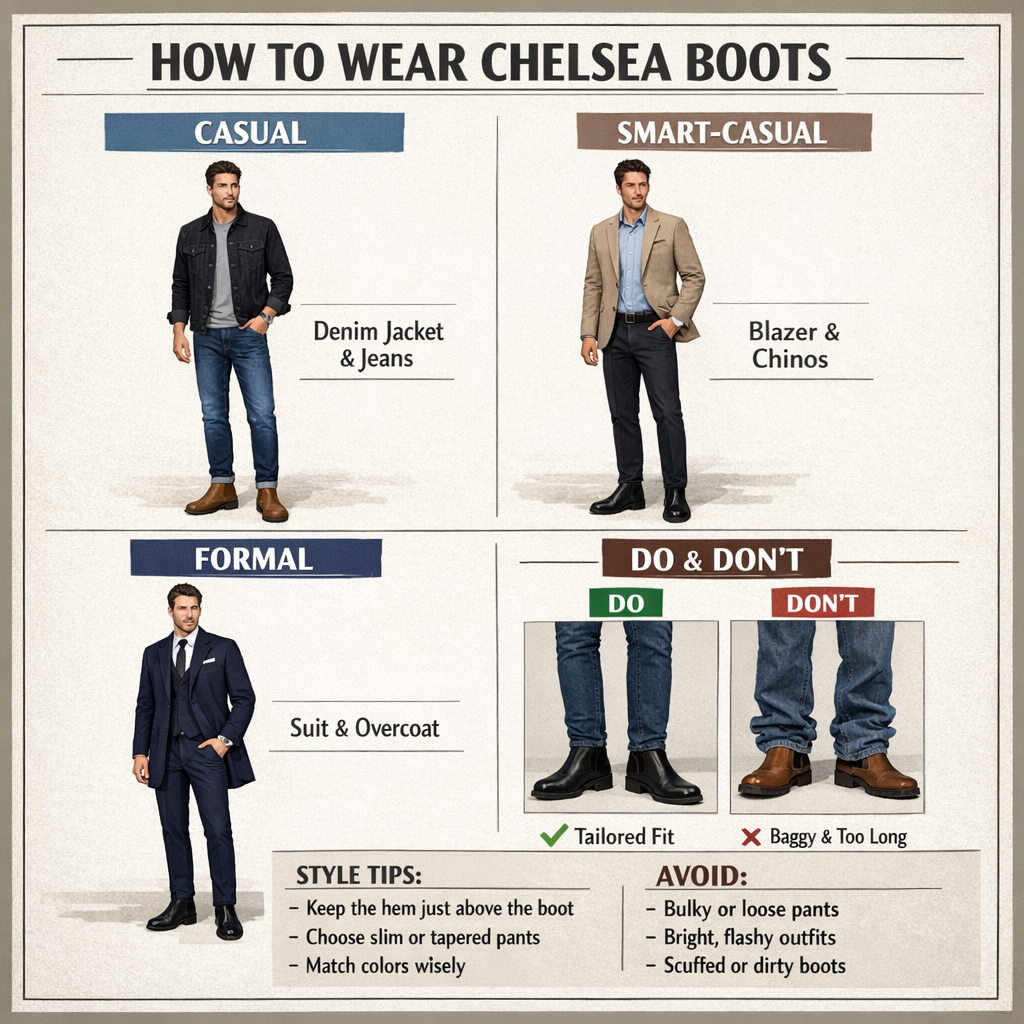
Leather Chelsea boots are ideal for smart casual dressing, striking a balance between refinement and ease. When styled with tailored chinos, a button-up shirt, and an unstructured blazer, they create a polished yet relaxed appearance suitable for social or semi-professional settings. Clean lines and proper proportions enhance the boots’ sleek silhouette, while minimal accessories keep the look effortless. Chelsea boots ground the outfit with understated elegance without appearing overly formal.
Casual Outfits
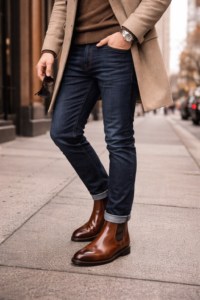
Chelsea boots easily elevate casual outfits by adding a clean, polished touch to everyday pieces. When paired with well-fitted dark jeans, a simple t-shirt or henley, and relaxed layers like a denim or bomber jacket, they create a look that’s both comfortable and stylish. Brown leather Chelsea boots work especially well for casual wear, bringing warmth and versatility, while subtle layering adds texture and makes the outfit feel effortlessly put together.
Formal Styling
Chelsea boots can be styled formally in modern settings when selected thoughtfully. Sleek black leather Chelsea boots with refined toe shapes and slim soles pair well with tailored suits, offering a polished alternative to traditional dress shoes. Proper fit and clean proportions ensure a sharp look, making them suitable for creative professional environments and elegant evening occasions without strict formal rules
Do Chelsea Boots Go Over or Under Jeans?
- Chelsea boots should always be worn under jeans
- Jeans should lightly touch the top of the boot with a slight break
- Avoid tucking jeans into the boots
- Cropped jeans give a modern, fashion-forward look
- Stacked jeans offer a classic, traditional appearance
- Do not cuff jeans unless intentionally styling them cropped
- Avoid overly distressed or light-wash jeans with dressy boots
- Choose hidden or minimal socks for a clean finish
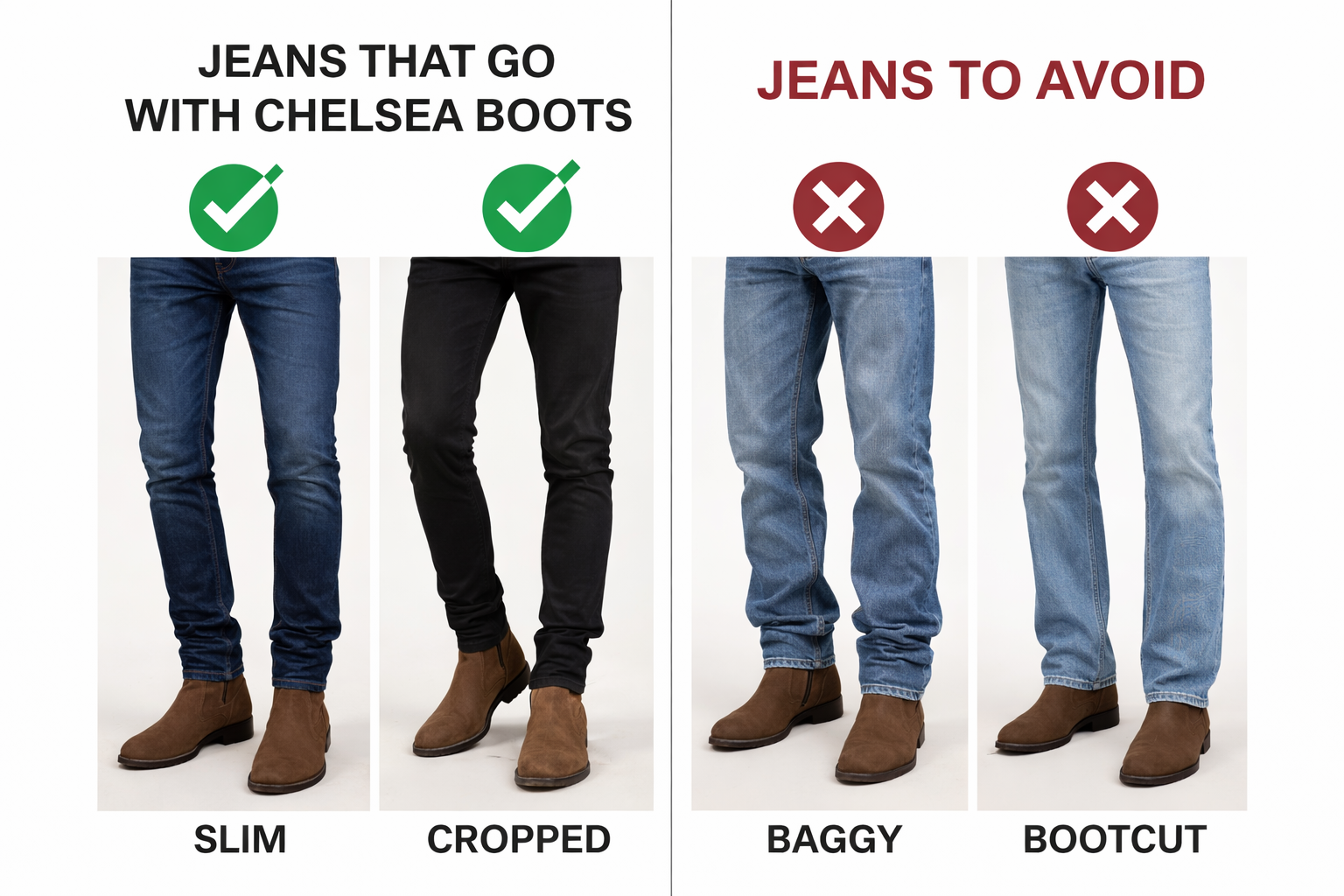
Which Jeans Go With Chelsea Boots?
Best Jean Styles
Slim Fit Jeans (Ideal Choice)
- Narrow leg opening complements the sleek shape of Chelsea boots
- Creates a clean, streamlined look from top to bottom
- Should taper naturally without feeling tight or restrictive
- Tailored appearance rather than skinny fit
- Dark indigo and black washes offer the most versatility and polish
Straight Leg Jeans (Classic Alternative)
- Consistent width from knee to hem for a relaxed yet neat silhouette
- Works well if you prefer a less fitted or more traditional style
- Especially flattering for athletic or broader builds
- Pairs best with medium to dark denim washes
Tapered Jeans (Modern & Versatile)
- Roomier through the thighs with a narrower ankle opening
- Balances comfort and structure across different body types
- Maintains a clean leg line that suits Chelsea boots
- Ideal leg opening circumference: approx. 14–16 inches
- Prevents fabric bunching while sitting neatly over the boots
Jeans to Avoid
Wide leg jeans create proportion problems with Chelsea boots. The visual weight of a wide leg opening overwhelms the boots’ refined silhouette, creating an unflattering imbalance that makes your feet look small and your legs shapeless. If you love wide-leg jeans, save them for chunkier boots or sneakers that can match their visual heft.
Excessively baggy styles suffer similar issues. Beyond simple aesthetics, baggy jeans bunch awkwardly around Chelsea boots, obscuring the clean ankle line that makes these boots appealing in the first place. Comfort doesn’t require bagginess—well-fitted jeans in quality denim move with you while maintaining flattering proportions.
How to Take Care of Your Chelsea Boots
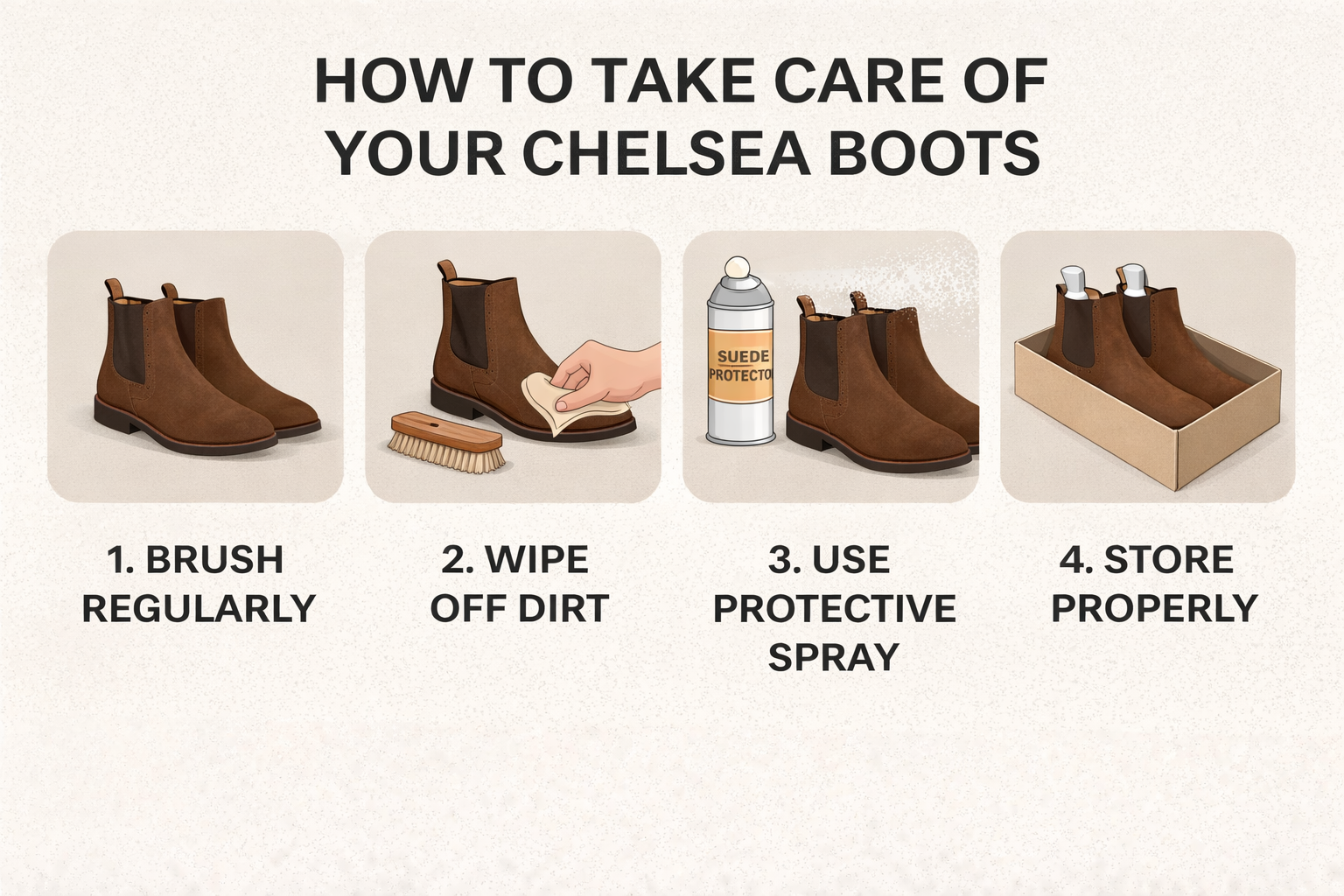
Leather Care Essentials
Daily Cleaning:
- Use a soft horsehair brush after each wear to remove surface dirt.
- Prevents dirt from settling into the leather’s grain.
Deep Cleaning (Every Few Weeks):
- Wipe with a damp cloth to remove embedded dirt.
- Apply a leather cleaner suitable for your boot’s specific leather type.
- Avoid using cleaners meant for smooth leather on suede or nubuck.
Conditioning:
- Replenishes natural oils to keep leather supple and prevent cracking.
- Apply a small amount of quality conditioner in circular motions, focusing on flex areas like the vamp.
- Let absorb overnight before buffing.
- Avoid over-conditioning to prevent leather from becoming limp or greasy.
Polishing:
- Use cream polish matching boot color to nourish leather and conceal scuffs.
- Apply in thin coats, let dry, then buff with a horsehair brush or cloth.
- Optional: use wax polish for higher shine; subtle satin finish is ideal for Chelsea boots.
storage tips
- Use cedar shoe trees to maintain shape and absorb moisture
- Store boots in a cool, dry place away from heat and sunlight
- Avoid damp areas to prevent mold and leather damage
- Clean and condition before long-term storage
- Use breathable cloth bags, not plastic.
Weather Protection
- Apply a leather-safe waterproof spray before wet-weather wear
- Reapply protection every few months or after heavy rain or snow
- Wipe off salt stains immediately with a damp cloth
- Use a water–vinegar mix for stubborn salt marks, then condition
- Let soaked boots dry naturally; avoid heat sources
Why Chelsea Boots Are a Smart Investment
Chelsea boots are a smart investment because their higher upfront cost translates into long-term value. High-quality leather and durable construction allow them to last for years with proper care, reducing the cost per wear compared to cheaper shoes that need frequent replacement. Their timeless design ensures they remain stylish across seasons and occasions, while repairable builds like Goodyear welting extend their lifespan. Overall, investing in Chelsea boots also supports sustainability by reducing waste and encouraging responsible consumption.
Final Thoughts – Why Leather Chelsea Boots Belong in Every Wardrobe
Leather Chelsea boots deserve a place in every wardrobe because they combine timeless style, durability, and everyday versatility. They can be dressed up or down, worn across seasons, and paired effortlessly with jeans, chinos, or even suits. While the initial investment may seem high, their long lifespan and consistent style make them a reliable, value-driven choice. Understanding quality materials and construction helps buyers choose wisely, ensuring greater satisfaction. A single well-chosen pair, properly cared for, delivers comfort, confidence, and practicality for years.
- Timeless design that never goes out of style
- Versatile enough for casual and formal outfits
- Durable and long-lasting with proper care
- Reduces wardrobe confusion—works with most outfits
- A smart, long-term investment in everyday style
FAQs
1.What are Chelsea boots best worn with?
Chelsea boots look great with jeans, chinos, trousers, and even suits. They work for both casual and smart outfits.
2. Can I wear Chelsea boots casually?
Yes, absolutely. Pair them with slim or straight-fit jeans, a T-shirt, and a jacket for a clean casual look.
3. Are Chelsea boots suitable for formal wear?
Yes. Leather Chelsea boots in black or dark brown go well with suits and formal trousers.
4. Should pants be tucked into Chelsea boots?
No, pants should fall just over the top of the boots. Avoid stacking or tucking for a polished look.
5. Can Chelsea boots be worn in summer?
Yes, choose lightweight leather or suede Chelsea boots and pair them with chinos or cropped pants.
6. What socks should I wear with Chelsea boots?
Plain or dark socks work best. For a stylish touch, you can try subtle patterned socks.
7. Are Chelsea boots good for everyday wear?
Yes, they are comfortable, stylish, and easy to slip on, making them perfect for daily use.
8. How should Chelsea boots fit?
They should fit snug around the ankle but not feel tight. There should be no heel slipping.