


Evolution of Fashion: Timeline from Ancient to Modern


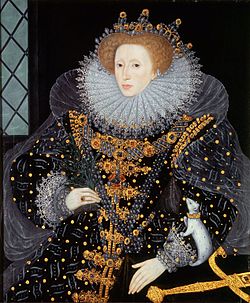
The evolution of fashion explains how clothing changed from simple protection into identity, status, expression, and responsibility. Over thousands of years, garments adapted to climate, culture, technology, and beliefs. Understanding the history of fashion helps us see why modern trends look the way they do and why styles often repeat.
This guide breaks down fashion history into clear stages so you can follow how clothing styles transformed from animal skins to sustainable fabrics.
Fashion timeline in the evolution of fashion
| Era | Clothing Style | Purpose | Materials |
|---|---|---|---|
| Prehistoric | Skin wraps | Protection | Fur, leaves |
| Ancient | Draped garments | Identity | Linen, silk |
| Medieval | Layered clothing | Status | Wool, leather |
| Renaissance | Decorative dress | Wealth | Velvet, brocade |
| Industrial | Ready-to-wear | Accessibility | Cotton |
| 20th Century | Trend cycles | Expression | Mixed fabrics |
| Digital Age | Fast production | Speed | Synthetics |
| Modern Era | Sustainable design | Responsibility | Recycled textiles |
Therefore, the evolution of fashion mirrors human development across time.
Ancient clothing in the evolution of fashion
In early human history, clothing served one purpose: survival. People used animal skins, fur, and plant fibers to protect themselves from harsh climates. However, as societies formed, clothing started carrying meaning.
In Ancient Egypt, people wore light linen garments because of the hot weather. These garments also symbolized purity and social position. In Ancient Rome, togas and tunics reflected citizenship and rank. Meanwhile, Ancient China developed silk, which quickly became a luxury material associated with wealth.
According to the fashion archive of the Metropolitan Museum of Art , clothing in these civilizations already worked as a visual language. As a result, fashion moved beyond protection and into communication.
Medieval and Renaissance dress in fashion history


4
During the Middle Ages, clothing became layered, heavier, and more structured. Wool and leather were common, and garments were handmade. Importantly, strict clothing laws called sumptuary laws controlled what people could wear based on class.
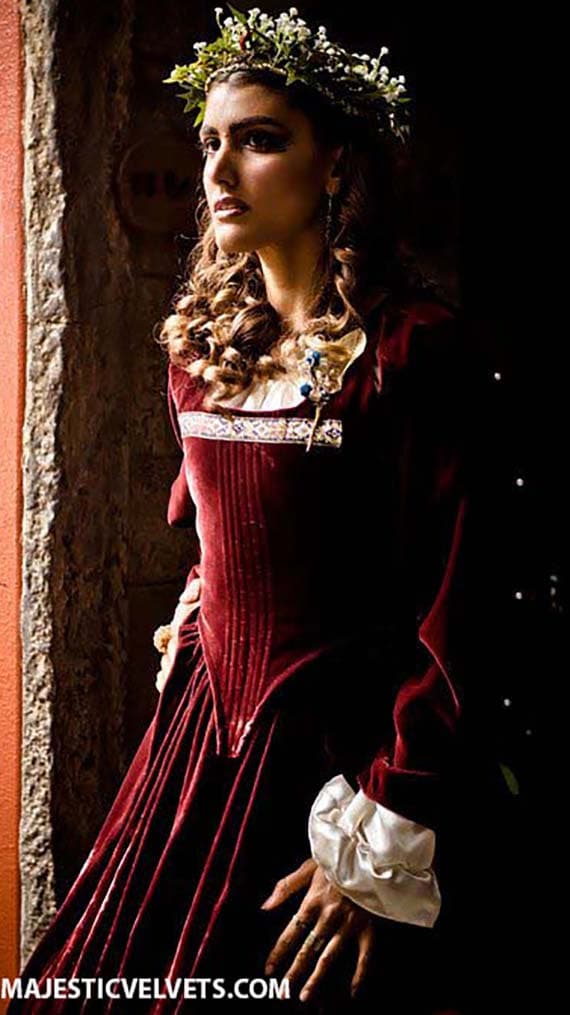
The Renaissance brought a dramatic shift. Clothing became decorative and artistic. Velvet, brocade, silk, pearls, and embroidery defined this era. Tailoring improved, and garments were designed to display wealth and power.
Fabric, craft, and clothing rules
- Detailed hand embroidery
- Expensive fabrics for the upper class
- Restrictions on dressing styles
- Tailoring as a respected skill
Consequently, fashion clearly separated social groups.
Industrial-era changes in the evolution of fashion
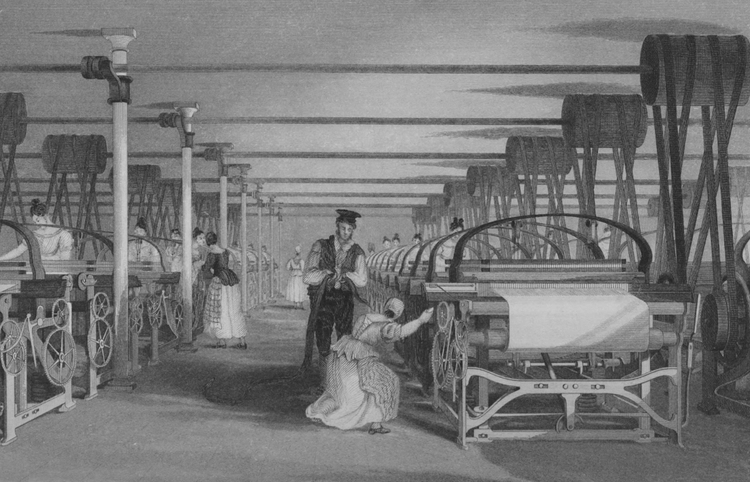


The Industrial Revolution changed clothing forever. Sewing machines, textile mills, and factory production made garments faster and cheaper to produce.
| Before | After |
|---|---|
| Handmade clothing | Machine production |
| Custom fit | Standard sizes |
| Slow process | Fast manufacturing |
As noted by Encyclopædia Britannica (https://www.britannica.com/art/fashion-industry), this period marks the beginning of the modern apparel system. Department stores emerged, ready-to-wear clothing became popular, and fashion became accessible to the general population.
20th-century styles and the evolution of fashion


5
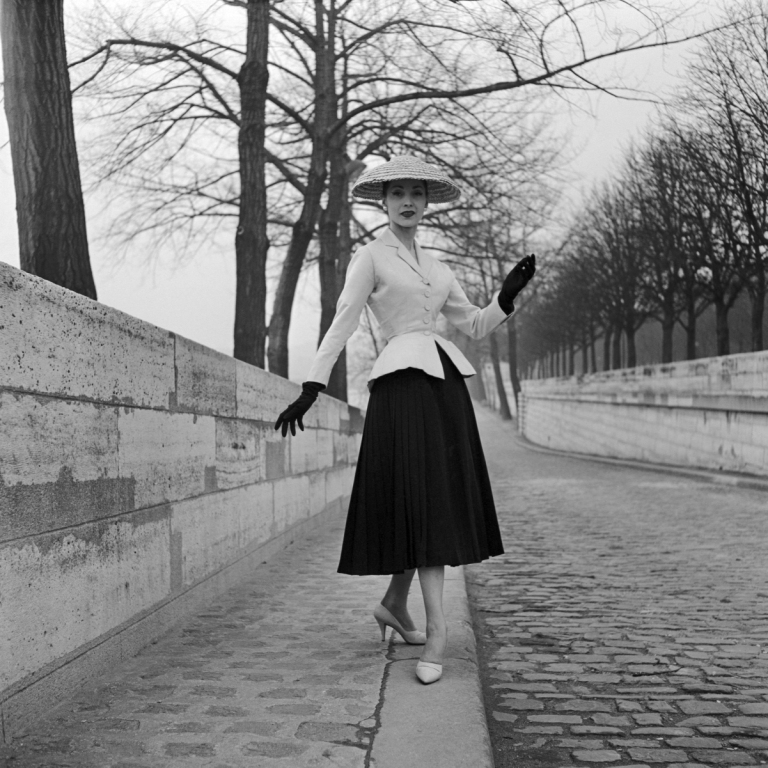
The 20th century turned fashion into self-expression. Social changes, wars, and youth culture heavily influenced clothing.
| Decade | Trend | Meaning |
|---|---|---|
| 1920s | Flapper | Freedom and modernity |
| 1950s | Structured silhouettes | Elegance and recovery |
| 1960s | Youth culture | Rebellion |
| 1980s | Power dressing | Authority |
| 1990s | Grunge | Individuality |
Fashion now reflected emotions, politics, and personal identity.
Digital trends and fast production in modern clothing
The internet, social media, and online shopping changed how trends spread. Styles that once took years to travel now move globally in days. This gave rise to fast fashion, where brands quickly copy runway designs at low cost.
However, this speed created environmental challenges. Research from the United Nations Environment Programme highlights how clothing production affects the planet:
Sustainable design and smart textiles in today’s fashion in Evolution of Fashion


4
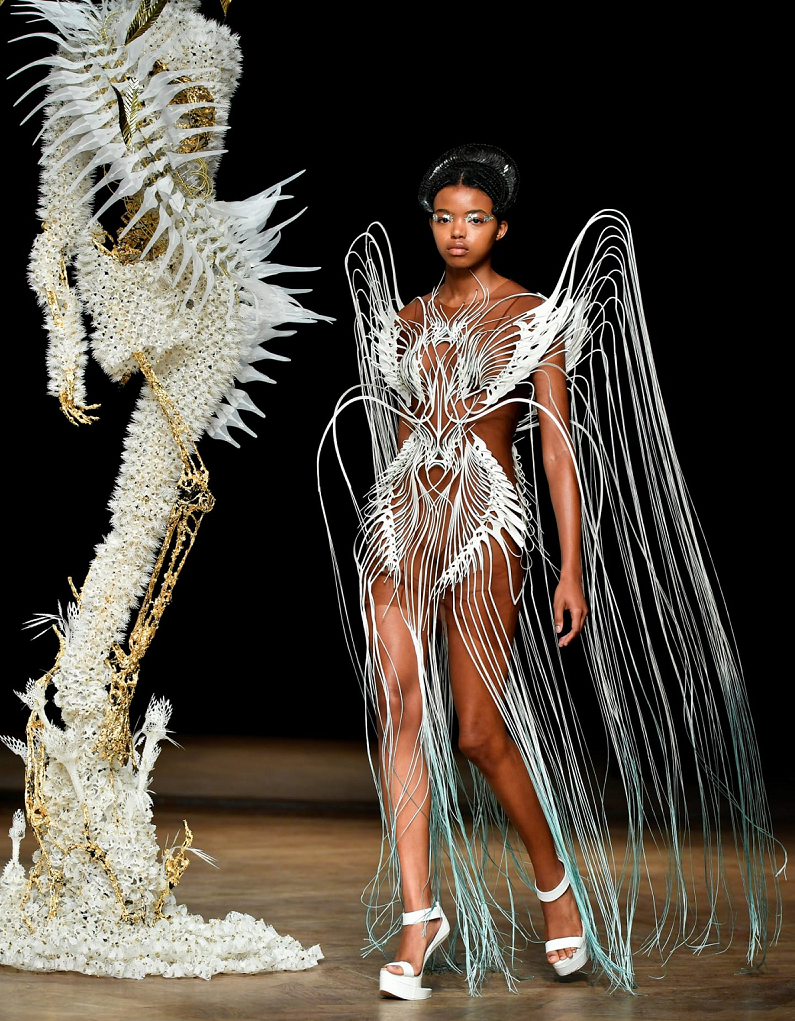
Today, the focus is shifting from speed to responsibility.
| Focus | Description |
|---|---|
| Sustainable materials | Organic and recycled fabrics |
| Slow production | Long-lasting garments |
| Upcycling | Creative reuse |
| Smart textiles | Tech-enabled clothing |
This stage represents the future direction of the evolution of fashion.
Factors that shaped clothing trends over time
Several forces shaped clothing styles across history:
- Climate and geography
- Cultural beliefs and traditions
- Technological inventions
- Wars and economic conditions
- Youth movements and social change
Explore related reads:
https://www.harpersbazaar.com/
https://www.fibre2fashion.com/
FAQs
When did fashion begin?
Fashion began in prehistoric times when early humans used animal skins, fur, and plant fibers for protection against weather. Over time, clothing gained cultural meaning. As societies formed, garments started showing identity, role, and status, marking the true beginning of the evolution of fashion beyond basic survival needs.
How did clothing change over centuries?
Clothing changed from protective wraps to symbolic garments, then to decorative outfits showing wealth and class. During industrialization, garments became affordable and widely available. In the 20th century, fashion expressed personality. Today, clothing focuses on sustainability, innovation, and responsible production methods worldwide.
What influences trends the most?
Fashion trends are shaped by culture, climate, technology, wars, economy, and youth movements. Social media now spreads trends instantly across countries. Designers also revisit past styles for inspiration, which is why many modern outfits resemble historical clothing patterns with updated fabrics and silhouettes.
What is the future of fashion?
The future of fashion lies in sustainable materials, slow production, ethical labor, and smart textiles. Brands are focusing on recycled fabrics, eco-friendly dyes, and technology-enabled garments. Consumers are becoming more conscious, which is pushing the industry toward responsibility, transparency, and long-lasting clothing.
Conclusion
The evolution of fashion reflects how humans adapted clothing to their environment, culture, and values. From animal skins to smart fabrics, fashion continues to change with society while carrying the story of the past into the future.