

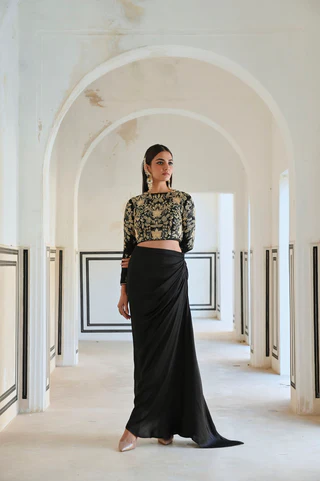

Your Complete Style Guide for Indo-Western Dresses
Everything you need to wear this fusion beautifully — from your first Indo-Western Dresses to nailing the perfect wedding look.
Let’s be honest — standing in front of your wardrobe before a family function, a dinner date, or even just a friend’s birthday can feel overwhelming. Do you wear the saree? The western dress? The kurta? What if there was a style that confidently answered all of the above, all at once?
That’s exactly what Indo-Western Dresses do. They sit right at the intersection of two beautiful worlds, and once you understand how they work, they become the most versatile pieces you’ll ever own. Whether you’re a complete newcomer to this style or you’ve been dabbling for a while but can’t quite crack the formula — this guide is for you.
Let’s start from the very beginning.
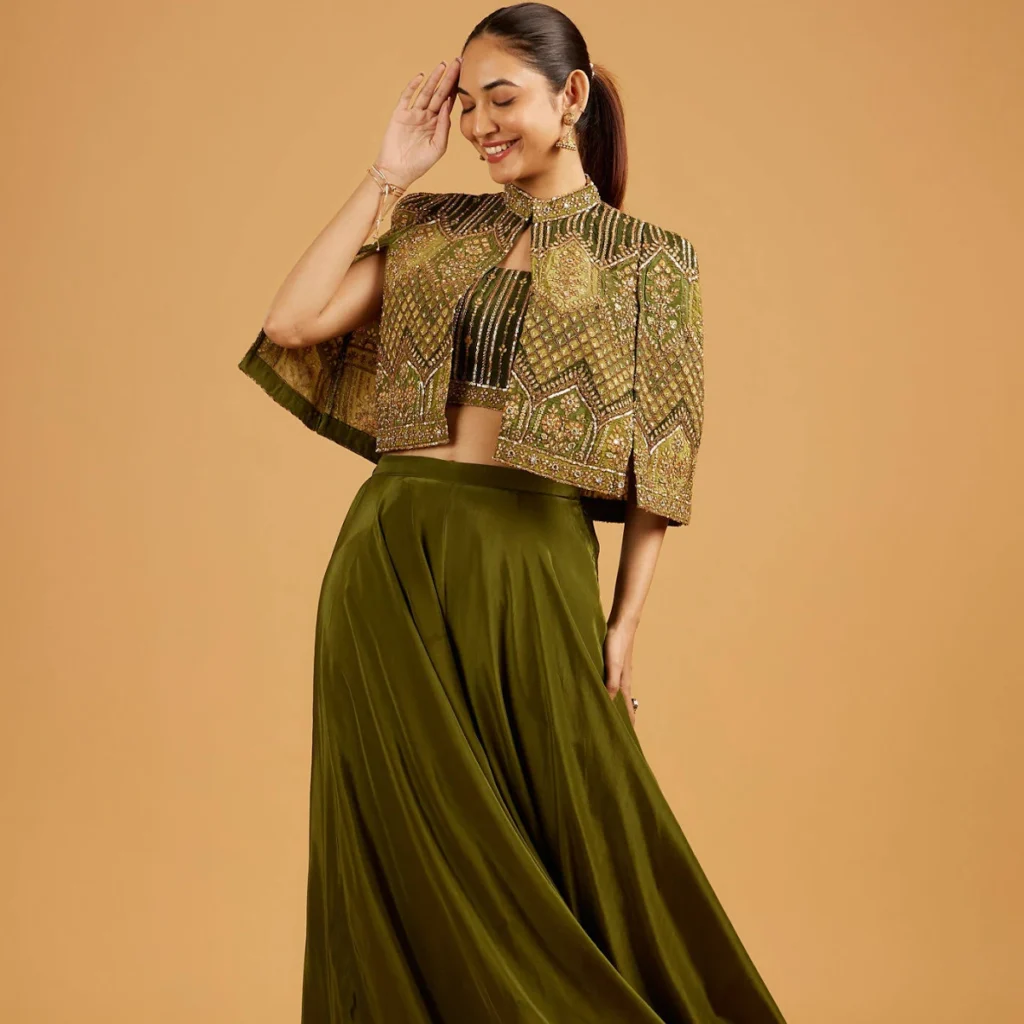
What Are Indo-Western Dresses?
Indo-western dresses are exactly what they sound like: garments that blend Indian design elements with Western silhouettes. Think of it as two fashion traditions having a really elegant conversation. The result is clothing that feels both familiar and fresh — rooted in culture, but made for the modern world.
On the Indian side, you’ll find fabrics like chanderi, georgette, silk, and cotton, often printed with techniques like block printing, bandhani (tie-dye), Kalamkari, or adorned with embroidery. On the Western side, you’ll find silhouettes — the A-line, the fit-and-flare, the maxi, the cape dress, the shift.
“Indo-western isn’t a compromise. It’s what happens when Indian craft meets contemporary design — and the result is often more striking than either on its own.”
Some common examples you’ll recognise: a long anarkali dress with a Western-style neckline, a fit-and-flare dress in bandhani fabric, a cape-sleeve midi in chanderi, or a pre-draped gown that looks like a saree but requires zero pinning or pleating. Each of these is an indo-western dress.
Why has indo-western become so popular?
A few reasons. One, they’re genuinely easy to wear. You don’t need to know how to drape a saree or coordinate a lehenga set — the garment does everything for you. Two, they work across occasions in a way that few categories do. Three, Indian textile craftsmanship is having a serious global moment right now, and indo-western styles are carrying that craftsmanship into everyday fashion.
But perhaps most importantly: they let you express your identity without having to choose a side. And for a lot of people, that’s deeply meaningful.
If you’re new to indo-western, start with a simple A-line or asymmetric kurta-dress in a block print cotton. It’s the most forgiving silhouette, works on most body types, and can be dressed up or down with footwear alone.
Best Indo-Western Dress Styles for Different Occasions
One of the biggest things people get wrong with indo-western dressing is treating all pieces as interchangeable. They’re not — and understanding which style suits which occasion is what separates a put-together look from a confusing one. Here’s how to think about it.
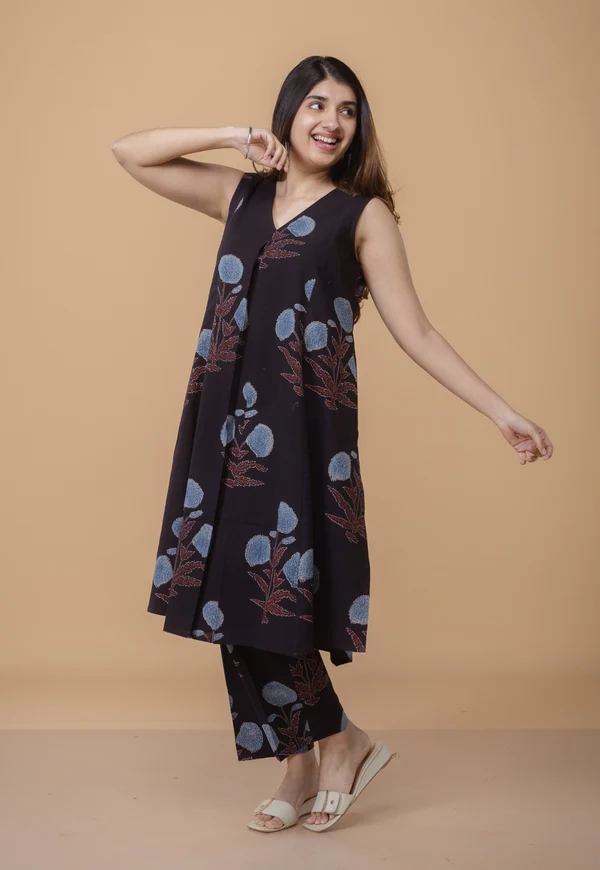
Casual Days — Brunches, Outings, Errands
Go for an asymmetric kurta-dress or a fit-and-flare in cotton or linen, ideally with a block print or ajrakh pattern. These fabrics breathe, they’re easy to move in, and they look effortlessly put-together without trying too hard.
Style tip: White sneakers or kolhapuri flats, minimal gold studs. Leave the dupatta at home — this look is about ease.
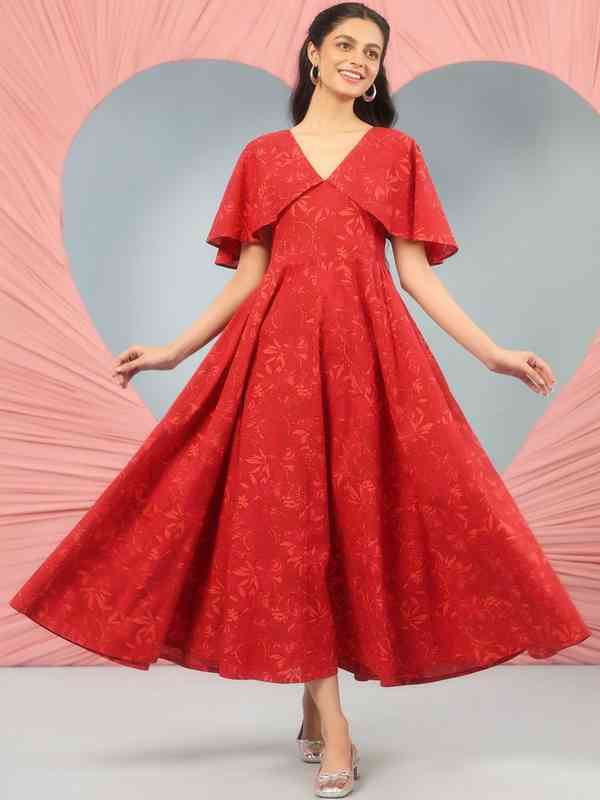
Work & Professional Settings
A cape-sleeve A-line dress in solid chanderi or a subtle self-print is your best bet. It looks tailored and confident without reading as festive. Stick to muted tones — dusty rose, sage, off-white, navy — rather than jewel colours for daytime office wear.
Style tip: Pointed kitten heels, small stud earrings, a structured tote. Keep it crisp.
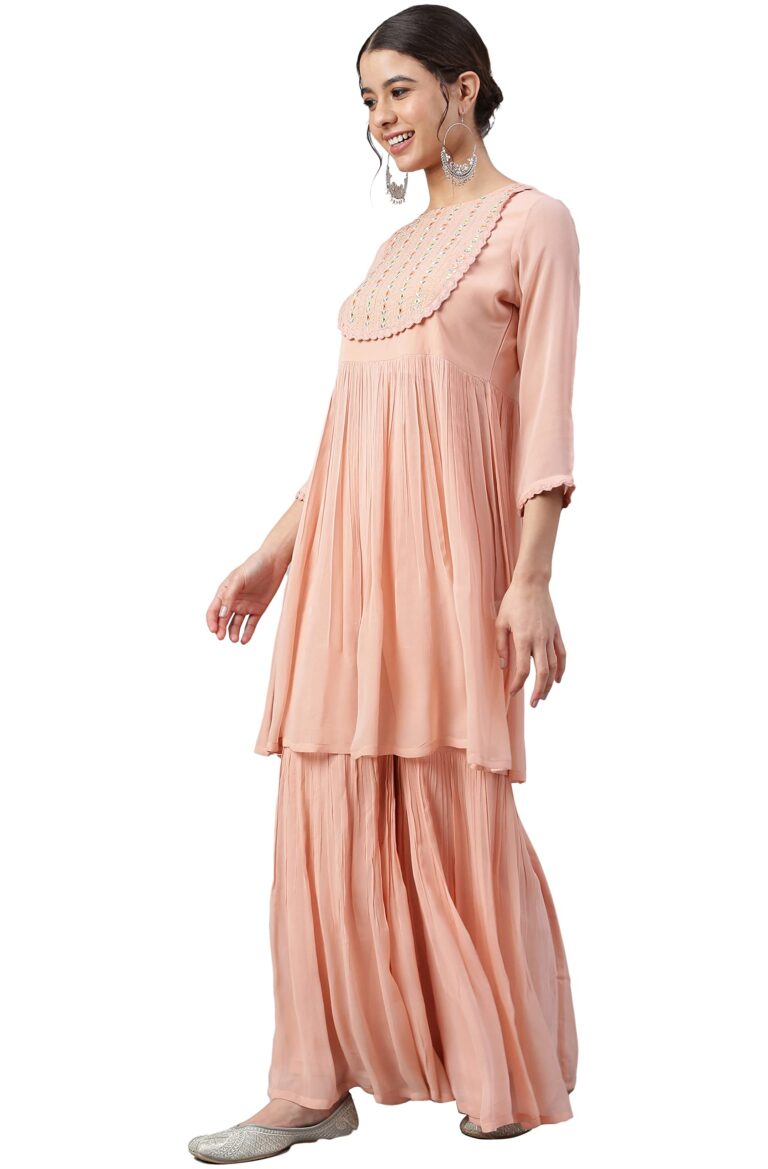
Evening Out — Dinners, Cocktail Events, Date Nights
This is where pre-draped dresses, fit-and-flare in silk or georgette, or a sharara-cut midi really shine. You want drama and polish, but not the full formality of a lehenga. Think deep jewel tones, soft embellishments, and fluid fabrics that move beautifully.
Style tip: Embellished block-heeled mules, chandelier earrings, a potli clutch. Pick either statement earrings or a necklace — not both.
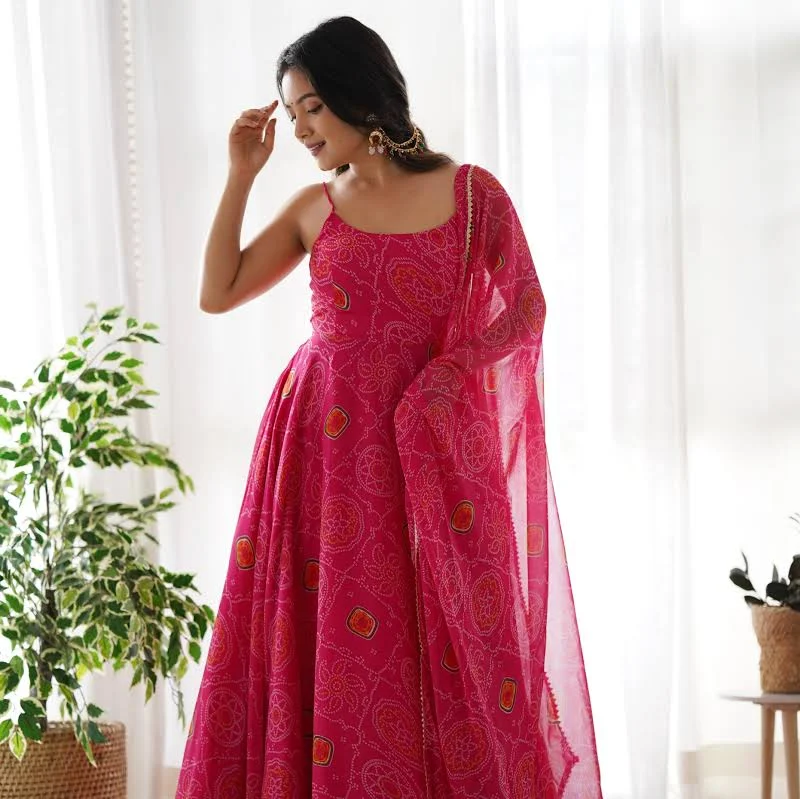
Festivals & Pujas
You want colour and traditional textiles, but comfort matters because you’ll be sitting on the floor, walking between rooms, and eating a lot. A bright bandhani or ikat fit-and-flare, or a flowy anarkali-inspired midi, hits the right note perfectly.
Style tip: Go for jhumkas and glass bangles. Kolhapuri flats or embellished flats keep you comfortable for long events.
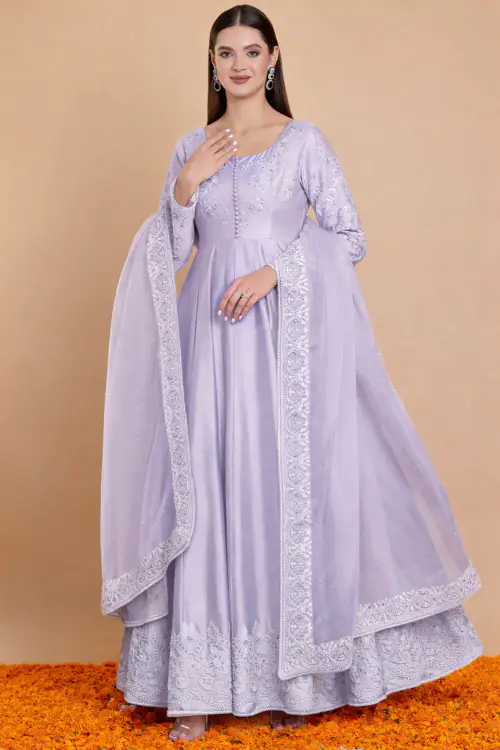
Wedding Functions — Mehendi, Sangeet, Cocktail Night
This is the moment for your most embellished pieces. Anarkali fusion dresses, sharara-cut gowns, or heavily embroidered cape dresses in silk or net are perfectly calibrated for this territory. They’re festive enough to look like you dressed up, but distinct enough to stand apart from the traditional lehenga crowd.
Style tip: A dupatta is welcome here. Drape it loosely over one shoulder rather than pinning it, and pair with embellished heels and a full jewellery set.
The golden rule: match the fabric weight to the occasion formality. Cotton and linen = casual. Chanderi and georgette = semi-formal. Silk, net, and embroidered fabrics = formal and festive. If you remember nothing else from this section, remember this.
How to Accessorize Indo-Western Dresses Like a Pro
Accessories can make or break an indo-western look. The good news: the rules are actually pretty simple once you understand the logic behind them. It comes down to one core principle — let one element lead. Either the dress is the star, or the accessories are. Not both.
Jewellery
Jhumkas, chandbalis, and statement studs are your best friends here. They honour the Indian aesthetic without overdoing it. For casual daywear, a single pair of gold hoops or simple studs is all you need. For evening and festive looks, move up to chandelier earrings or chandbalis — they’re dramatic but contained.
The trickiest mistake is layering too many pieces. If your dress has embellishment at the neckline — embroidery, mirror work, heavy print — do not add a necklace. The neckline already has a focal point. Save the necklace for dresses with plain or minimal necklines.
Statement Earrings
Jhumkas for festive, chandbalis for evening, gold hoops for casual. Your most reliable indo-western accessory category.
Pick earrings first, then build the rest of the look around them.
Potli Bags
The most culturally coherent bag choice for indo-western dressing. Embroidered, brocade, or beaded styles work beautifully for evening and festive occasions.
Match the potli fabric tone to an accent colour in the dress print.
The dupatta question
Does every indo-western dress need a dupatta? No — and forcing one onto a look that doesn’t call for it is one of the most common styling errors. The dupatta belongs on festive and wedding occasion looks, where it adds a graceful layer of formality. For daily, office, or casual wear, the dress is designed to stand alone. Trust it.
When you do use a dupatta, drape it loosely over one shoulder without pinning. This maintains the relaxed, modern feel that separates an indo-western look from a traditional one.
Trending Indo-Western Fashion Ideas in 2026
Indo-western fashion is evolving faster than ever right now. Here’s what’s genuinely getting attention in 2026 — not just on the runways, but in real closets and at real events.
Linen & Handwoven Cotton Everything
Sustainable, artisanal fabrics are dominating 2026 indo-western fashion. Handloom cotton, khadi, and linen in earthy tones — terracotta, sand, moss, indigo — are replacing synthetic fabrics across casual and semi-formal styles. The worn-in, artisanal texture of these fabrics makes even simple silhouettes feel intentional and expensive.
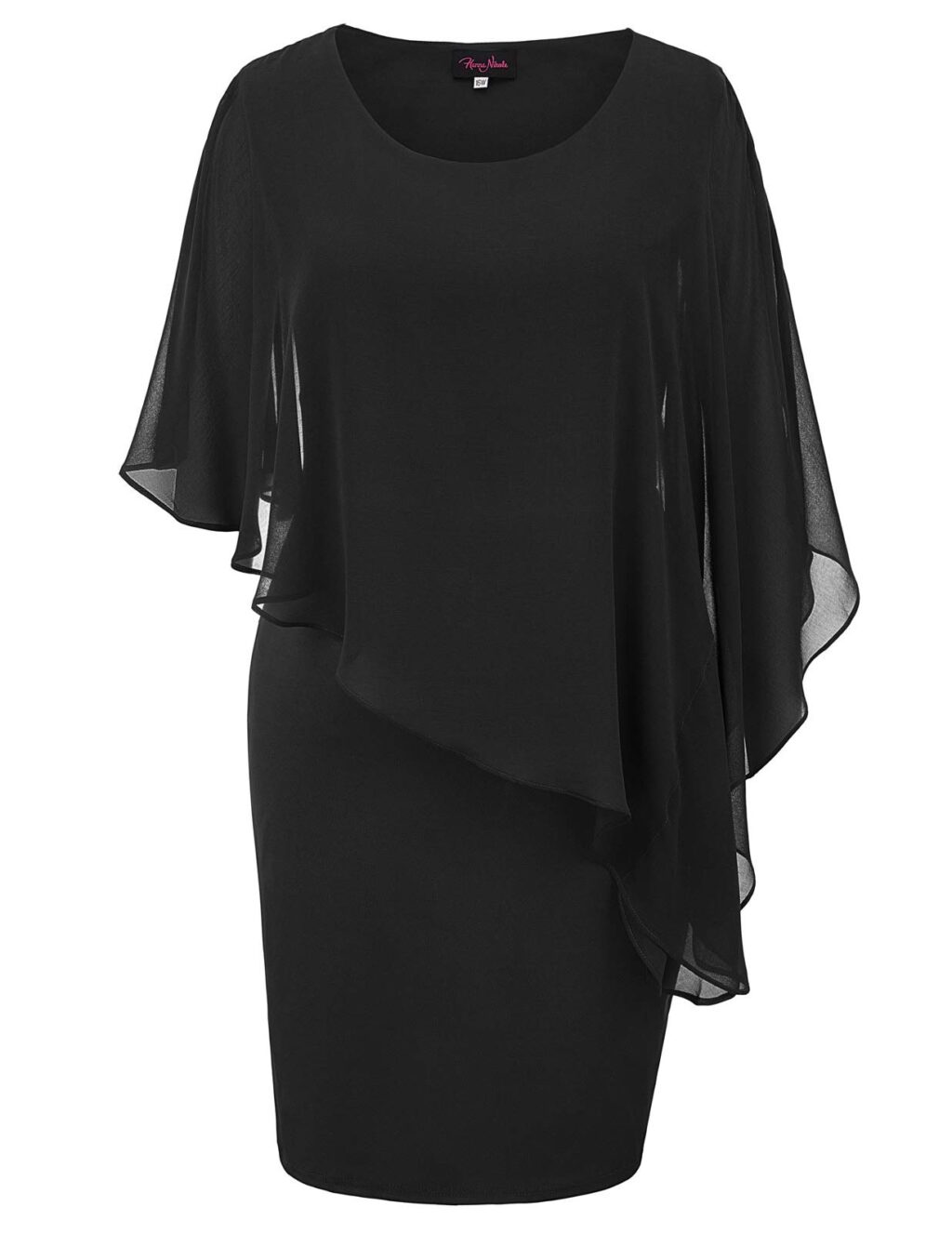
Cape Dresses with Contrast Fabric Overlays
Cape-overlay dresses where the underlayer and the cape are in contrasting but complementary fabrics and colours are everywhere this year. Think a plain silk slip dress with a semi-sheer georgette cape in a complementary print, or a cotton dress with a chanderi overlay. It’s effortlessly dramatic without being fussy.
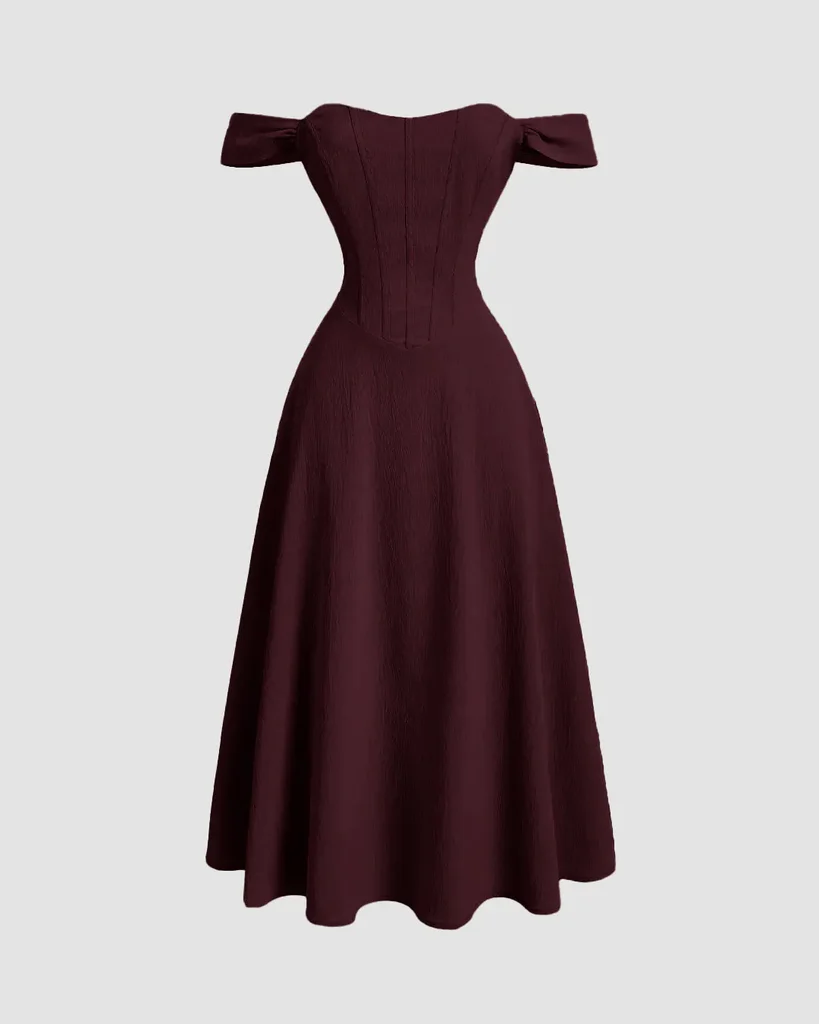
Midi-Length Everything
The midi length — hitting between the knee and the ankle — has become the default length for indo-western dressing in 2026. It sits in a sweet spot that works for most body types, doesn’t restrict movement, and hits the right formality level for most occasions without landing in either full-casual or full-formal territory.
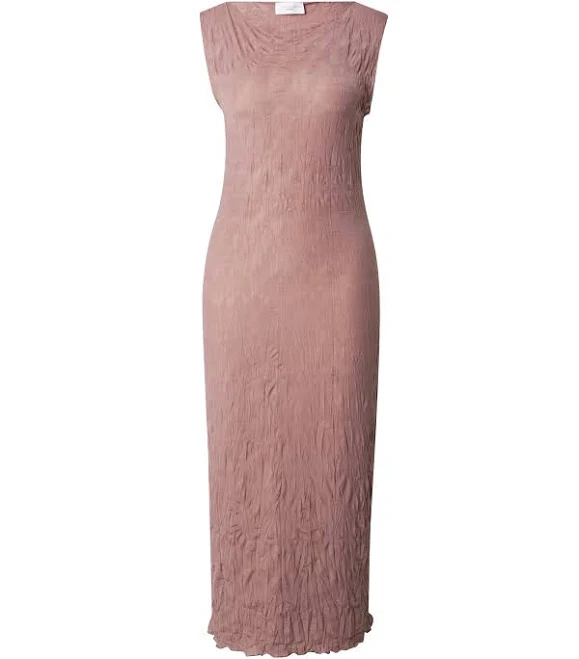
Monochromatic Tonal Dressing
The all-one-colour outfit — dressing top-to-toe in variations of a single shade — has translated beautifully into the indo-western space this year. An all-terracotta look in a printed dress with matching shoes and bag reads as sophisticated and fashion-forward while staying true to traditional colour sensibilities.
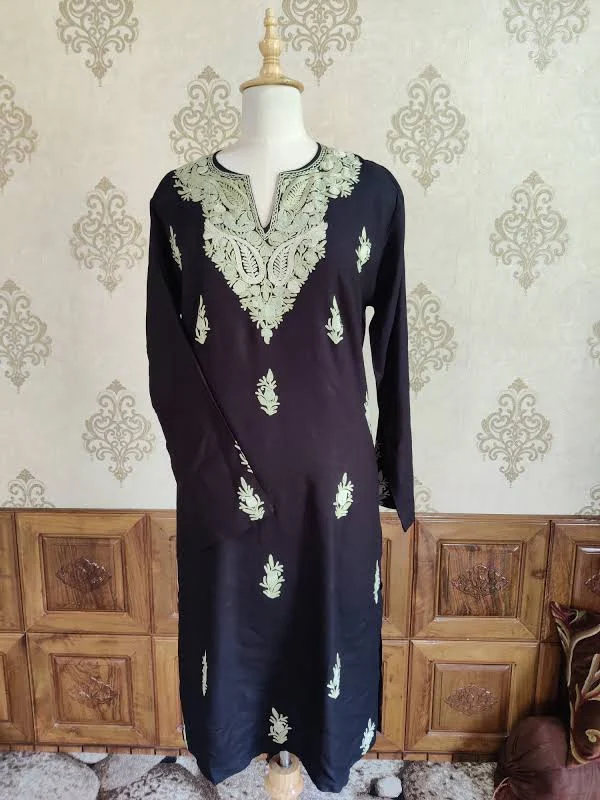
Minimal Embroidery on Contemporary Cuts
The maximalist heavy-embroidery moment is giving way to something more restrained — a single embroidered border, a small mirror-work chest panel, or a subtle zardozi detail on an otherwise clean silhouette. This approach lets the craft speak without overwhelming the garment’s contemporary structure.
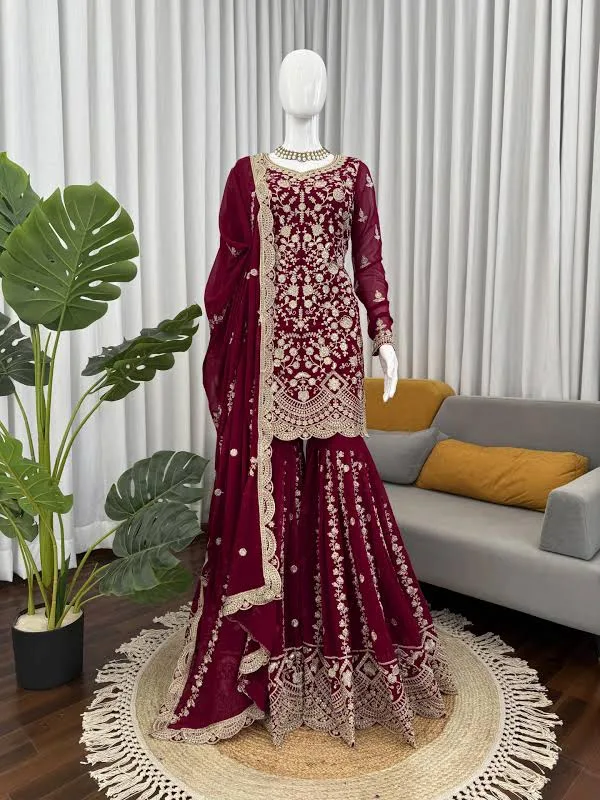
Sharara-Cut Dresses as Standalone Pieces
The sharara silhouette — wide flare from the knee — has broken out of the two-piece set and into the single-garment dress format. These dresses create instant drama without requiring any coordination effort, and they’re hitting cocktail nights and sangeet events particularly hard this season.
When looking for new pieces, prioritise brands that work directly with artisan weavers and block-print makers. The quality difference is immediately visible, and you’re investing in something that lasts — both in construction and in style.
Common Styling Mistakes to Avoid with Indo-Western Dresses
No shade to anyone — we’ve all been there. But a few very specific, very fixable mistakes show up again and again when people are building their indo-western wardrobe. Here they are, honestly, with the fix for each.
Over-accessorising to “complete” the look
It’s tempting to add every Indian jewellery piece you own when wearing an indo-western dress — as if more equals more traditional or more complete. It doesn’t. A heavily printed or embellished dress does not need a full jewellery set. It needs one anchor piece and breathing room.
The fix: choose one jewellery focal point — ears or neck — and keep everything else minimal.
Mismatching formality levels
Wearing a heavily embroidered festive dress to a casual dinner, or showing up to a sangeet in a breezy cotton kurta-dress. Both happen, and both look like you weren’t quite sure what you were going to. The fabric and embellishment level of your dress should match the occasion.
The fix: before you get dressed, ask “what fabric weight makes sense for today?” That answer shapes everything else.
Buying before fitting properly
Indo-western dresses — especially anarkali and cape styles — can look completely different on the hanger than on the body. The fit at the bust and shoulder determines everything. Many people buy based on how it looks flat and then wonder why it doesn’t quite work on them.
The fix: always try before you buy, or order multiple sizes if shopping online. A good tailor can transform a mediocre fit into a perfect one.
Ignoring what’s underneath
Thin georgette and chiffon indo-western dresses are unforgiving of the wrong undergarments. Visible bra straps, visible lines, or the wrong bra silhouette under a fitted bodice will undermine even the most beautiful dress.
The fix: invest in a good nude seamless bra and a short slip for sheer fabrics. It’s a small thing that makes an enormous difference.
Forcing a dupatta onto a casual look
Not every indo-western dress needs a dupatta. Draping one over a casual cotton day dress doesn’t make the look more “Indian” — it just makes it look confused. The dupatta has its place, and that place is festive and wedding occasion dressing.
The fix: trust the dress to do its own work. If a dupatta feels necessary, the occasion probably calls for a more traditional outfit altogether.
Ignoring fabric and season
Wearing a heavy silk or net embroidered dress in peak Rajasthan summer, or a breezy cotton A-line to a December winter wedding — both are deeply uncomfortable experiences you can easily avoid.
The fix: cotton, linen, and light rayon for warm weather. Chanderi, georgette, silk, and heavier fabrics for cooler months and air-conditioned evening events.
Frequently Asked Questions
Everything Else You Wanted to Know
Quick, honest answers to the questions that come up most often.
QWhat exactly makes a dress “indo-western”?
An indo-western dress combines Indian textile traditions — handloom fabrics, traditional prints, embroidery — with Western garment construction and silhouettes like A-line, fit-and-flare, or maxi. The key is that it’s built as a single piece using Western pattern-making techniques, but the fabrics and motifs come from Indian craft traditions. If you’d have to drape or pin it, it’s probably not indo-western — it’s traditional.
QCan I wear an indo-western dress to an Indian wedding?
Absolutely — but choose the right type. For wedding functions like mehendi, sangeet, or cocktail nights, go for embroidered or embellished pieces in silk, net, or georgette. Anarkali fusion dresses and sharara-cut midis are particularly well-suited. Avoid casual cotton or simple printed styles, which will look underdressed next to traditional lehengas and sarees. Match the weight and elaborateness of the occasion.
QHow do I choose the right silhouette for my body type?
A-line and fit-and-flare silhouettes work on almost every body type because they define the waist and flare from it. Cape-sleeve styles add volume to the upper body, making them great for pear shapes. Asymmetric hems create vertical length for petite frames. Anarkali-cut dresses are particularly flattering for hourglass and pear shapes. When in doubt, a midi-length dress with a defined waist is the most universally flattering starting point.
QWhat footwear works best with indo-western dresses?
It depends entirely on the occasion. For casual daywear, kolhapuri flats or white sneakers work brilliantly with printed cotton dresses. For semi-formal settings, block heels or wedge sandals give you elegance without sacrificing comfort. For festive events, embellished kitten heels or strappy flat sandals are the sweet spot. Avoid very high stilettos with heavily draped or embellished hems — the proportions fight each other.
QDo I need to wear a dupatta with an indo-western dress?
No — and you shouldn’t force one if the look doesn’t call for it. Indo-western dresses are designed as complete garments. A dupatta makes sense for festive and wedding occasion dressing, where it adds a touch of formality and tradition. For everyday, office, or casual wear, skip it entirely. If you do add one, drape it loosely over one shoulder without pinning — that’s what keeps the look modern rather than traditional.
QHow should I style jewellery with these dresses?
The core rule: one focal point. If the dress neckline is embellished, put your jewellery energy into your ears — a pair of jhumkas or chandbalis is plenty. If the neckline is simple, a statement necklace with minimal earrings works beautifully. For casual dresses, just a pair of gold hoops or small studs. Avoid stacking necklaces, earrings, maang tikka, and bangles all at once — it competes with the dress rather than complementing it.
QAre indo-western dresses appropriate for office wear?
Yes — with the right choices. Cape-sleeve A-line dresses in solid or subtly printed chanderi or linen are professional, polished, and perfectly office-appropriate. Stick to muted tones like dusty rose, sage, or navy rather than jewel brights for a corporate setting. Keep accessories minimal — small studs and a structured tote. Avoid anything with heavy embroidery or embellishment, which reads as festive rather than professional.
QWhat fabrics are best for summer and warm weather?
Cotton, linen, light rayon, and chambray are your friends in warm weather — they breathe, they’re comfortable, and they take block prints and natural dyes beautifully. Chanderi — a lightweight silk-cotton blend — works well for slightly more formal summer occasions. Avoid heavy silk, net, or thickly embroidered pieces in peak summer heat. Georgette is borderline: fine for air-conditioned evening events, uncomfortable in outdoor daytime heat