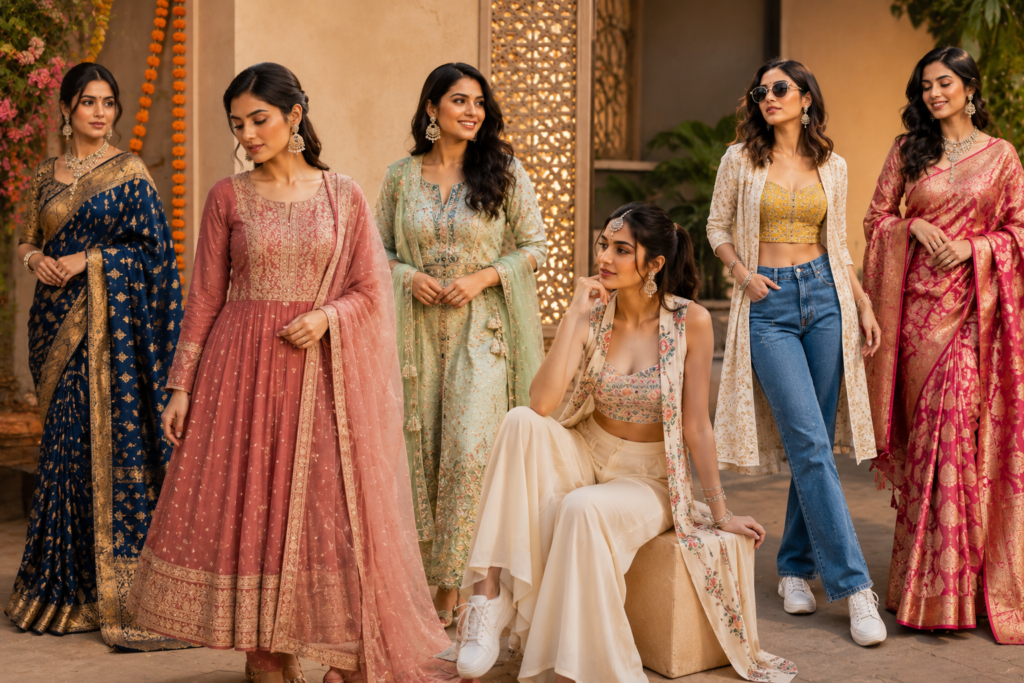
Ethnic wear has a pull that’s hard to explain. You can walk into a room in the most expensive Western outfit, and nobody blinks. But a well-draped saree or a fitted anarkali? Heads turn. That’s not nostalgia — that’s just how it works.
What’s changed is that ethnic fashion today isn’t making you choose. Traditional or modern? Both. Handloom weaves are showing up with crop tops. Banarasi silk is being paired with sneakers. Ethnic wear for women has grown into one of the most exciting, versatile spaces in Indian fashion, and the options right now are genuinely good.
Whether you’re a teenager heading to your first family function, someone building a wardrobe from scratch, or just looking for a fresher take on ethnic styling — this guide covers the basics and then some.
1. Types of Ethnic Wear for Women
Indian ethnic wear has more variety than most people give it credit for. It can feel overwhelming until you know what’s what — after that, it’s actually one of the most fun wardrobes to build.
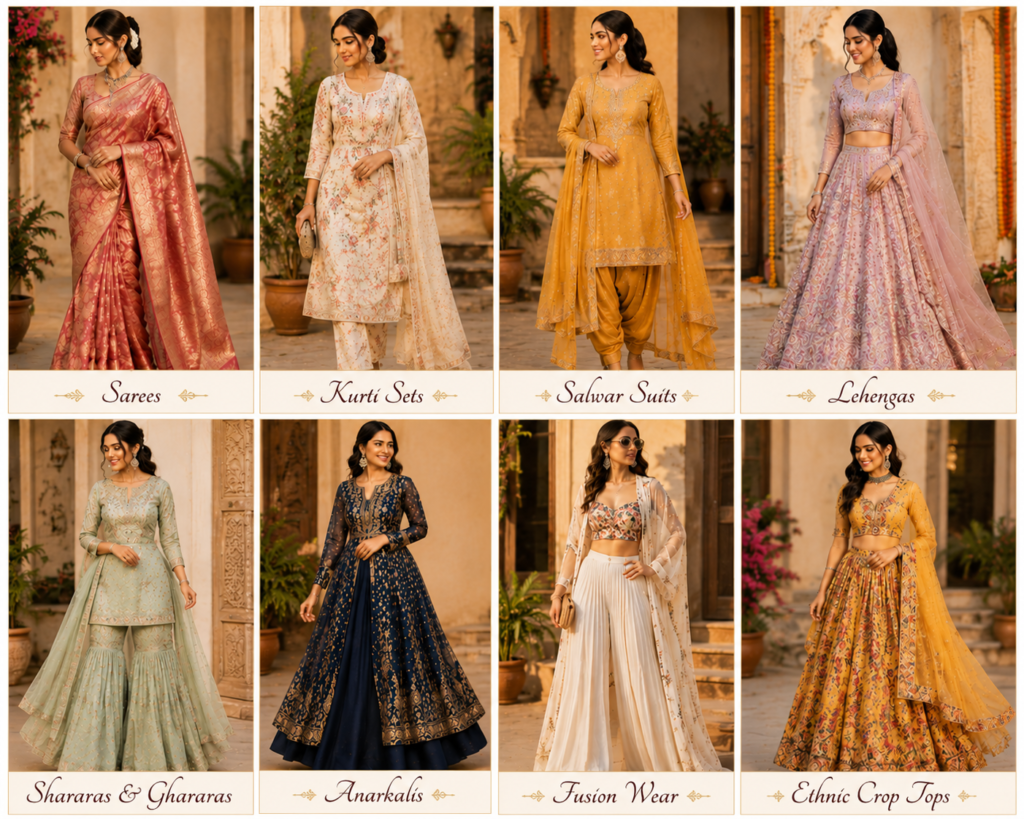
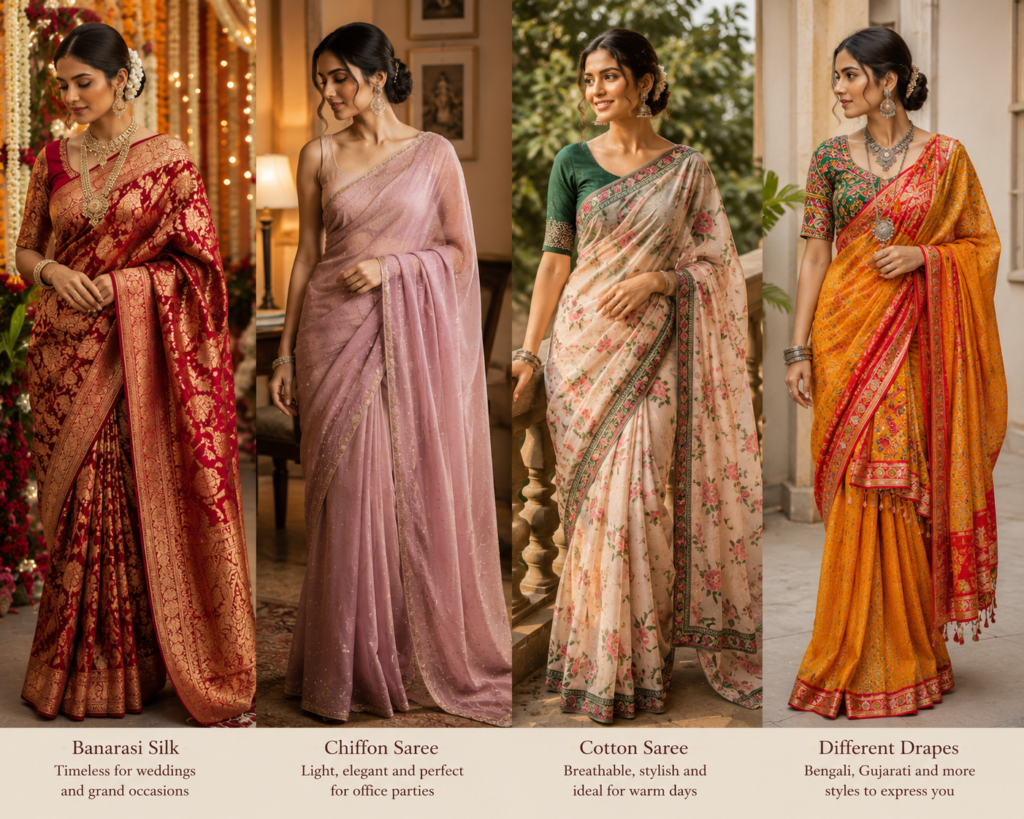
SAREES
The original power outfit. Nine yards (or six, depending on the style) of fabric that can make any woman feel completely herself. Banarasi silk is a wedding staple. Chiffon works brilliantly for office parties. Cotton is your best friend on warm days when you still want to look put-together. The drape changes everything — a Bengali drape is very different from a Gujarati one, and both are stunning in their own way.
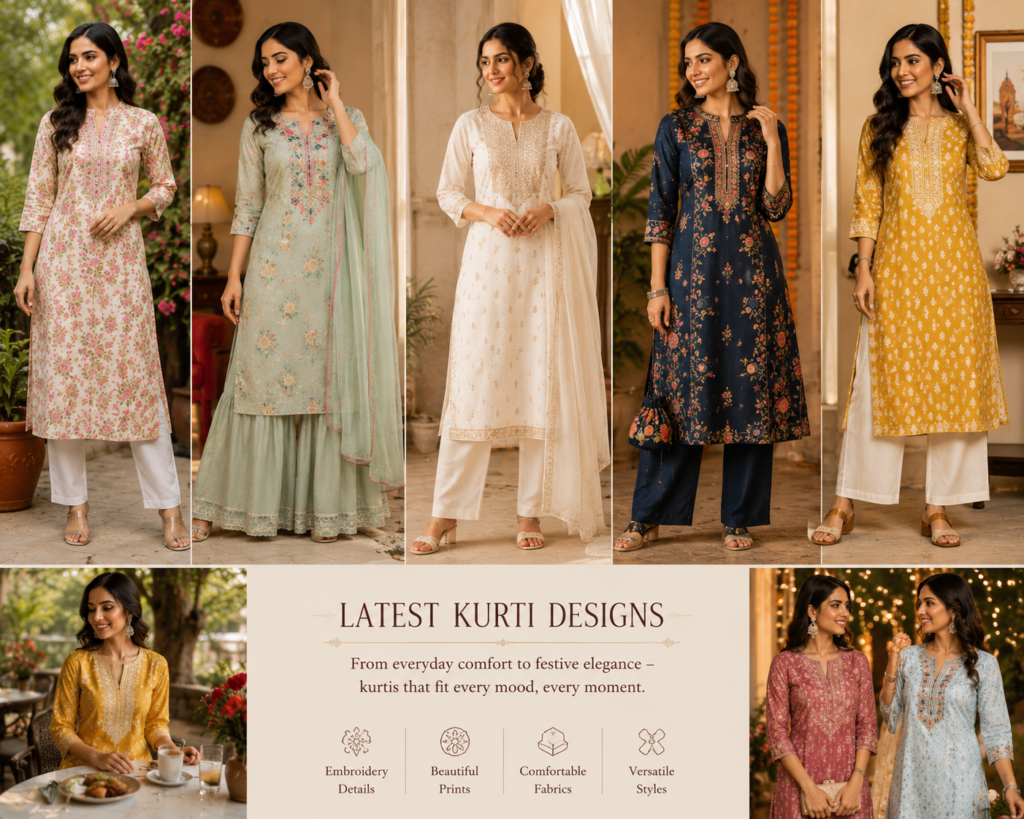
Kurti Sets
Kurtis have become the most wearable piece in ethnic wear, and for good reason — they go with jeans, palazzos, leggings, or even straight-fit trousers. A good kurti set with matching bottoms can take you from a casual family lunch to a festive gathering with almost no effort. [Latest kurti designs](#latest-kurti-designs) right now lean into embroidery, printed fabrics, and relaxed silhouettes that are actually comfortable to wear for hours.
Salwar Suits
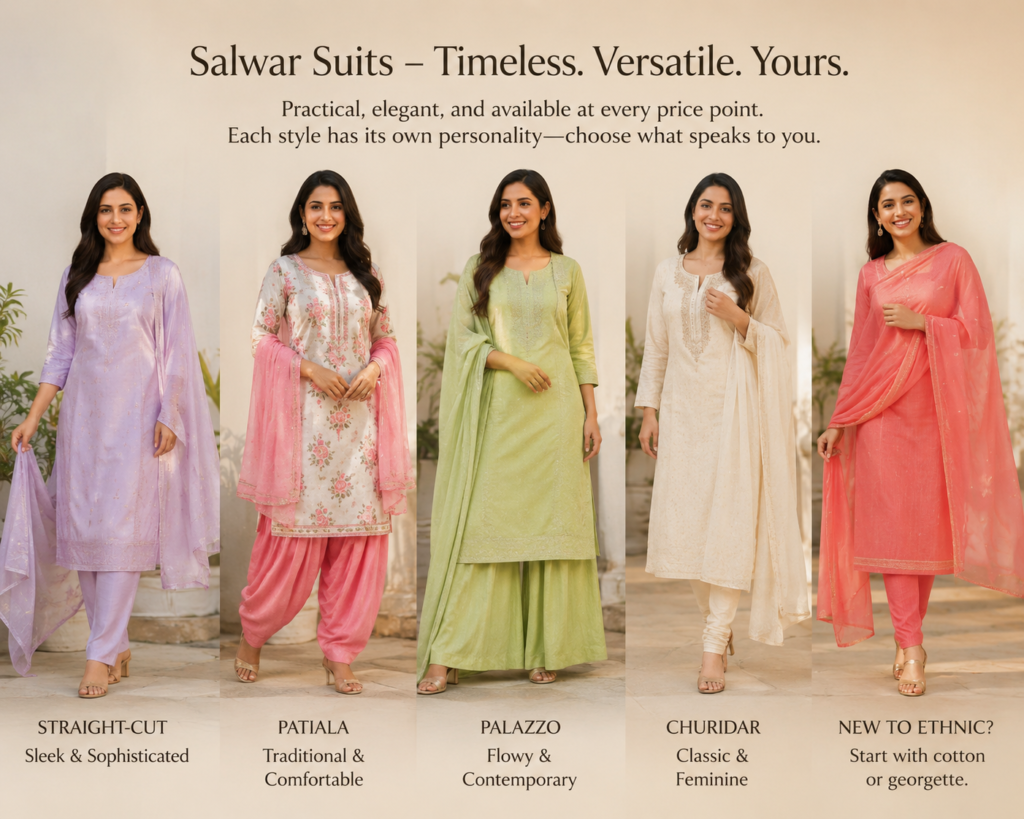
A classic for a reason. Practical, elegant, available at every price point. Straight-cut, Patiala, palazzo suits, churidar — each has its own personality. If you’re new to ethnic dressing, a well-fitted salwar suit in cotton or georgette is the most sensible place to start
Lehengas
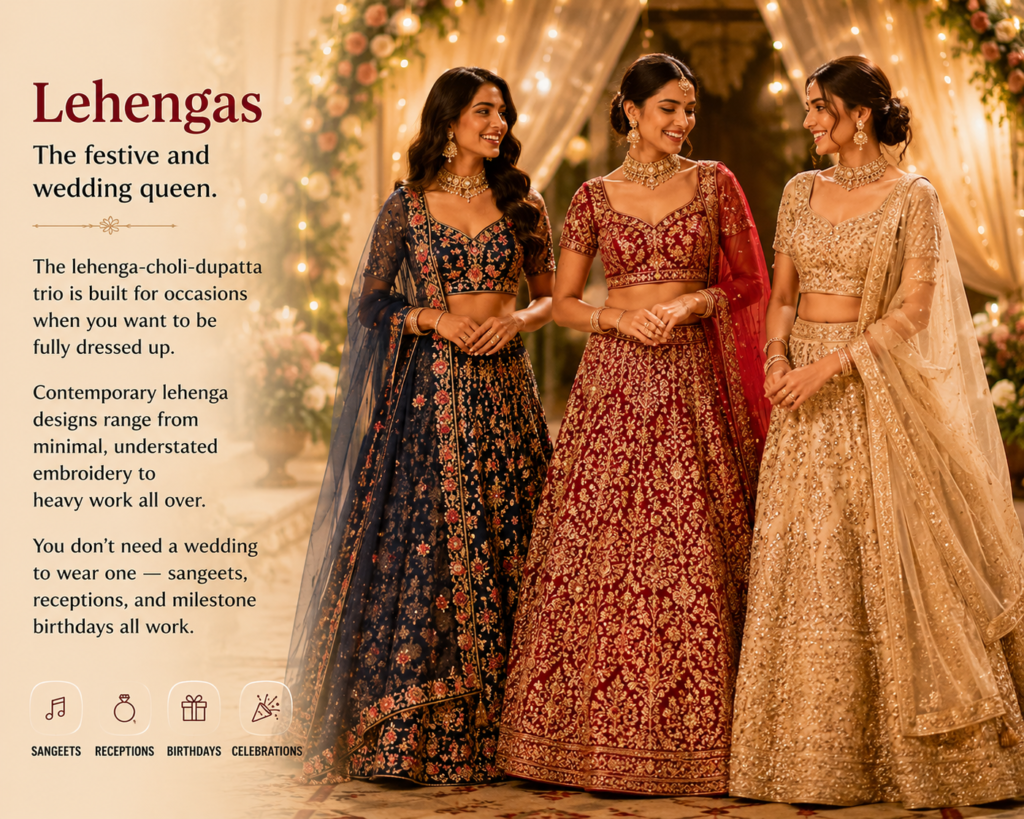
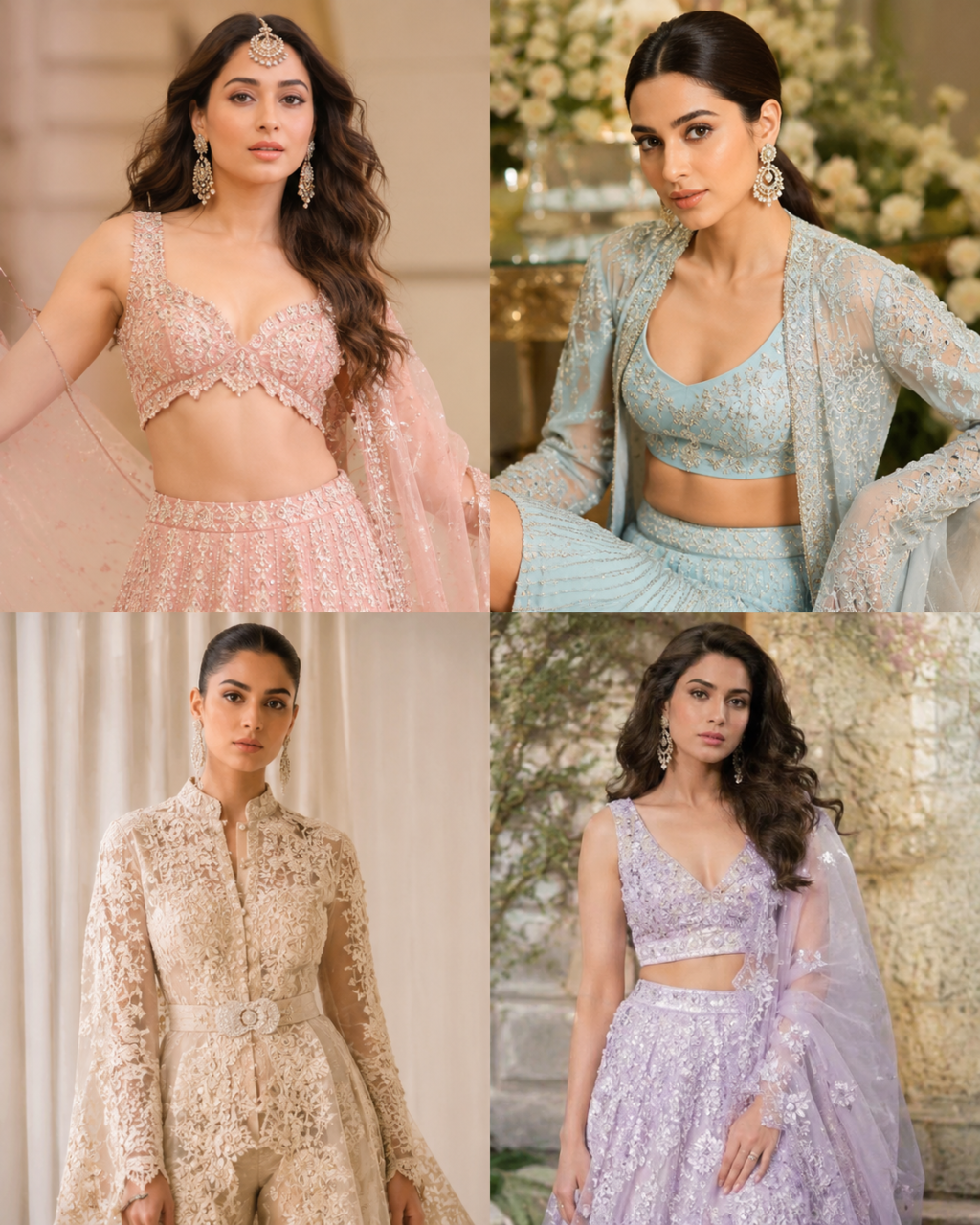
The festive and wedding queen. The lehenga-choli-dupatta trio is built for occasions when you want to be fully dressed up. Contemporary lehenga designs range from minimal, understated embroidery to heavy work all over. You don’t need a wedding to wear one — sangeets, receptions, and milestone birthdays all work. [Browse lehengas →](#)
Shararas and Ghagras
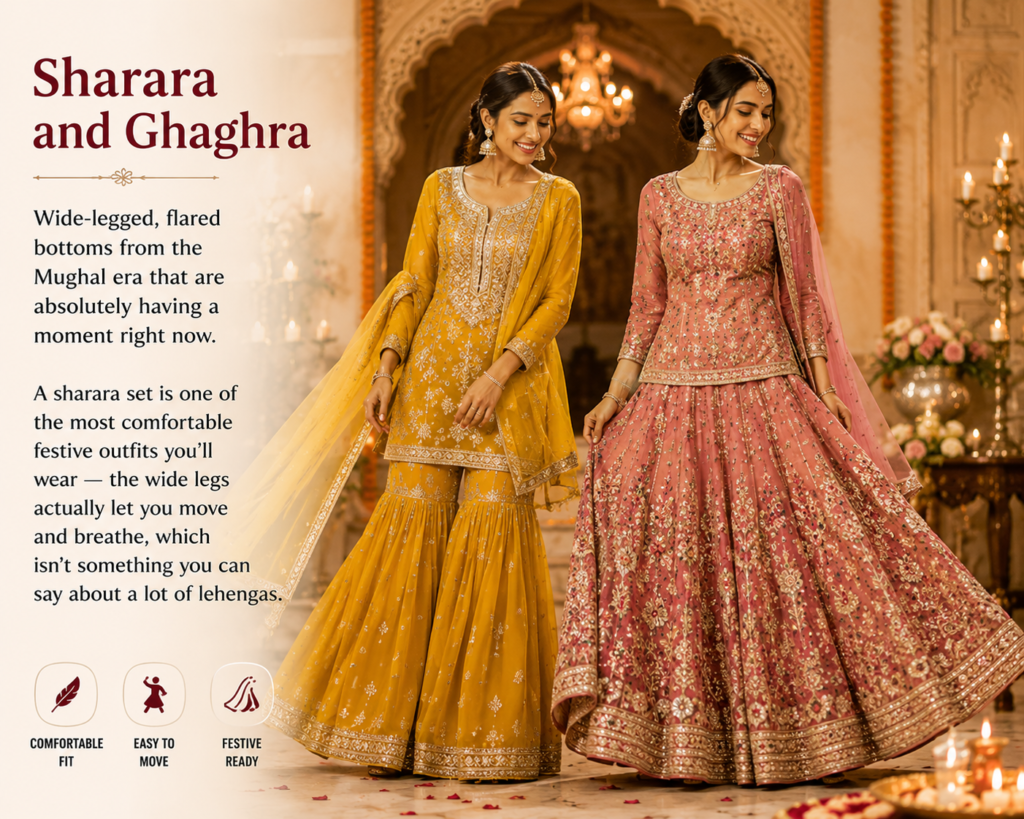
Wide-legged, flared bottoms from the Mughal era that are absolutely having a moment right now. A sharara set is one of the most comfortable festive outfits you’ll wear — the wide legs actually let you move and breathe, which isn’t something you can say about a lot of lehengas.
Anarkalis
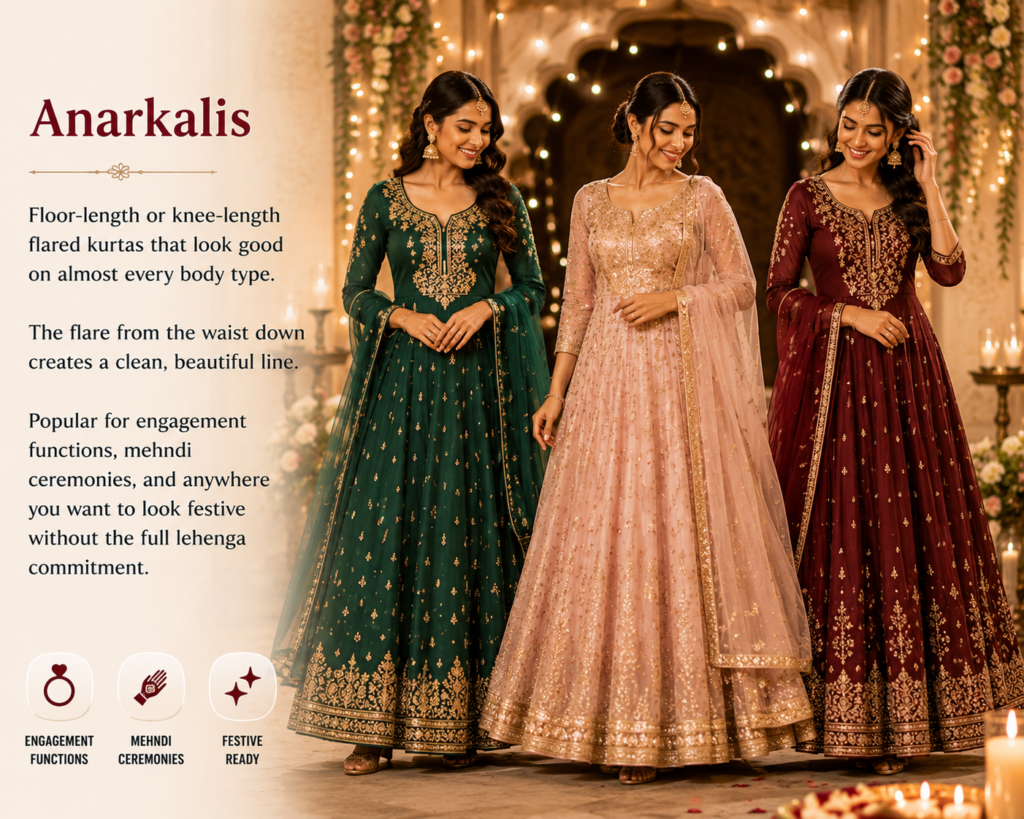
Floor-length or knee-length flared kurtas that look good on almost every body type. The flare fro m the waist down creates a clean, beautiful line. Popular for engagement functions, mehndi ceremonies, and anywhere you want to look festive without the full lehenga commitment.
Ethnic Dresses
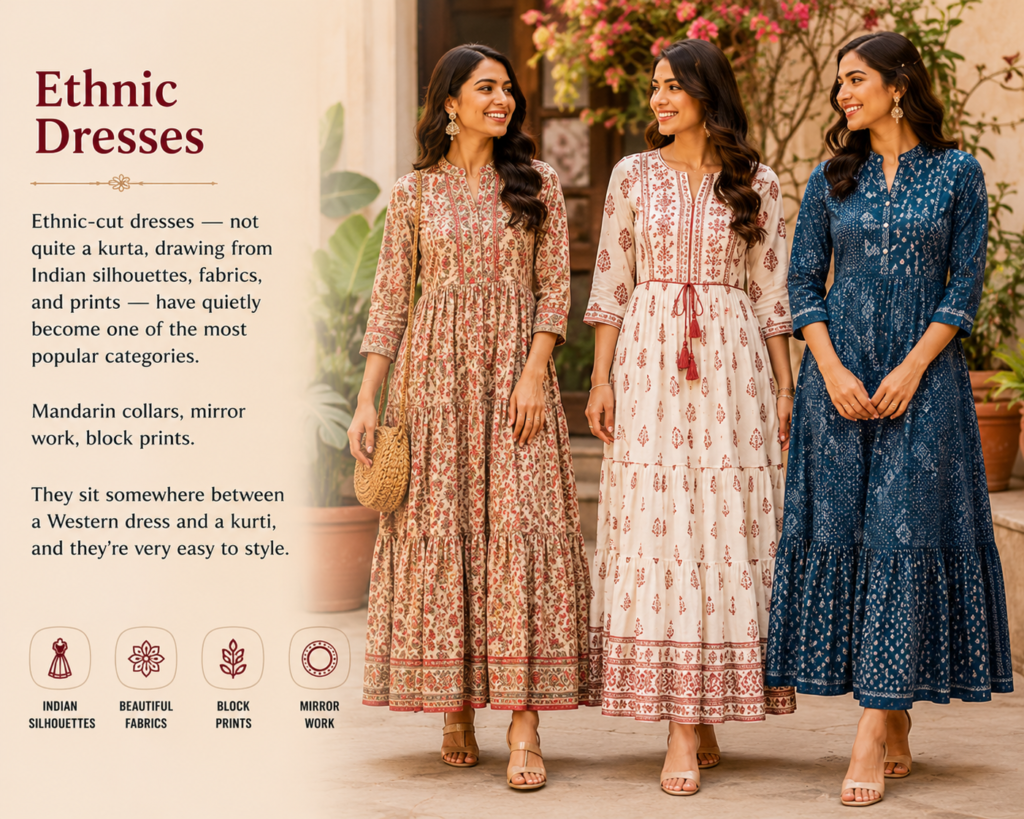
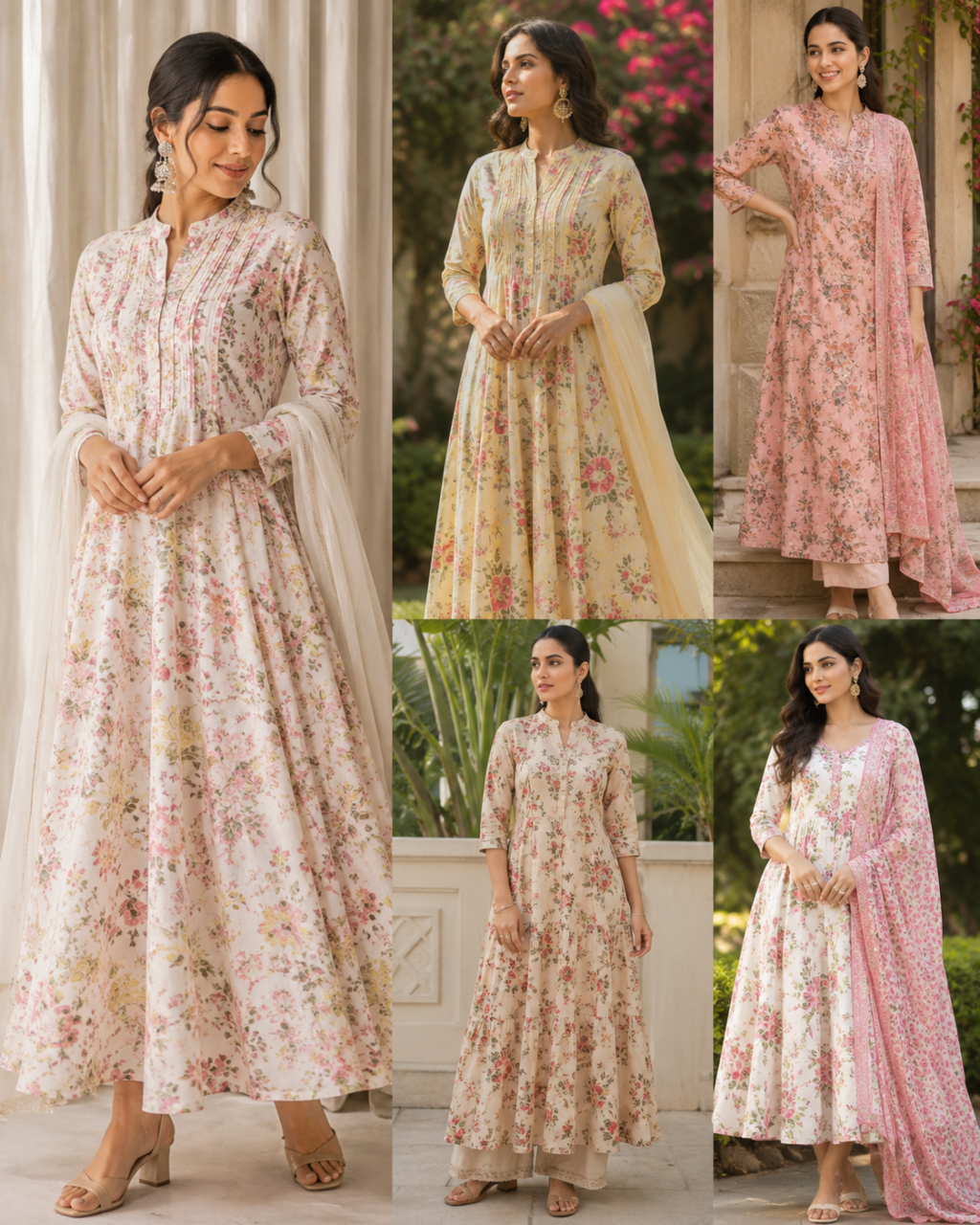
Ethnic-cut dresses — not quite a kurta, drawing from Indian silhouettes, fabrics, and prints — have quietly become one of the most popular categories. Mandarin collars, mirror work, block prints. They sit somewhere between a Western dress and a kurti, and they’re very easy to style.
Fusion wear
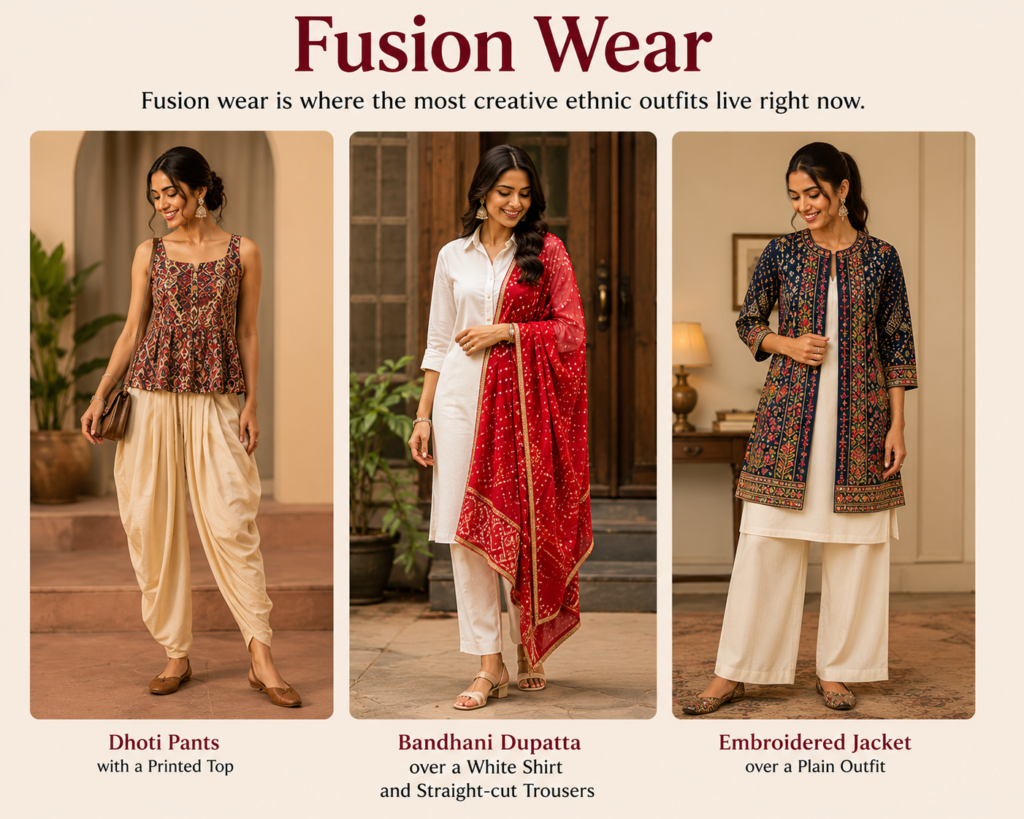
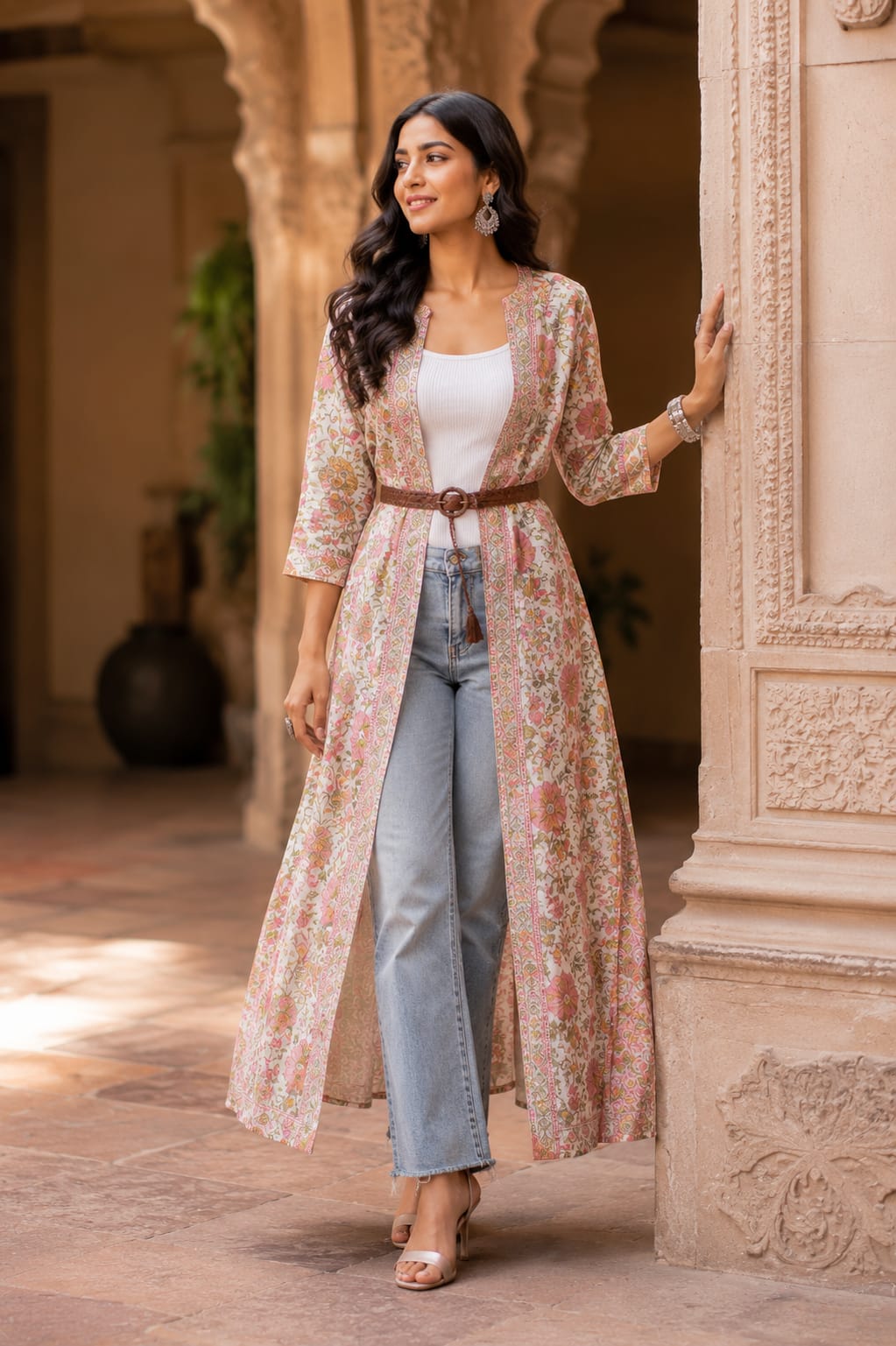
Dhoti pants with a printed top. A bandhani dupatta over a white shirt and straight-cut trousers. An embroidered jacket over a plain outfit. Fusion wear is where the most creative ethnic outfits live right now.
Ethnic Crop Tops
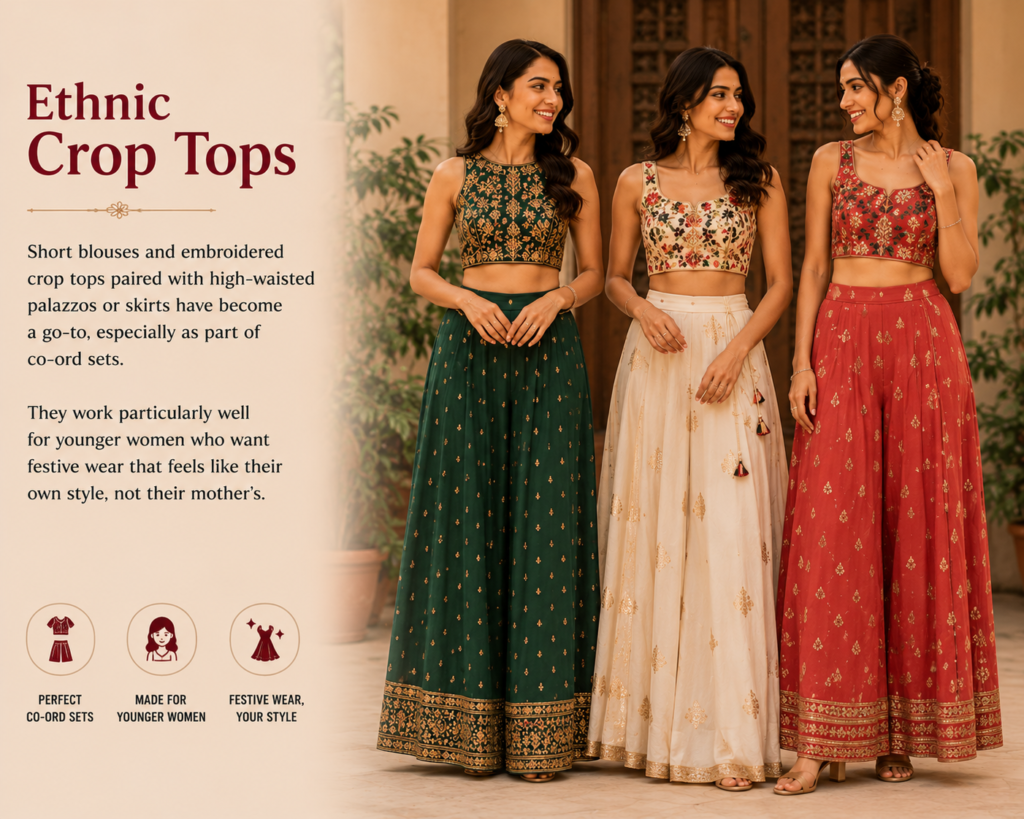
Short blouses and embroidered crop tops paired with high-waisted palazzos or skirts have become a go-to, especially as part of co-ord sets. They work particularly well for younger women who want festive wear that feels like their own style, not their mother’s. [Shop ethnic crop tops →](#)
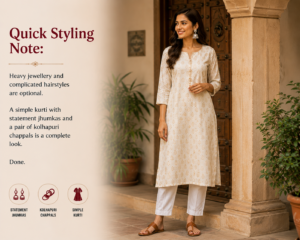
Quick styling note:
Heavy jewellery and complicated hairstyles are optional. A simple kurti with statement jhumkas and a pair of kolhapuri chappals is a complete look. Done.
2. Ethnic Wear Trends in 2026
Ethnic wear trends move more slowly than Western fashion, which is honestly one of the good things about them. Here’s what’s actually selling and being worn right now.
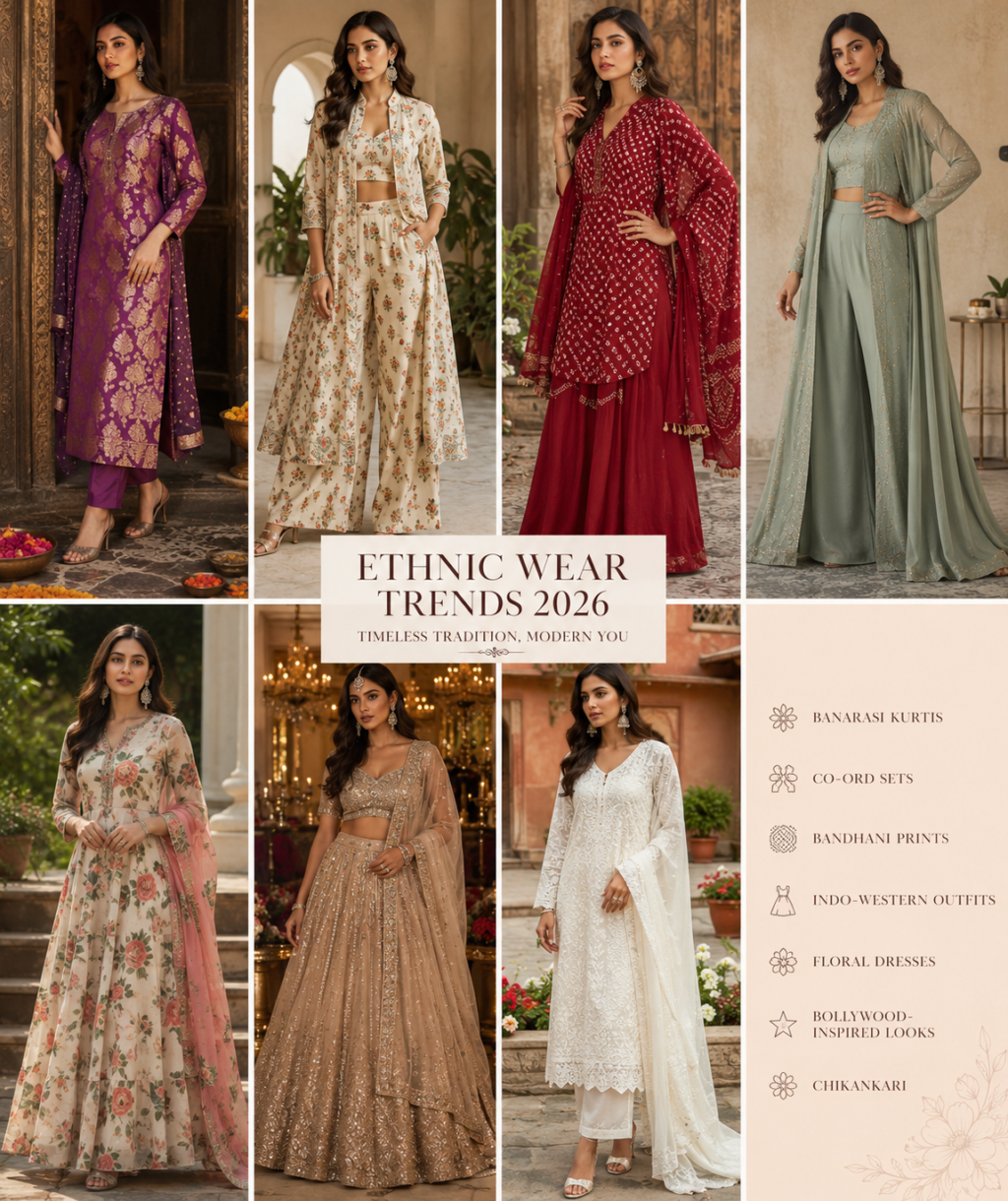
Latest Banarasi Kurti Designs
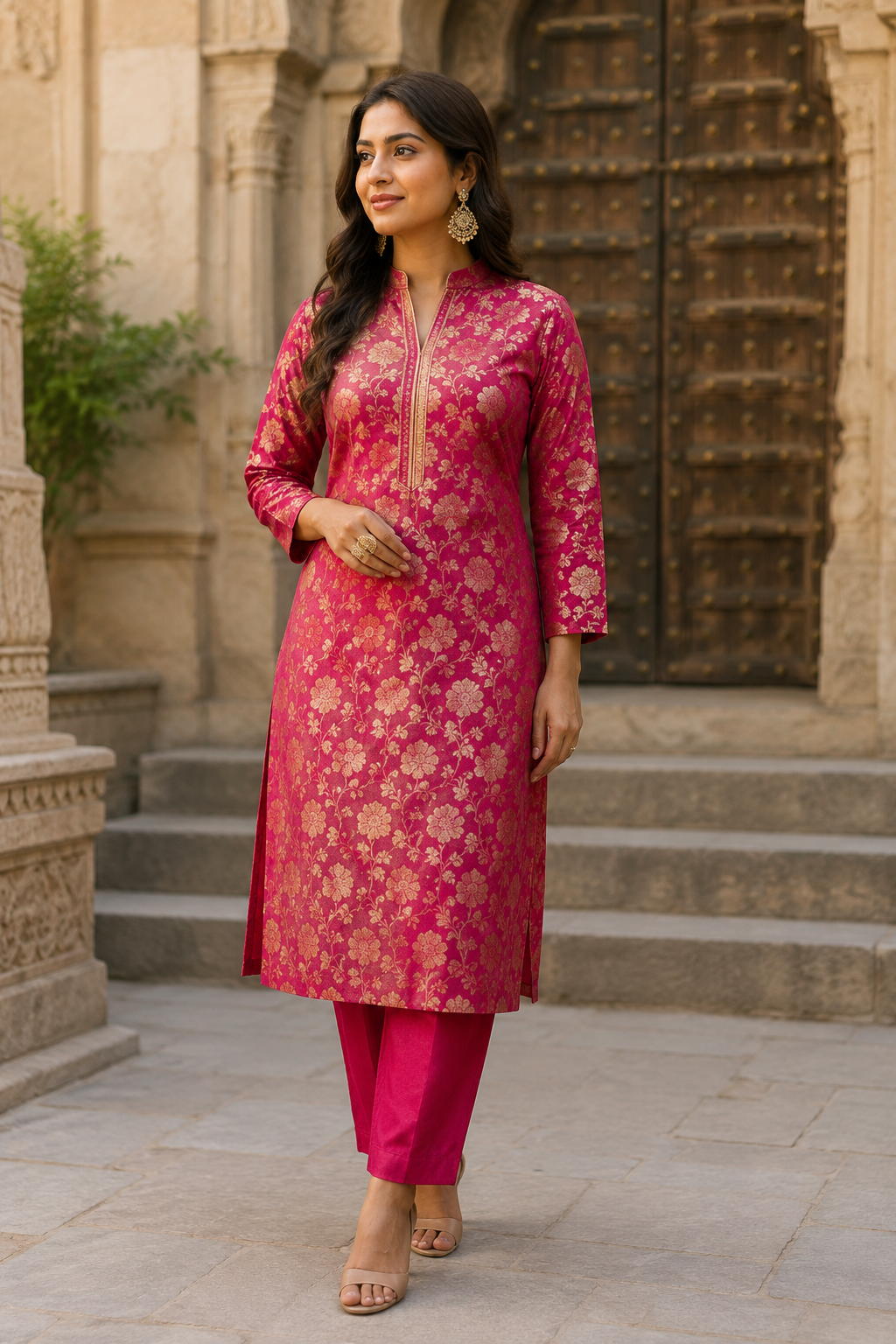
Banarasi weave has traditionally been a saree thing, but it’s moved firmly into kurtis. A Banarasi kurti — in silk or art silk, with zari or brocade work — looks rich without the full commitment of a saree. What I’ve noticed is that the best Banarasi kurtis keep everything else minimal: plain churidars or palazzos, no competing embroidery, no heavy dupatta. The fabric does the work; let it. [Browse Banarasi kurtis →](#)
Co-ord Ethnic Sets
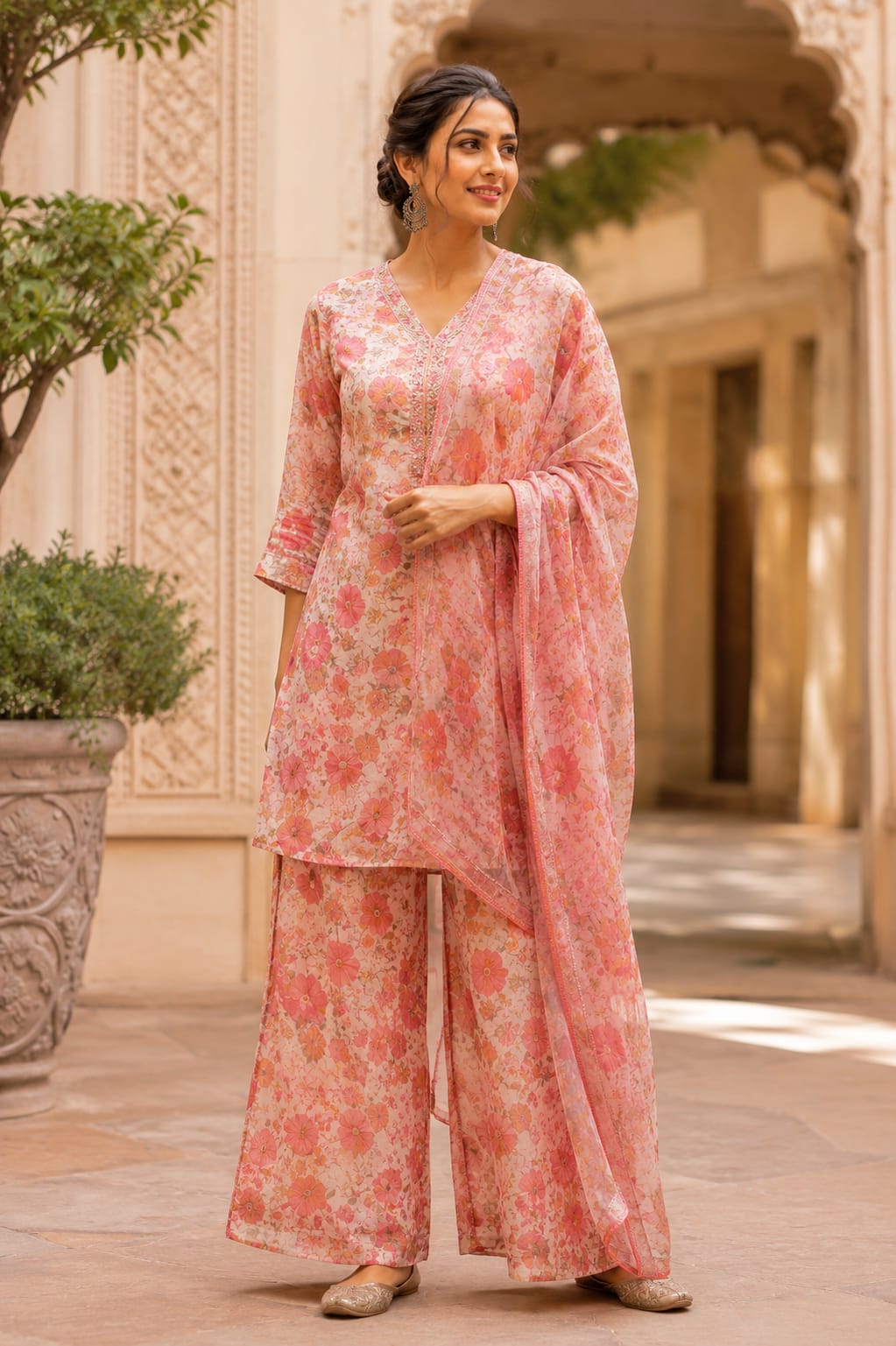
Matching top and bottom in the same fabric, print, or colour. One of the most popular choices for festive events right now. Printed georgette and chanderi co-ord sets in particular are everywhere, and they photograph beautifully.
Bandhani Prints
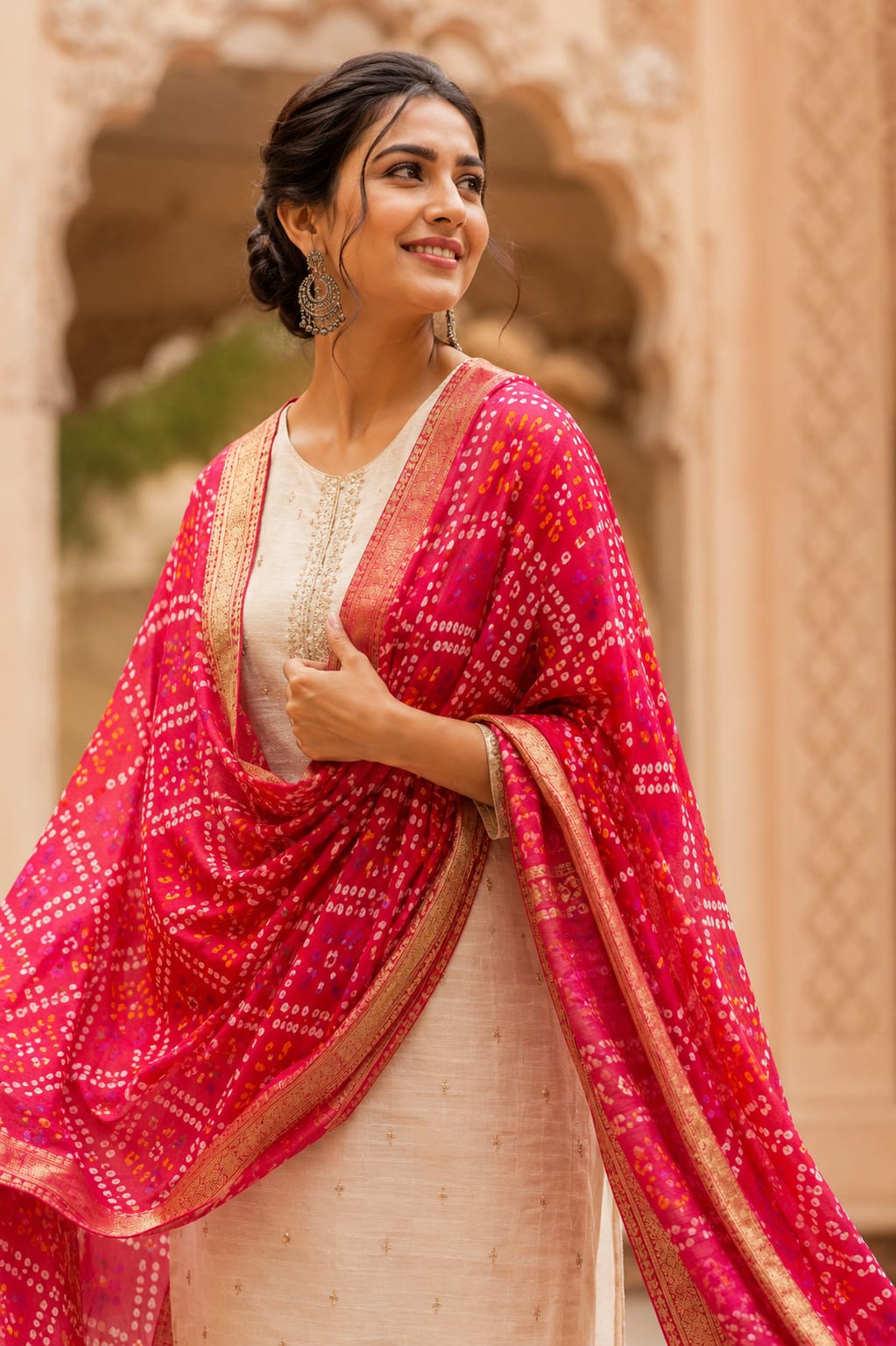
Tie-dye technique from Gujarat and Rajasthan, and it’s back in a big way. The dotted, vibrant pattern works on dupattas, sarees, kurtis, and ethnic dresses. Festive and colourful without feeling overdone.
Indo-Western Outfits
Long embroidered skirts with fitted Western tops. Kurtas belted and worn over jeans. Women who are comfortable mixing styles can put together outfits here that nobody else is wearing — which is the whole point.
Floral Ethnic Dresses
Floral prints on ethnic silhouettes — midi dresses with mandarin collars, A-line kurtas, printed anarkalis. Popular across age groups because the print feels current while the silhouette stays rooted.
Bollywood-Inspired Looks
Pastel lehengas, heavily embroidered co-ord sets, belted kurtas — a lot of what’s trending comes directly from film promotions and music videos. That’s not new, but the current cycle is particularly strong.
Chikankari
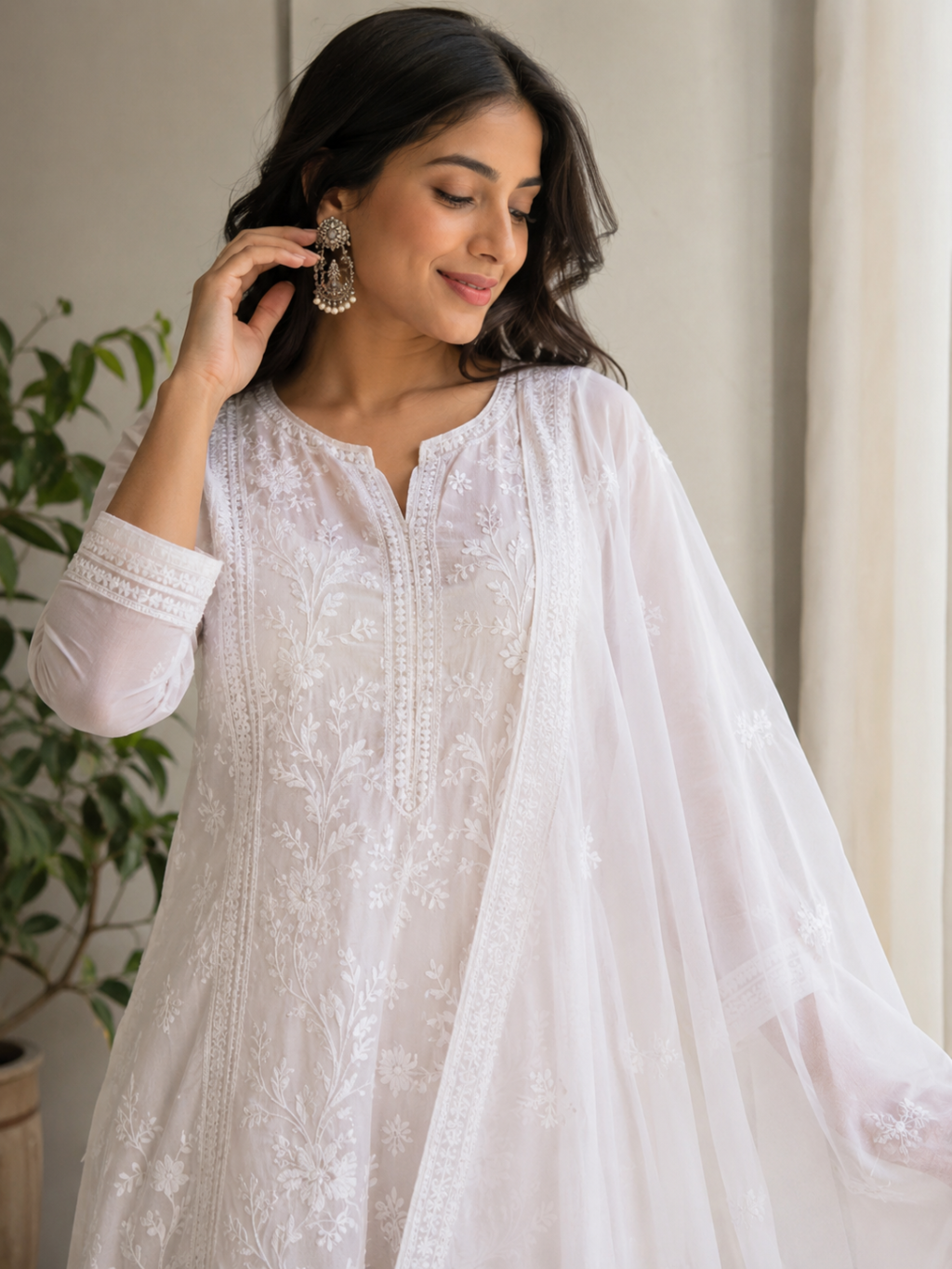
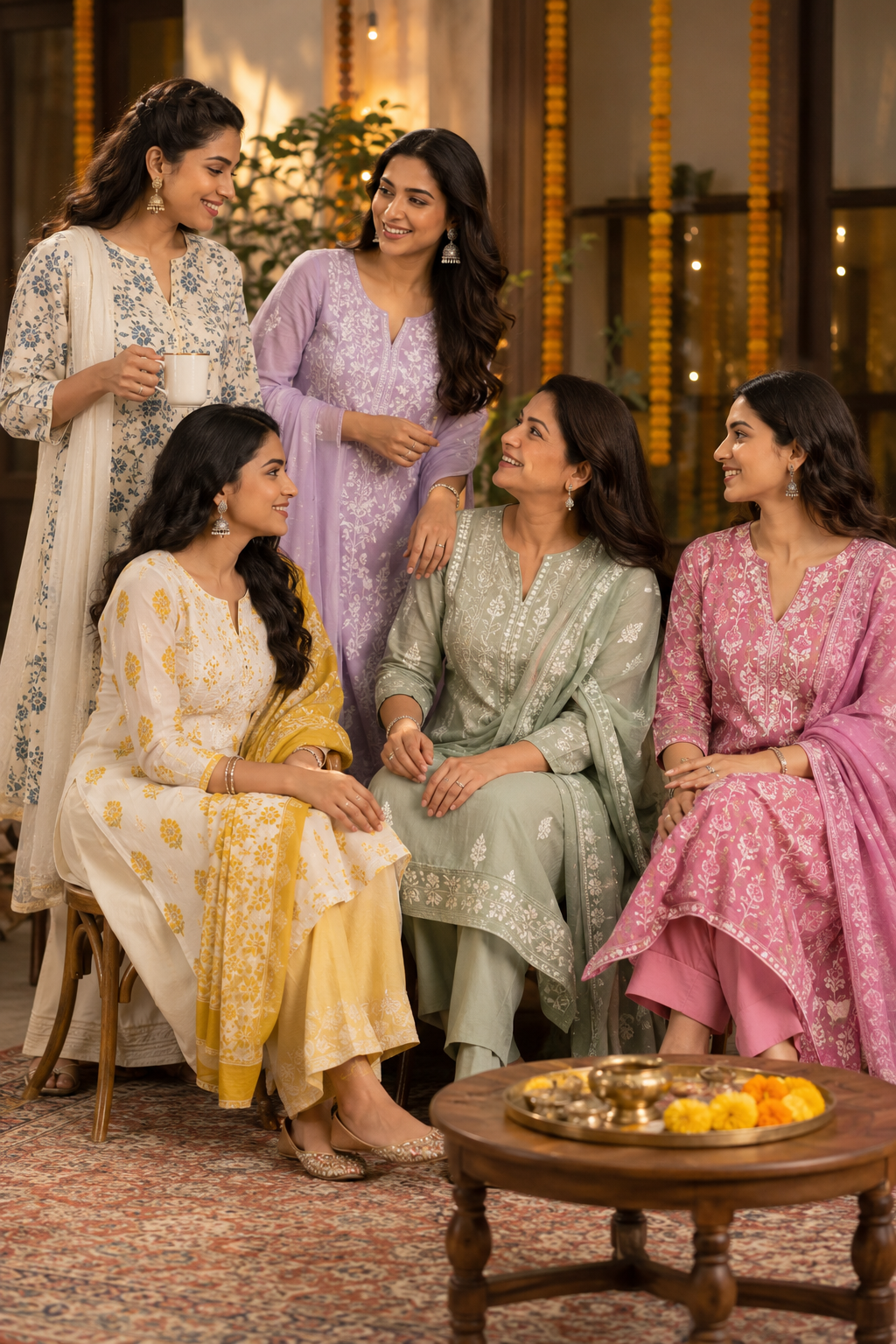
Delicate white-thread embroidery from Lucknow, showing up on everything right now — kurtis, sarees, tops, palazzos. Works in summer because the base fabric is usually muslin or georgette. Looks genuinely elegant without trying too hard.
Colours Right Now
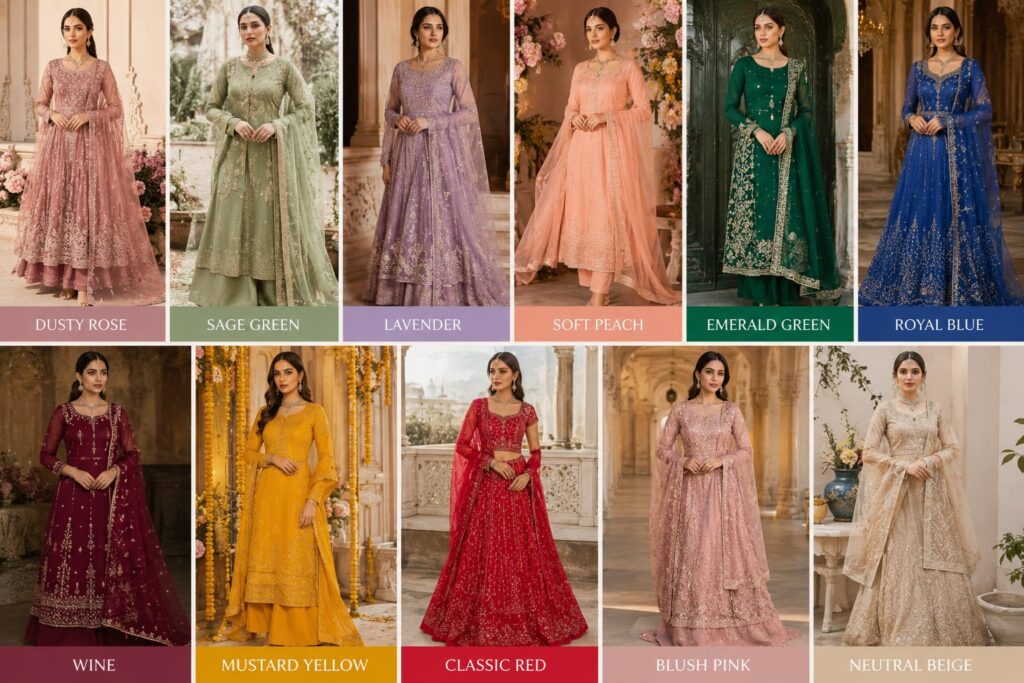
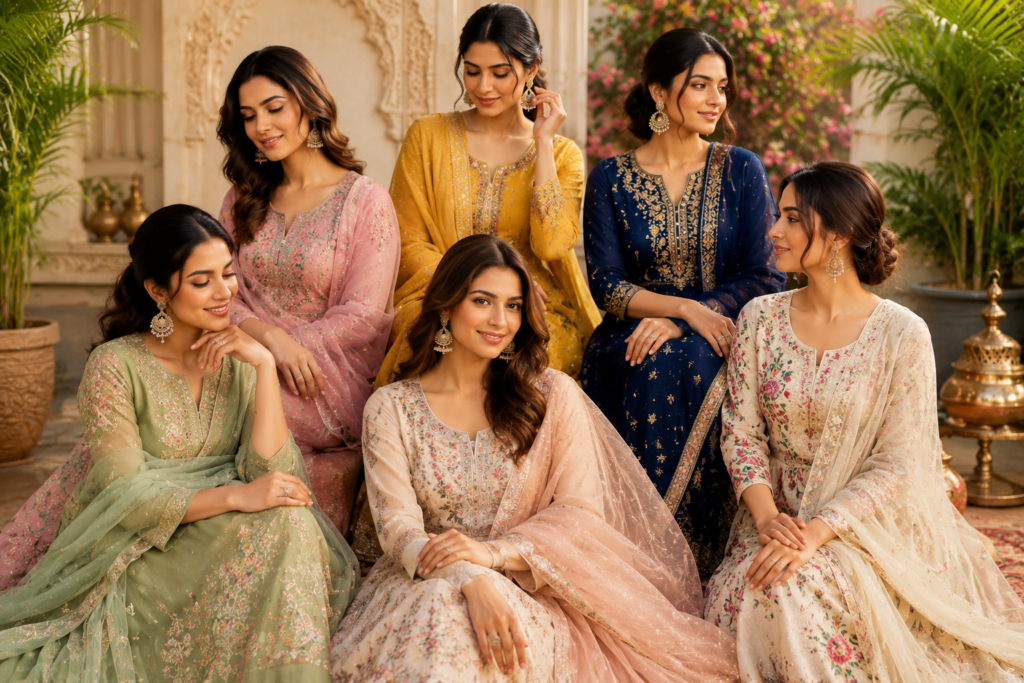
Pastels are dominant — dusty rose, sage green, lavender, soft peach. Alongside them, jewel tones like emerald green, royal blue, and wine hold steady at weddings and festive events. Mustard yellow has been consistently popular for a few seasons. Classic red always sells. If you’re buying one ethnic piece this year, any of these shades will still feel current a few years from now
Accessories note:
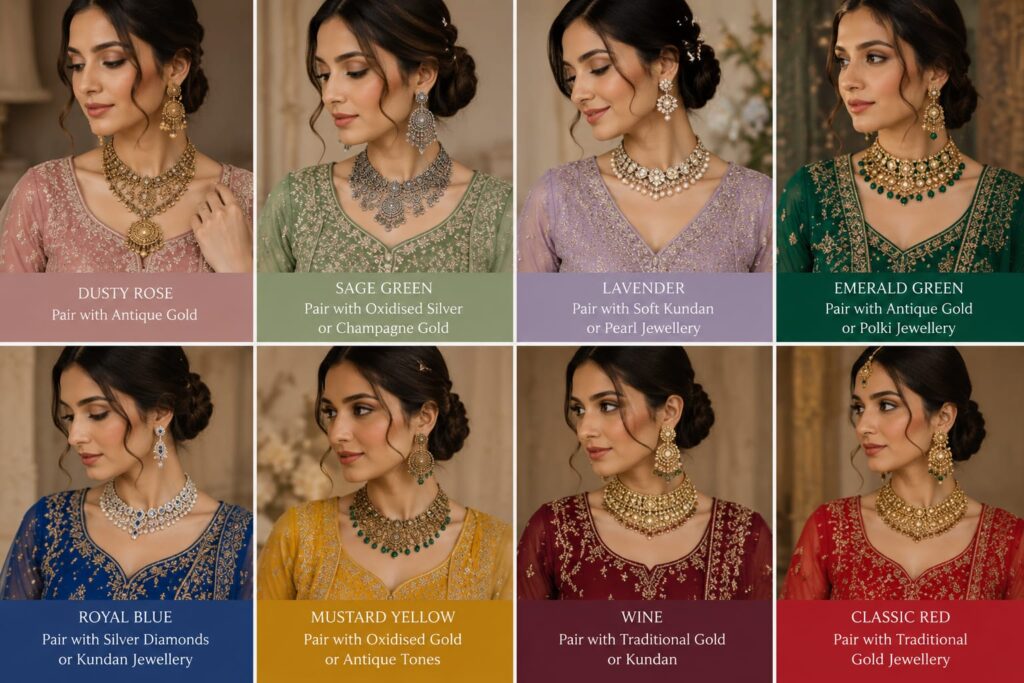
Don’t match jewellery to outfit colour exactly. If you’re wearing dusty rose, antique gold works better than pink accessories. The contrast looks more intentional.
3. Ethnic Wear for Different Occasions
The same lehenga that works at a sangeet looks completely out of place at an office Diwali party. Knowing how to dress for the occasion is one of the most practical skills in ethnic dressing.
Weddings
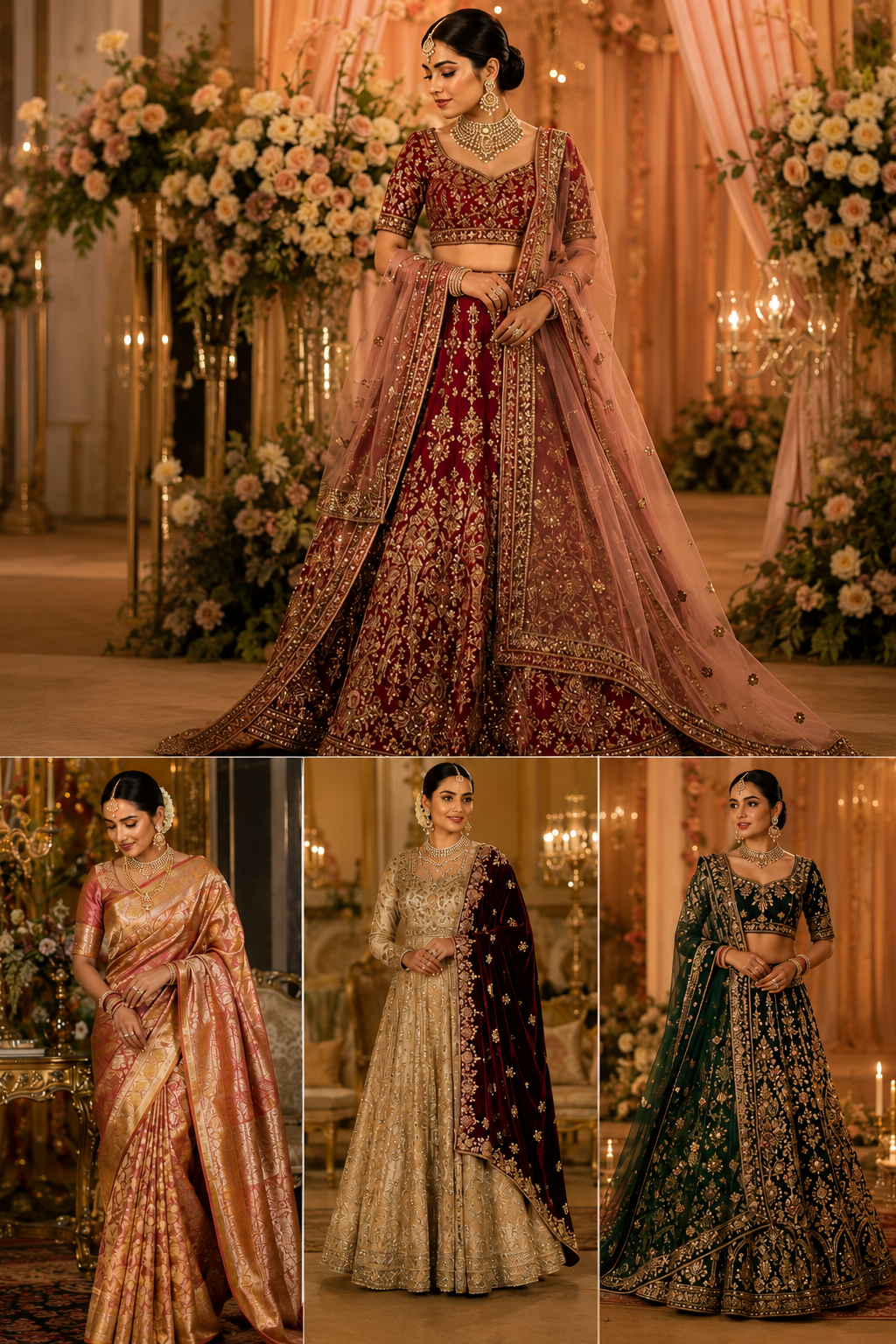
Heavy is the rule — heavy embroidery, heavier fabrics, substantial jewellery. Silk, velvet, brocade, heavily embroidered georgette. Lehengas, silk sarees, and heavy anarkalis all work. Jewellery should match the scale: real or good-quality imitation, a bindi, embroidered footwear or heels.
Receptions
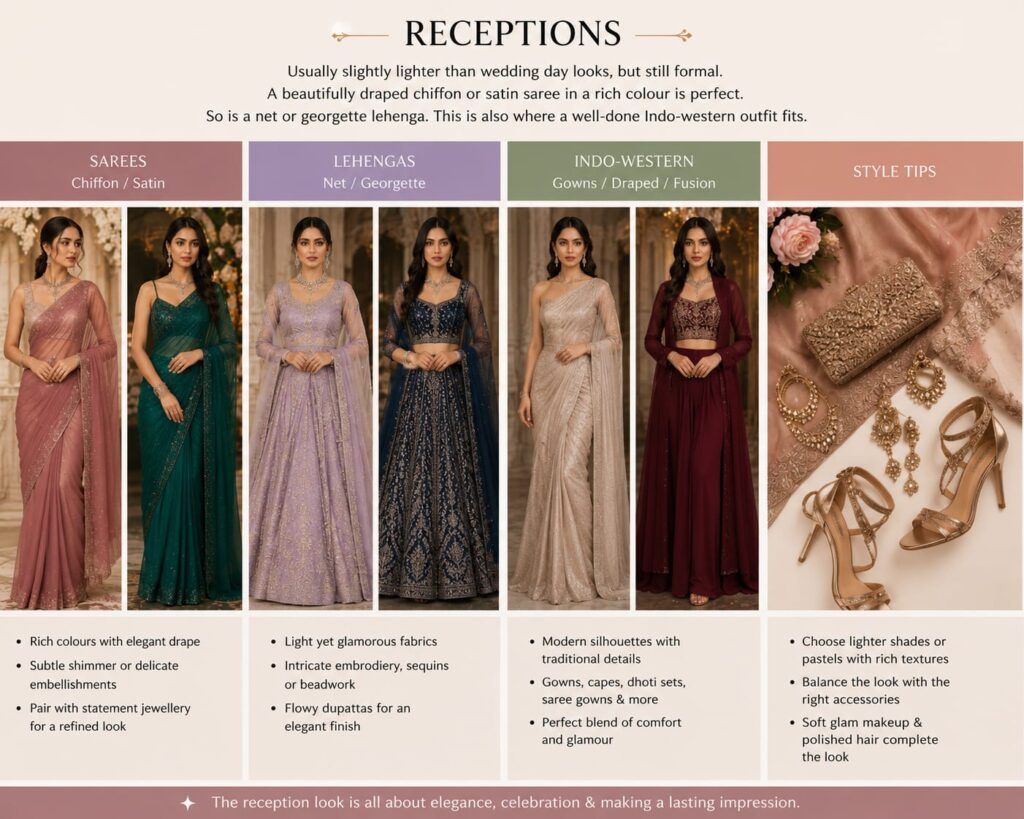
Usually slightly lighter than wedding day looks, but still formal. A beautifully draped chiffon or satin saree in a rich colour is perfect. So is a net or georgette lehenga. This is also where a well-done Indo-western outfit fits.
What to Wear to a Diwali Party
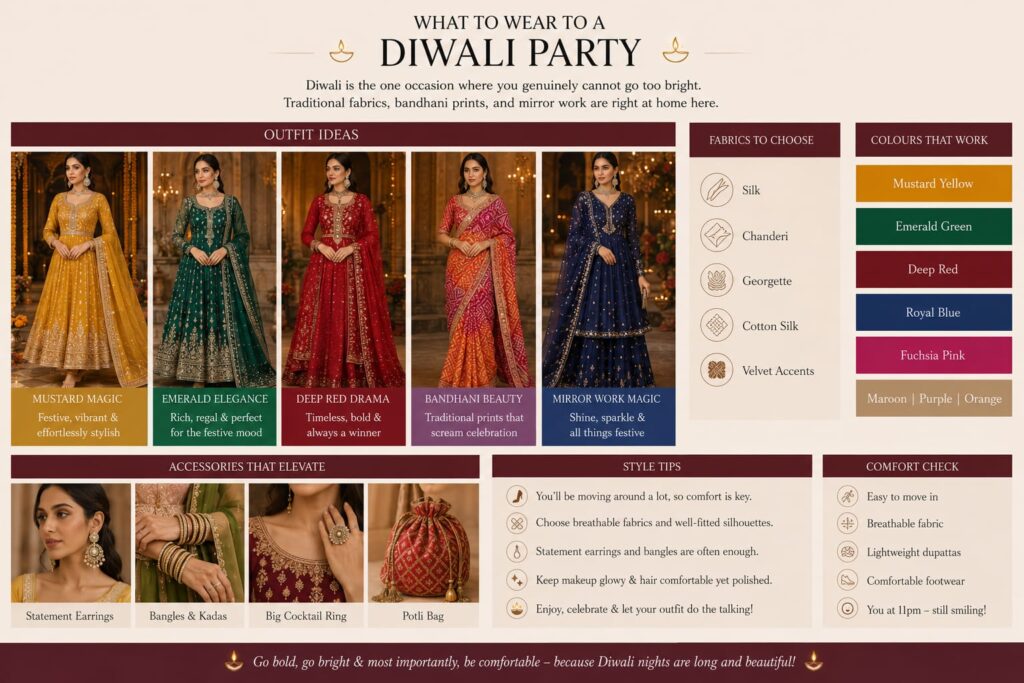
Diwali is the one occasion where you genuinely cannot go too bright. Traditional fabrics, bandhani prints, and mirror work are right at home here. Personally, I always reach for something in mustard, emerald, or deep red — they read festive without trying too hard. Statement earrings and bangles are often enough jewellery-wise. You’ll be moving around a lot, so comfort matters more than you think at 11pm.
Office Parties
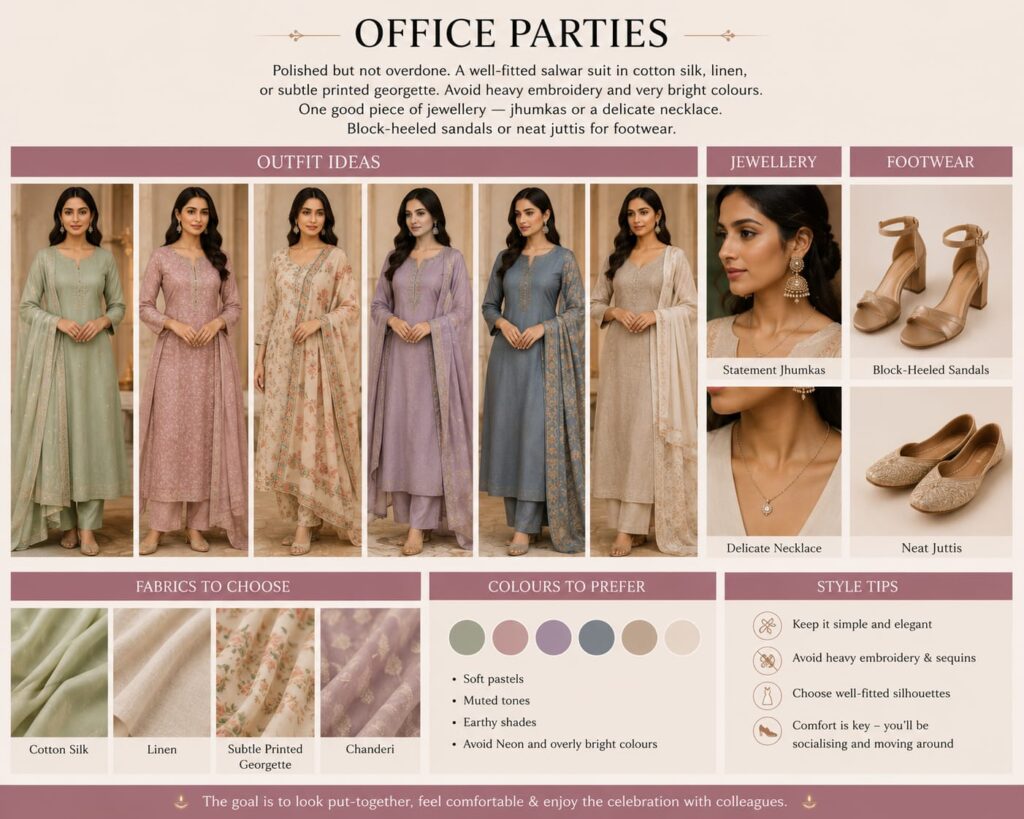
Polished but not overdone. A well-fitted salwar suit in cotton silk, linen, or subtle printed georgette. Avoid heavy embroidery and very bright colours. One good piece of jewellery — jhumkas or a delicate necklace. Block-heeled sandals or neat juttis for footwear.
Casual Family Events
This is where your most comfortable ethnic pieces get to shine. A cotton kurti with palazzos, a casual printed suit, or an ethnic dress. You don’t need to go all out — the point is to look put-together without feeling like you’re at a formal event.
Bridesmaid Looks
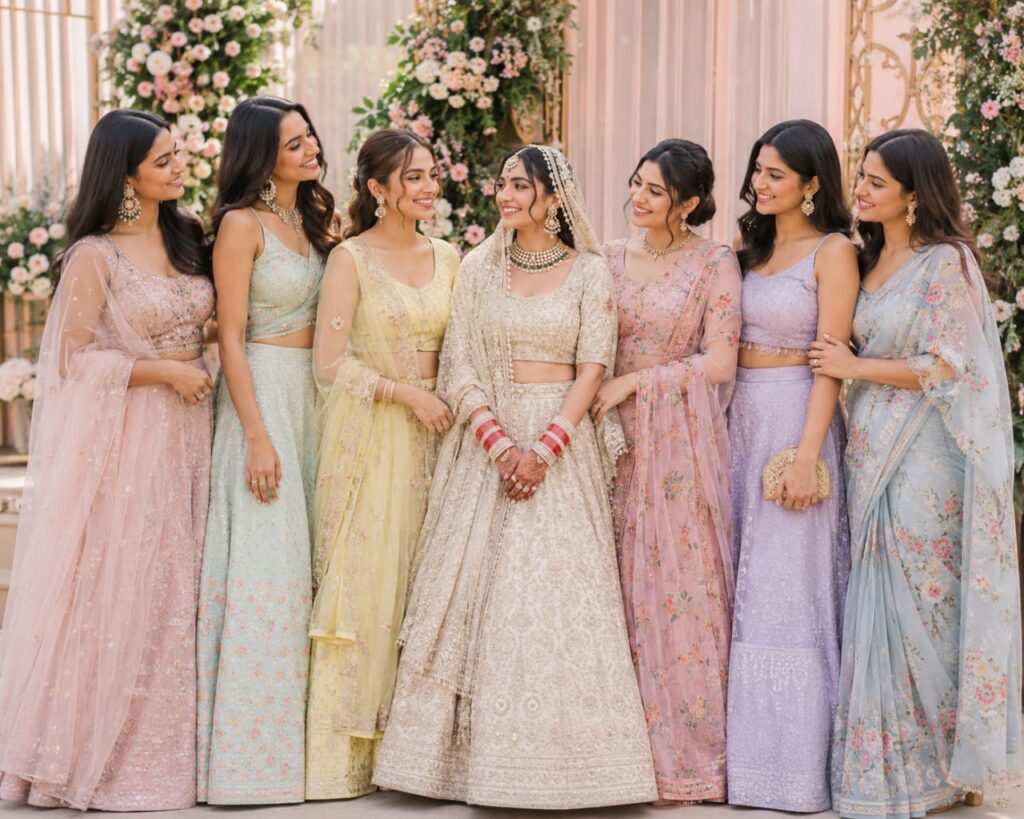
You’re in photographs all day, so it matters. Coordinate with the wedding theme where you can. Your outfit should complement the bride, not compete. Pastel lehengas, printed sarees, and co-ord sets all work. Go slightly lighter on jewellery than the bride, and make sure your footwear is something you can stand in for hours.
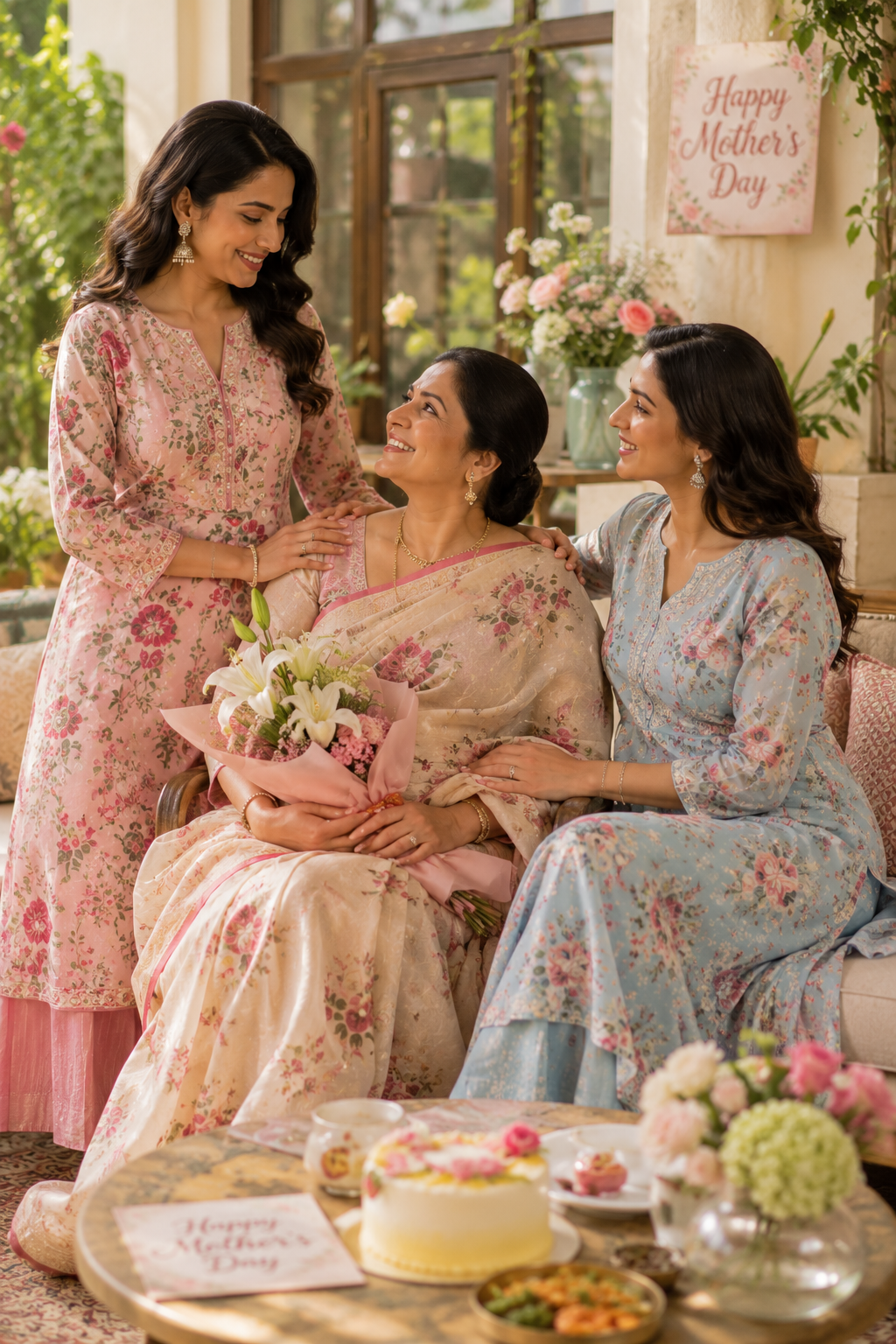
Mother's Day and Similar Celebrations
For gifting, cotton and silk sarees are always well-received by mothers and grandmothers. For wearing yourself to a brunch, a pretty printed dress or a casual kurta set — warm, celebratory, not overdressed.
Footwear note:
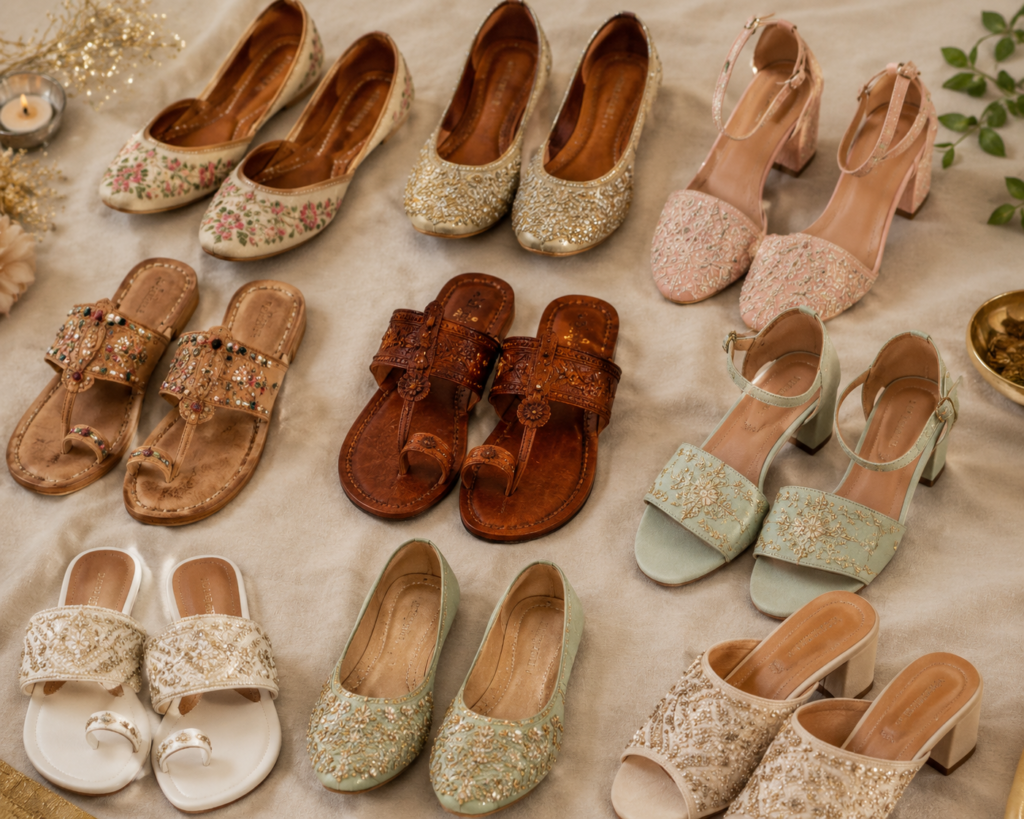
Juttis say festive-casual. Block heels say polished-formal. Kolhapuri chappals say traditional and grounded. Your footwear tells people how dressed up you actually are.
4. Ethnic Wear by Body Type and Age
Ethnic wear is one of the most forgiving clothing categories because there’s a silhouette for every body. But some choices work better for specific builds, and knowing them makes getting dressed faster.
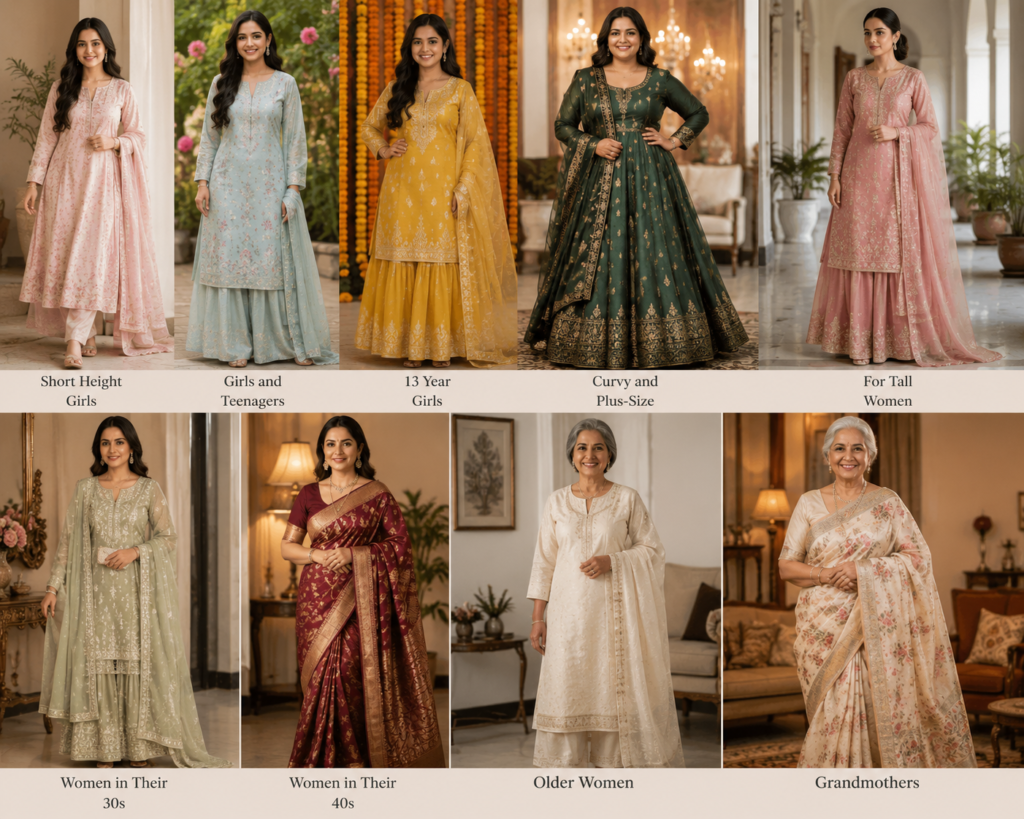
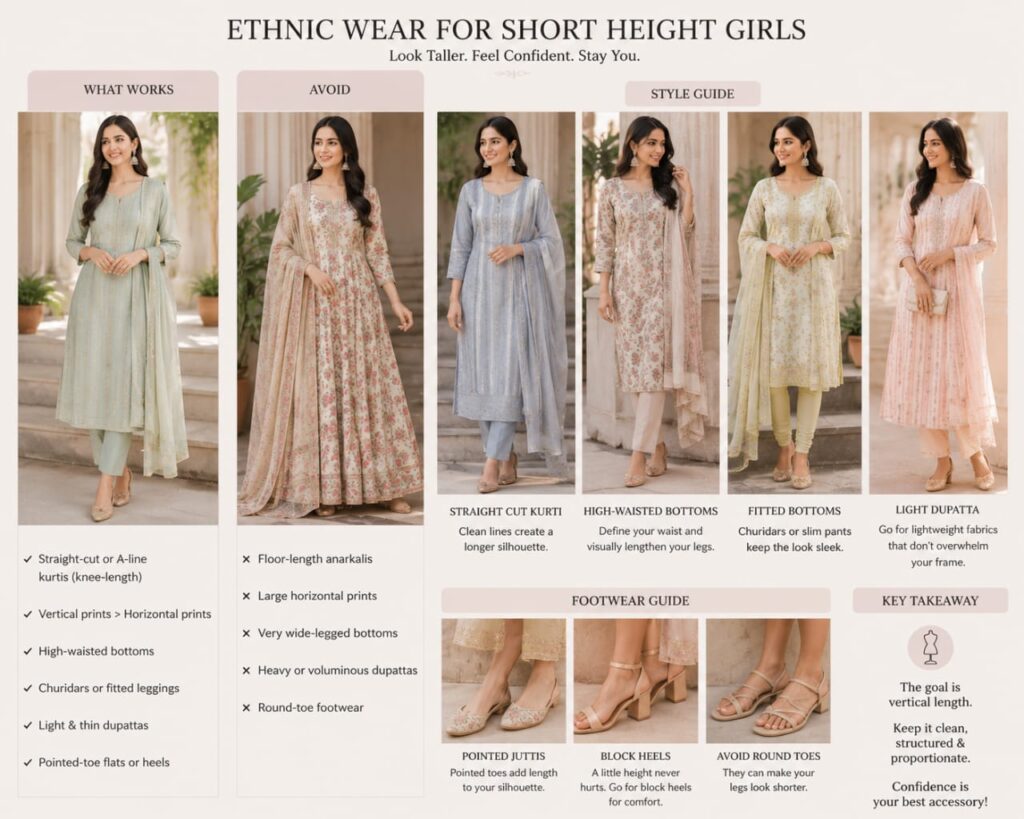
Ethnic Wear for Short Height Girls
The goal is vertical length. Straight-cut or A-line kurtis that hit just above or at the knee work better than floor-length anarkalis, which can shorten the silhouette for petite frames. Vertical prints over large horizontal ones. High-waisted bottoms to visually lengthen the legs. Churidars and fitted leggings rather than very wide-legged bottoms.
If flats are your preference, pointed-toe juttis create a lengthening effect. Keep dupattas lighter and thinner — a very voluminous dupatta can overwhelm a smaller frame.
One thing that genuinely surprises people: a well-proportioned kurti at knee-length often looks better on petite women than a “proper” floor-length anarkali. The math just works differently. [See kurti sets for petite women →](#)
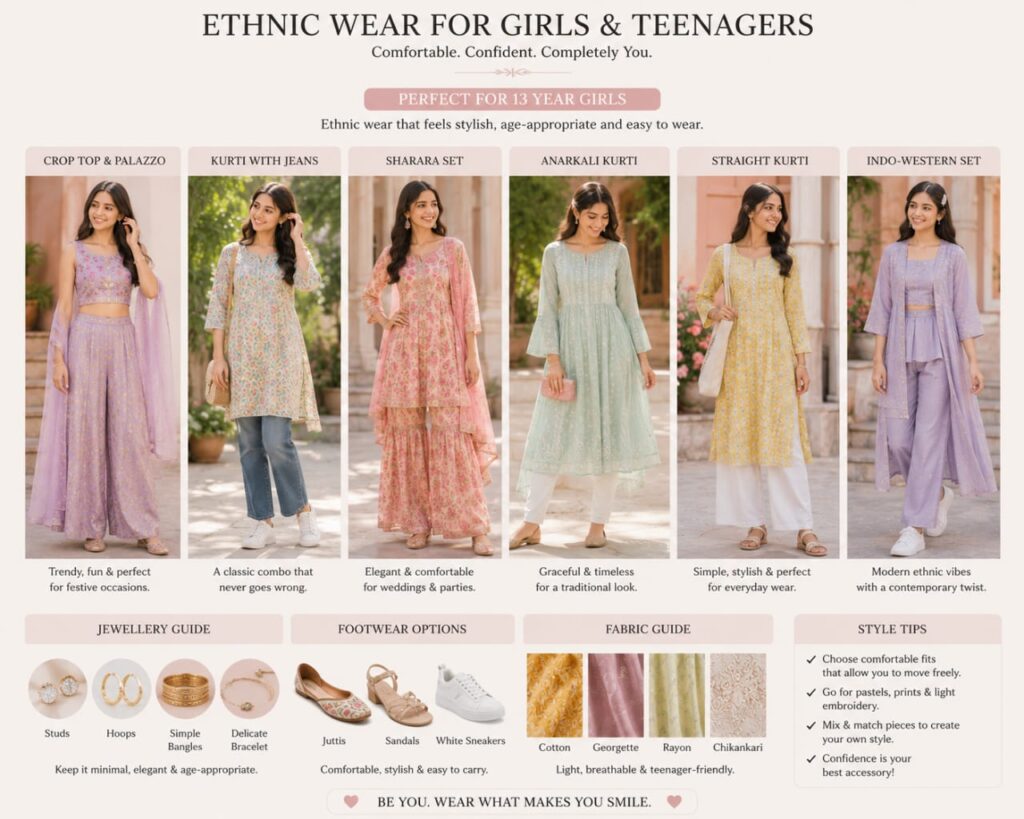
Ethnic Wear for Girls and Teenagers Ethnic Wear for 13 Year Girls
Ethnic dressing for teenagers works best when it’s comfortable and feels like the wearer’s own choice — not something that was put on them. Ethnic crop tops with high-waisted palazzos or wide-leg pants are a strong option. Printed cotton kurtis with jeans are a classic for this age group and genuinely never go wrong.
Keep jewellery minimal — small studs or hoops, simple bangles, a delicate bracelet. For footwear, juttis, simple sandals, or clean white sneakers with ethnic outfits all work. The white sneaker + kurta combination in particular has become standard, and for good reason: it’s comfortable, looks intentional, and doesn’t feel like a costume. [Shop ethnic wear for girls →](#)
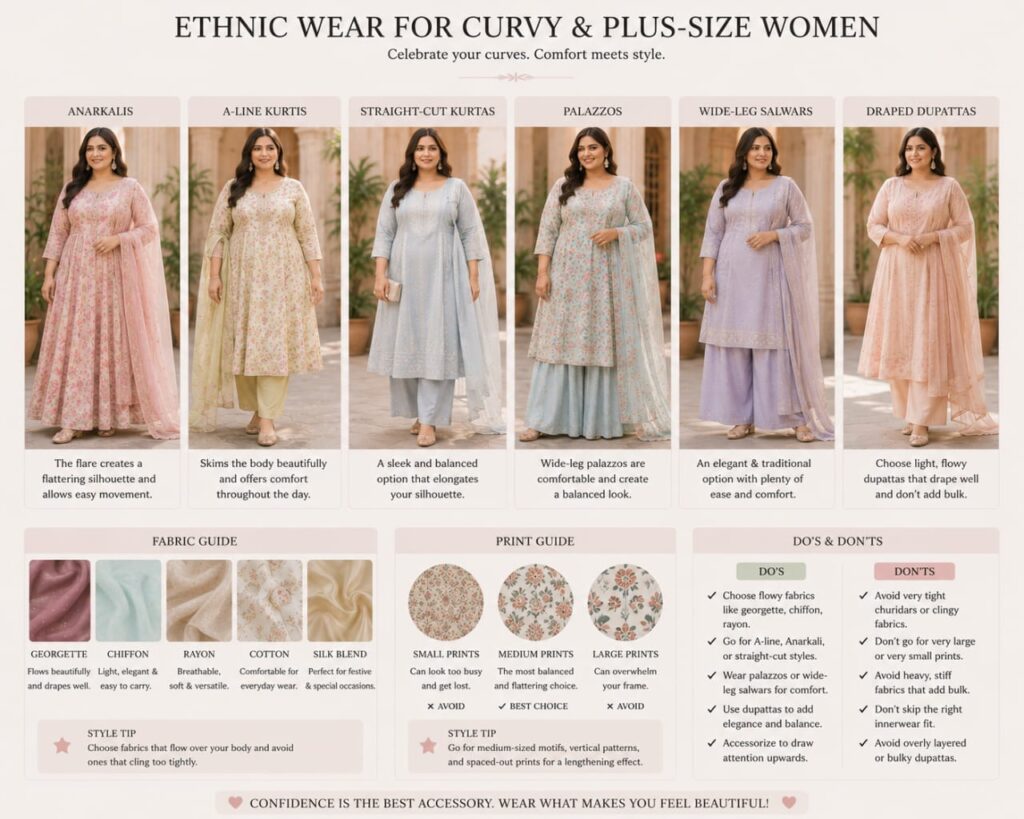
Women For Curvy and Plus-Size
Anarkalis are genuinely great — the flare creates a flattering line and gives room for movement. A-line kurtis and straight-cut long kurtas work well too. Georgette and chiffon drape well on curvier bodies. Palazzos and wide-leg salwars are a more comfortable and equally stylish choice over very tight churidars. For prints, medium-sized motifs tend to look most balanced — not too small, not very large.
For Tall Women
Tall women can carry almost any silhouette. Wide-leg bottoms — shararas, palazzos, ghararas — create proportion and width. Floor-length anarkalis look especially good. Bold horizontal prints, large motifs, and layered dupattas all work.
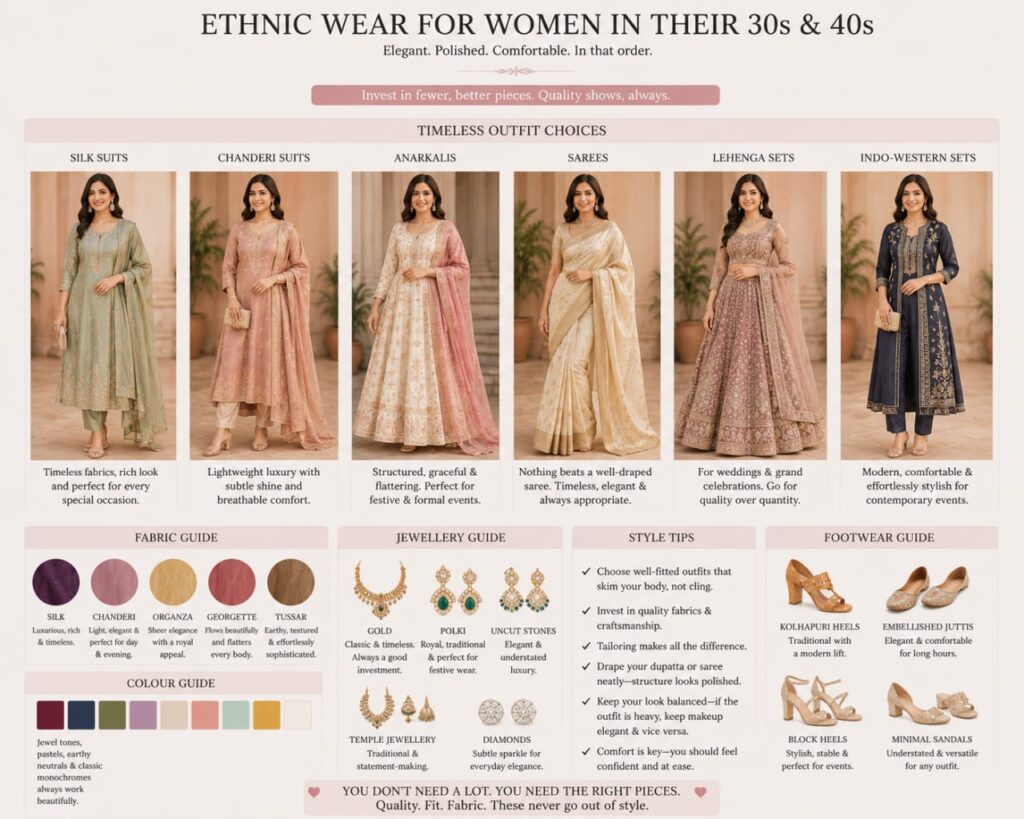
For Women in Their 30s and 40s
Elegant, polished, comfortable — in that order. Silk and chanderi suits, structured anarkalis, well-draped sarees. This is also where the quality of your clothes starts to matter more. A few good ethnic pieces in proper fabrics will serve you far better than a lot of mediocre ones. Jewellery can be more substantial — gold, uncut stones, polki.
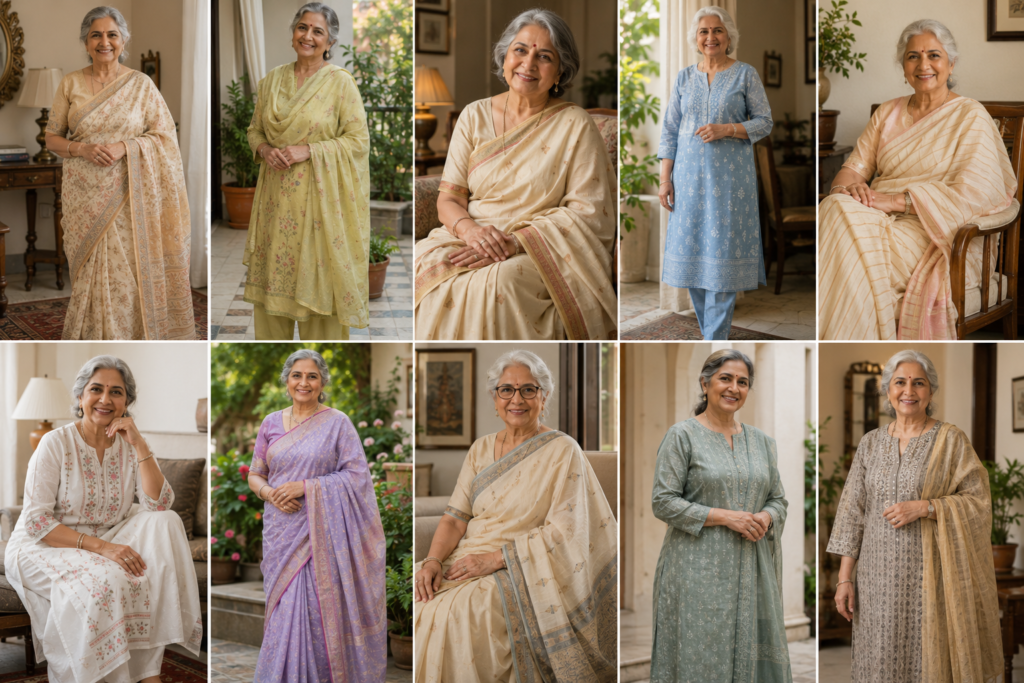
For Older Women and Grandmothers
Comfort first, always. Cotton and silk sarees, comfortable salwar suits, loose kurtas in breathable fabrics. Avoid very structured or stiff garments. Handloom fabrics — Khadi, Chanderi, Maheshwari — are beautiful and breathable.
Petite tip:
Kurtis that hit just above or at the knee keep proportions balanced without needing heels. Midi and maxi lengths can work, but you’ll likely need footwear with some height to compensate.
5. Accessories to Complete an Ethnic Look
The right accessories can make a simple kurti look festive. The wrong ones can undercut an expensive lehenga. Accessories are often what makes the difference between an outfit and a look.
Dupattas
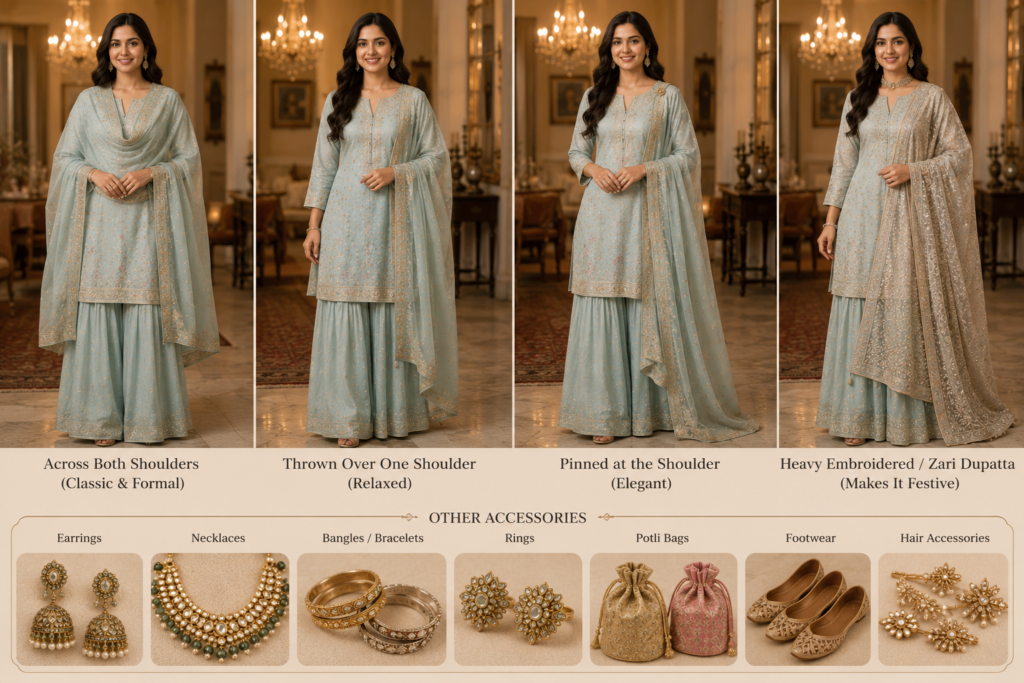
How you wear it changes the whole outfit. Draped across both shoulders is classic and formal. Thrown over one shoulder is more relaxed. Pinned at the shoulder and left to flow is elegant. A heavy embroidered or zari dupatta can take a plain kurta-palazzo set and make it look festive. If the outfit is already heavily embroidered, a plainer dupatta brings balance.
Footwear
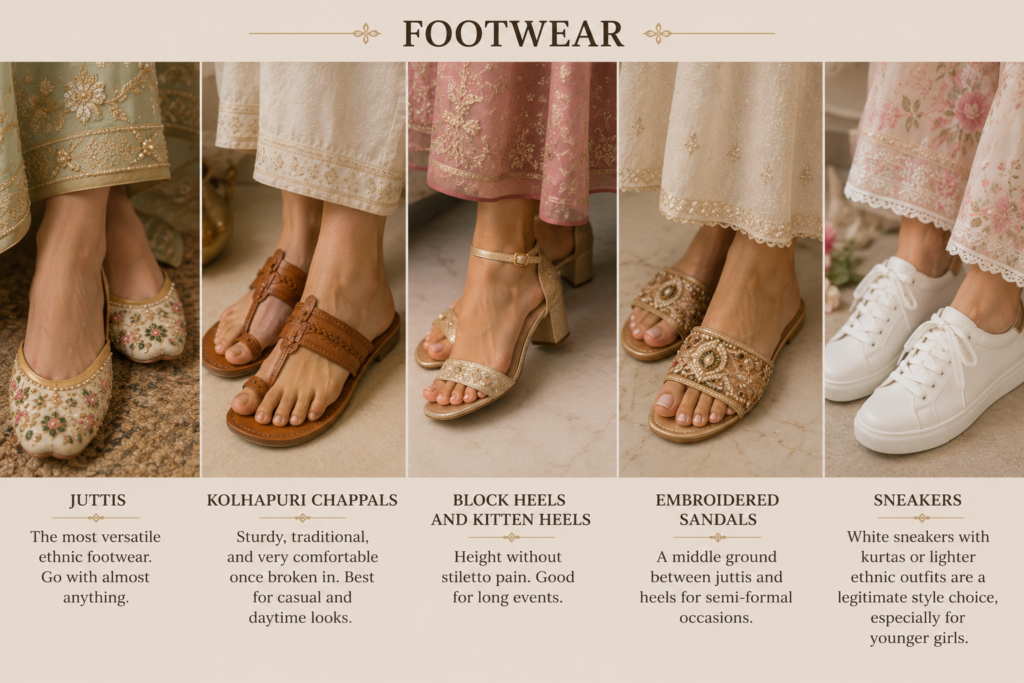
1.Juttis— the most versatile ethnic footwear. Go with almost anything.
2.Kolhapuri chappal — sturdy, traditional, and very comfortable once broken in. Best for casual and daytime looks.
3.Block heels and kitten heels — height without stiletto pain. Good for long events.
4.Embroidered sandals— a middle ground between juttis and heels for semi-formal occasions.
5.Sneakers— white sneakers with kurtas or lighter ethnic outfits are a legitimate style choice, especially for ethnic wear for girls.
Jewellery
Match the weight of your jewellery to the formality of the occasion.
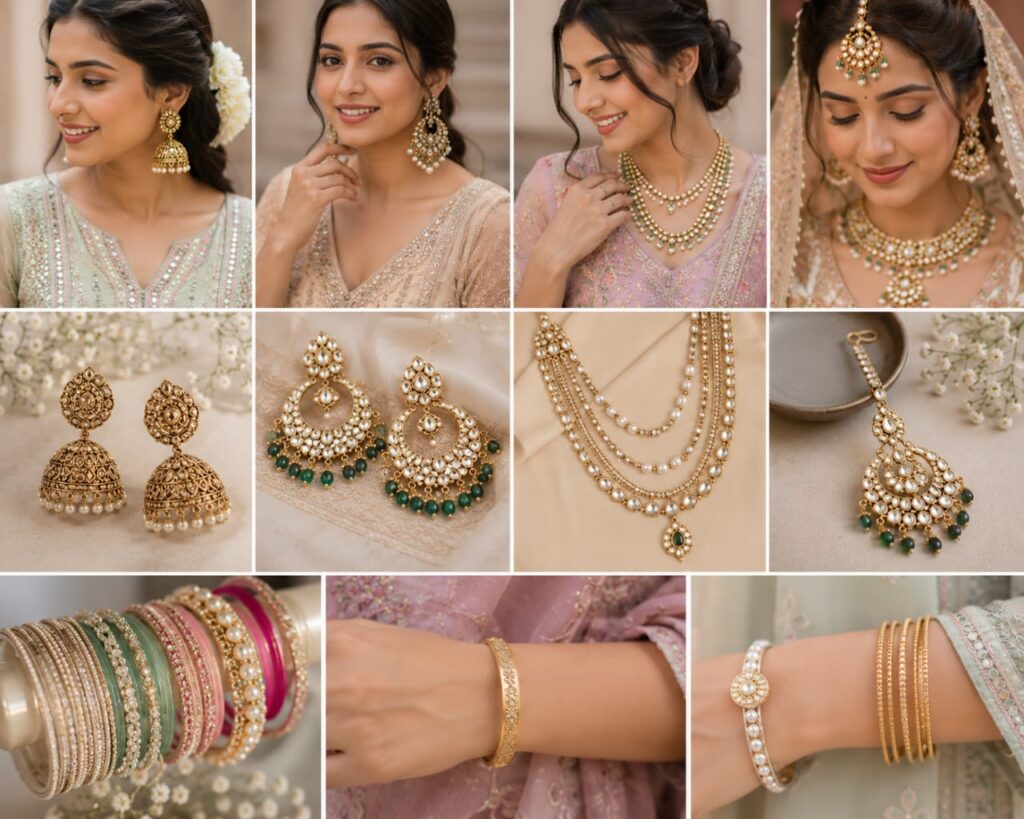
1.Jhumkas— the single most useful piece of ethnic jewellery you can own. Goes with everything.
2.Chandbalis and statement earrings — for festive and wedding occasions.
3.Layered necklaces — work well with simple kurtis and ethnic dresses with plain necklines.
4.Maangtika — for weddings and heavily festive events. One strong hair accessory is enough.
5.Bangles and kadas — glass bangles are festive and joyful. A single metal kada is more modern for everyday.
Bags and Clutches
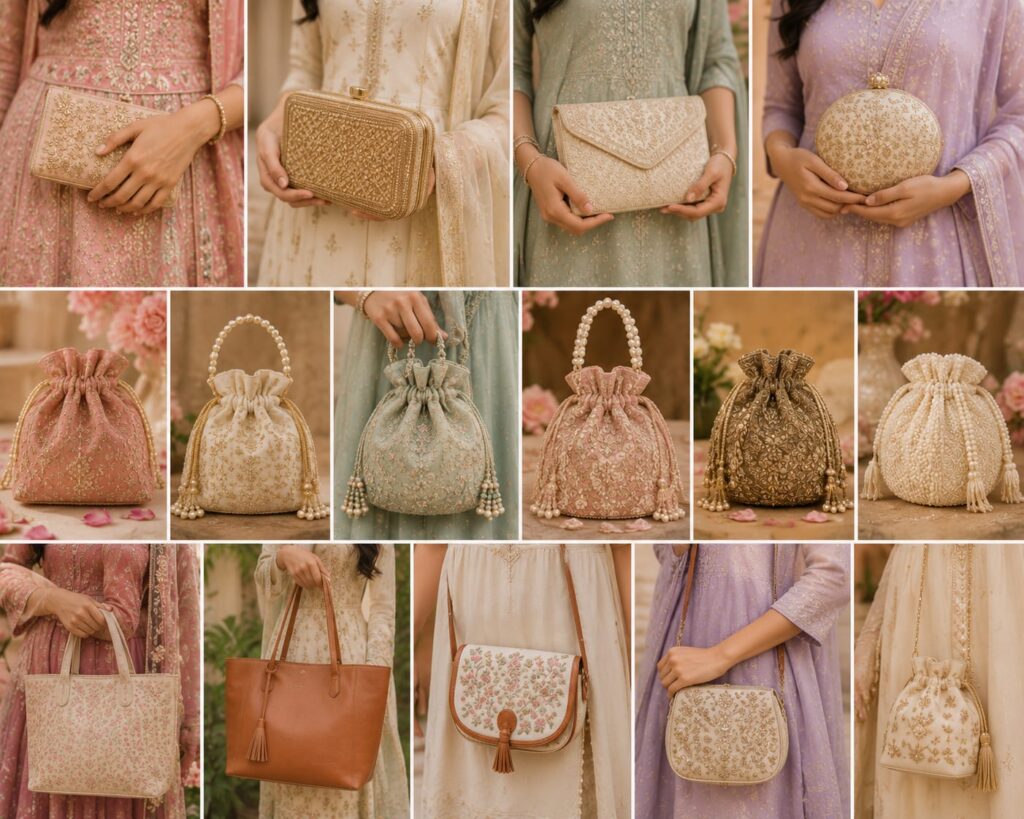
For formal ethnic occasions, a clutch or potli bag (the small drawstring bags in fabric or beadwork) is the right choice. Structured leather handbags clash with heavily traditional outfits aesthetically. For casual ethnic dressing, a simple tote or sling bag works.
Hair
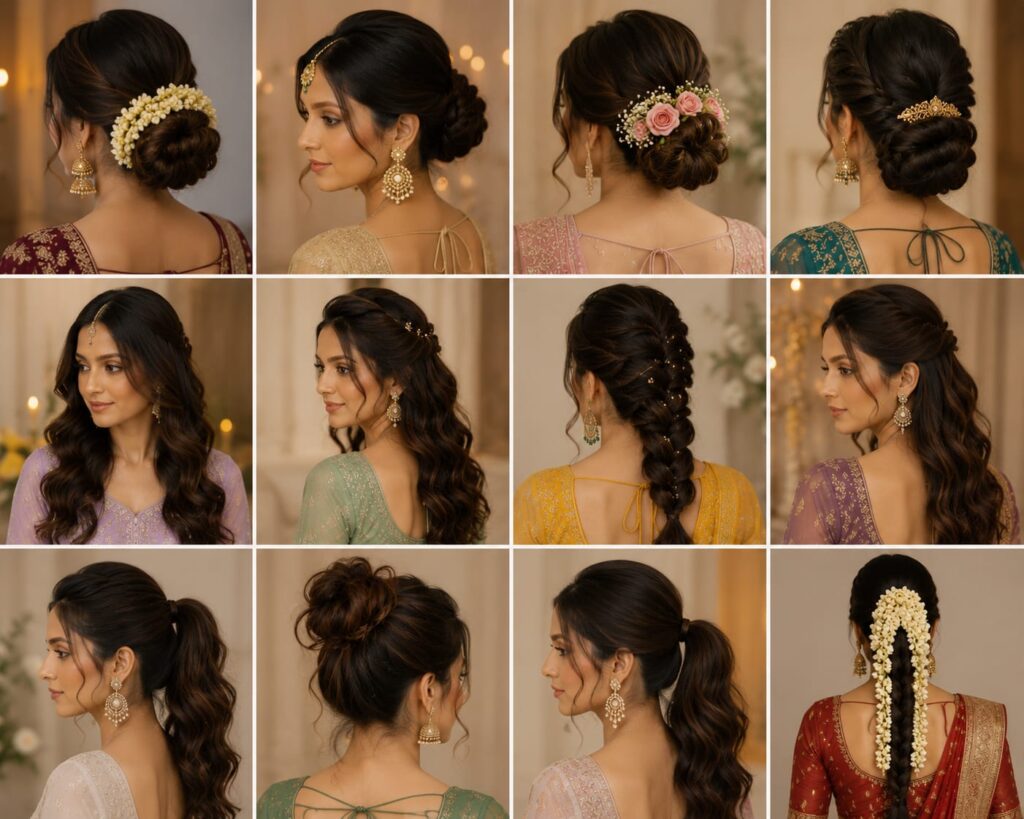
A simple bun with a maangtika or flowers is always right for festive occasions. Loose waves or a side braid for semi-formal events. Ponytail or neat messy bun for casual ethnic dressing. Mogra (jasmine) flowers woven into a braid are beautiful for South Indian and traditional looks.
Makeup
A bold red or berry lip with minimal eye makeup is reliable and classic for ethnic wear. A strong eye — kajal, winged liner, or smoky — works with a neutral or nude lip. For daytime or office, keep it simple: a good kajal or tinted moisturiser with a small bindi. The bindi itself is an accessory a lot of women forget about — even a small one completely transforms the look in the context of an ethnic outfit.
General rule:
Plain or minimal outfit → go heavier on accessories. Heavily embroidered or embellished outfit → pull back. One strong statement piece is enough.
FAQs
1.What is the difference between ethnic and traditional wear?
Traditional wear is tied to specific cultural rituals — the white cotton saree worn at certain Bengali ceremonies, or bridal dress codes that haven’t changed in generations. Ethnic wear is broader. It draws from cultural roots but isn’t tied to specific customs. A Banarasi kurti is ethnic wear. A Kanjeevaram saree worn at a Tamil wedding becomes traditional wear in that context. The line blurs often.
2.What comes under ethnic wear for women?
Sarees, kurtis and kurti sets, salwar suits, lehengas, shararas, ghararas, anarkalis, ethnic dresses, fusion wear, ethnic crop tops, and dupatta-based outfits. Anything drawing from Indian regional fashion traditions counts.
3.Which colours are trending in ethnic wear for women?
Right now: pastels — dusty rose, sage green, lavender, soft butter yellow. On the richer end, emerald green, royal blue, and wine, especially at weddings. Mustard yellow has had a consistent run for a few seasons. Classic red never goes out of style for festive occasions. Any of these shades will still feel current a few years from now.
4.How do I style ethnic wear for festive and wedding functions?
Start with the right base outfit — a lehenga or silk saree for the wedding itself, something slightly lighter for pre-wedding functions. Build accessories around it: statement necklace or chandbali earrings, an embroidered potli or clutch, embroidered heels or juttis. Do your hair properly — even a simple bun with flowers looks intentional. Finish with a bindi if you want one. The goal is to look considered, not like you piled everything on at once.
5.What accessories go well with ethnic wear for women?
Jhumkas are the most reliable starting point. Beyond that: layered necklaces for simple kurtis, chandbalis for festive occasions, bangles, a potli bag or embroidered clutch for events, juttis or kolhapuri chappals for footwear, and a well-chosen dupatta if the outfit doesn’t come with one. Balance accessories to the outfit — busy outfit, fewer accessories; plain outfit, more.
6.What is the best ethnic wear for summer?
Chikankari on muslin or georgette, cotton block-print kurtis, and chanderi or linen salwar suits are the most comfortable choices for summer. Stick to light fabrics, lighter colours, and minimal embroidery. Avoid polyester and heavy crepe — both trap heat. Flat kolhapuri chappals or juttis are the most sensible footwear for daytime summer events.
7.What should I wear to a Diwali party?
For Diwali, festive and colourful is the brief. A bandhani or block-print kurti set, a co-ord in a jewel tone, or a lehenga in mustard, emerald, or deep red all work well. Mirror work and zari embroidery are very appropriate for the occasion. Keep jewellery festive — jhumkas, glass bangles, a statement necklace. If you’re going to multiple houses, pick something comfortable enough to wear for 4–5 hours.