


Introduction
Kathak dress and makeup is not meant to look glamorous up close; it is meant to communicate expressions clearly on stage. In Kathak, storytelling happens through facial expressions, eye movements, and subtle emotions. Under strong stage lights and from a distance, normal or soft makeup completely fades away.
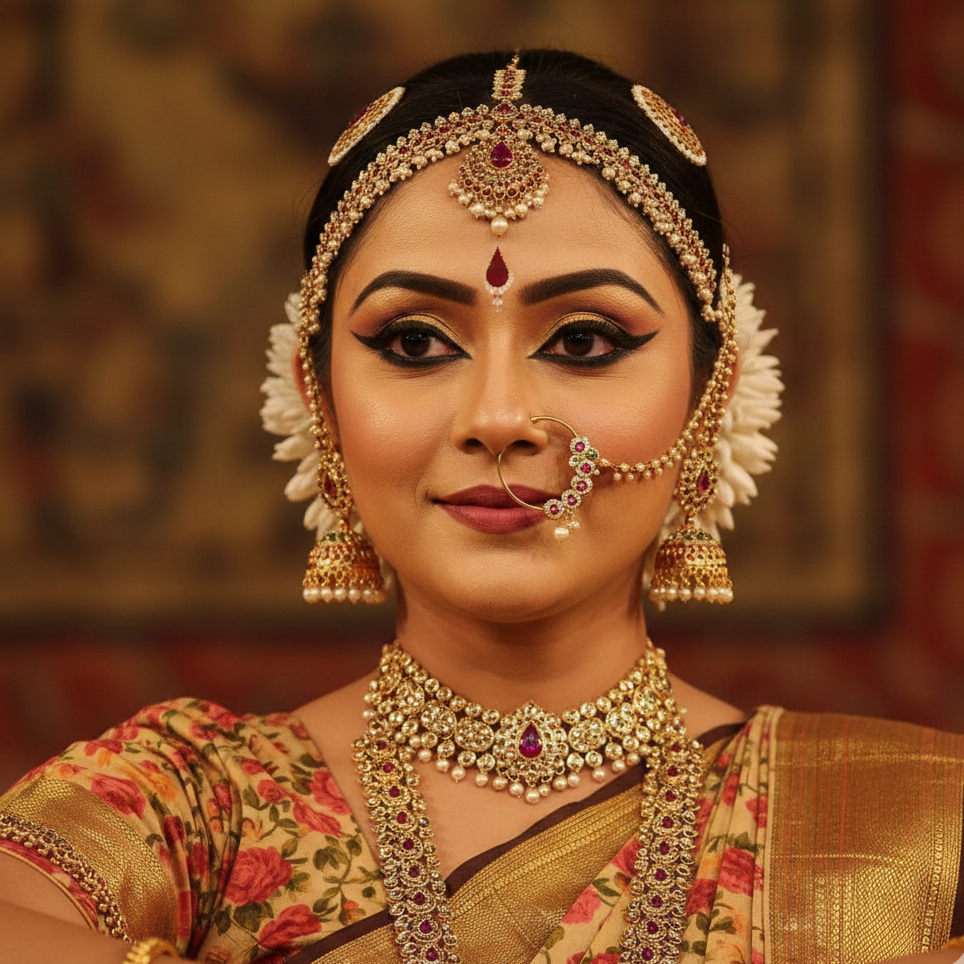
This is why Kathak makeup follows a different logic than daily or bridal makeup. It focuses on sharp eye definition, balanced base makeup, controlled colours, and traditional styling that supports movement and expressions. When done correctly, Kathak dress and makeup enhances the dance without distracting from it.
This guide explains Kathak dress and makeup in a practical and performance-focused way. You will learn how the dress affects makeup choices, how to apply eye makeup correctly, how to manage sweat and lighting, which hairstyle and jewellery suit Kathak best, and how to avoid common mistakes.
Who Is This Guide For?
This Kathak dress and makeup guide is designed for anyone involved in Kathak performances, regardless of experience level. It is especially helpful for Kathak students who are learning stage presentation and want to understand how makeup supports expressions and movement. Teachers and dance instructors can also use this guide as a reference to help students follow correct and traditional makeup practices.
Parents who assist young dancers with costumes and makeup will find this guide useful, as it explains what is essential and what should be avoided on stage. Even readers who are simply interested in Indian classical dance will gain a clear understanding of how Kathak makeup differs from regular or fashion makeup. The focus throughout remains practical, traditional, and performance-ready.
Understanding Kathak Dress Makeup
Kathak dress and makeup refers to the complete makeup approach used for Kathak performances to ensure expressions remain visible, balanced, and durable under stage conditions. Unlike fashion or bridal makeup, Kathak makeup is functional it exists to serve the dance.
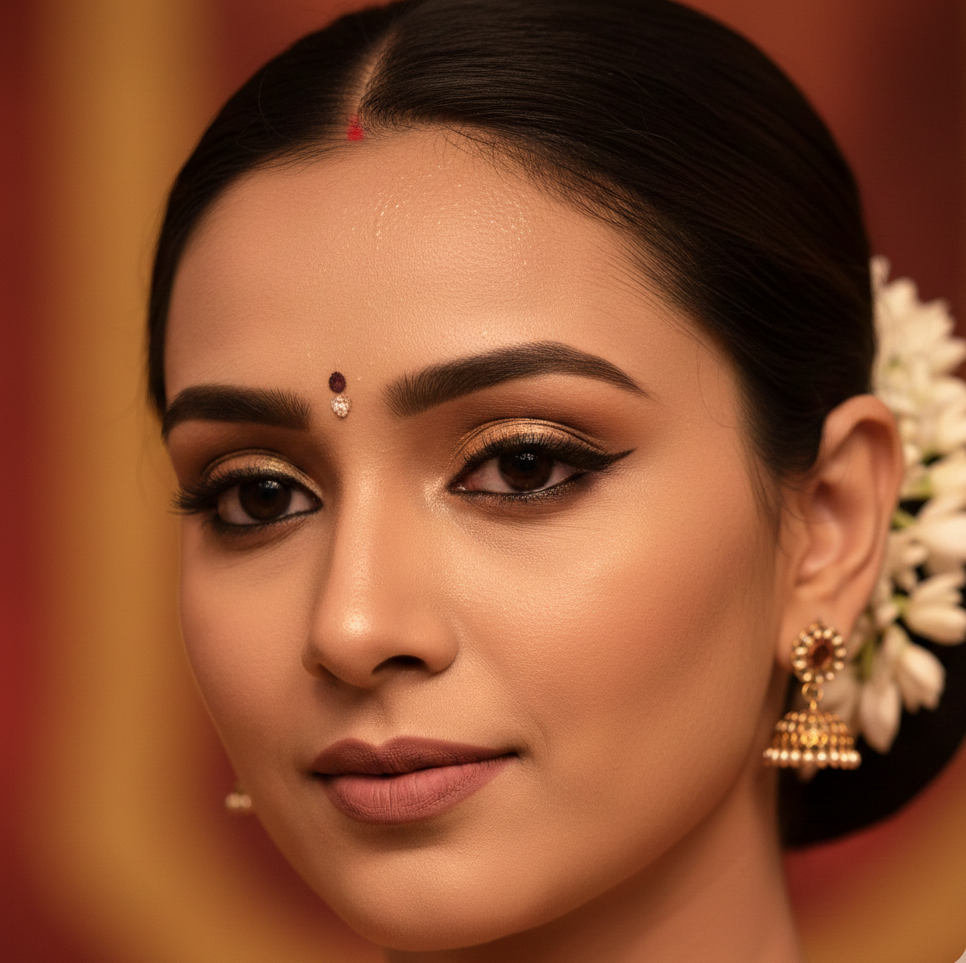
Stage lights flatten facial features and absorb colour. Makeup that looks heavy in normal lighting often looks just right on stage. Kathak makeup therefore uses stronger eyeliner, defined eyes, and controlled contouring to maintain facial structure during performance.
Three principles define Kathak dress makeup:
Facial expressions must remain visible from a distance
Makeup must withstand sweat and movement
The look must stay traditional and disciplined
Any makeup style that fails these principles is unsuitable for Kathak, no matter how trendy it appears.
Kathak Dress and Its Impact on Makeup
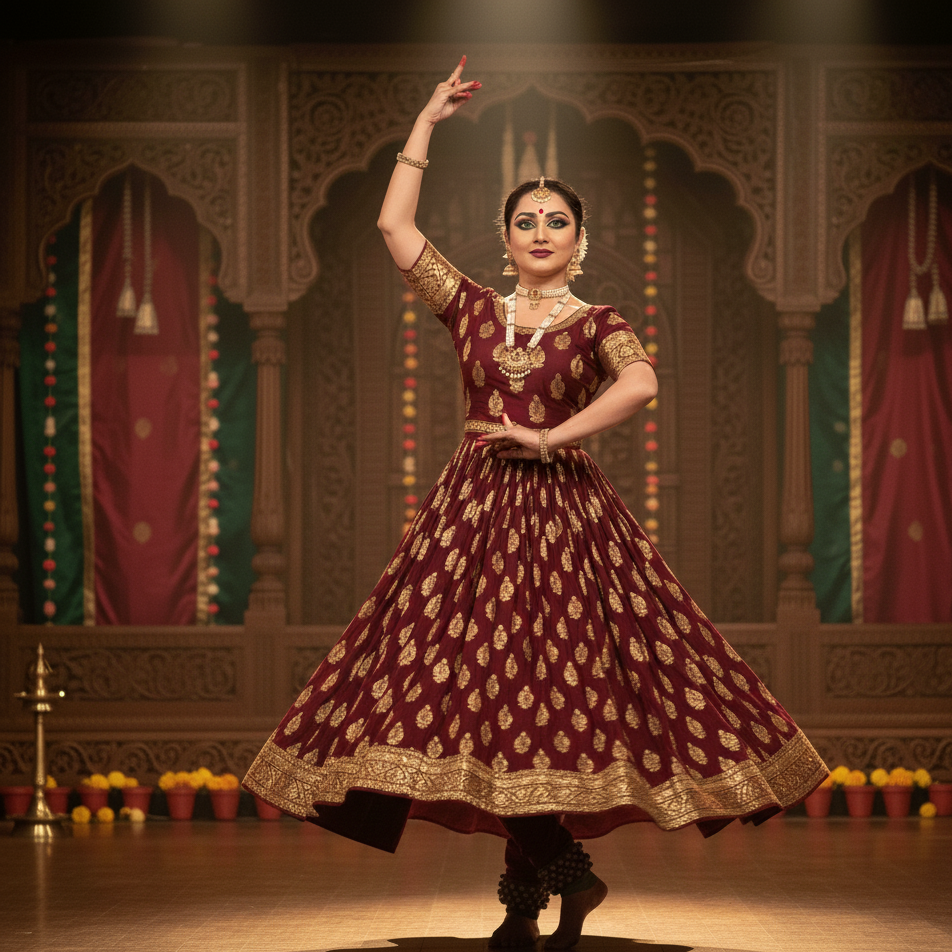
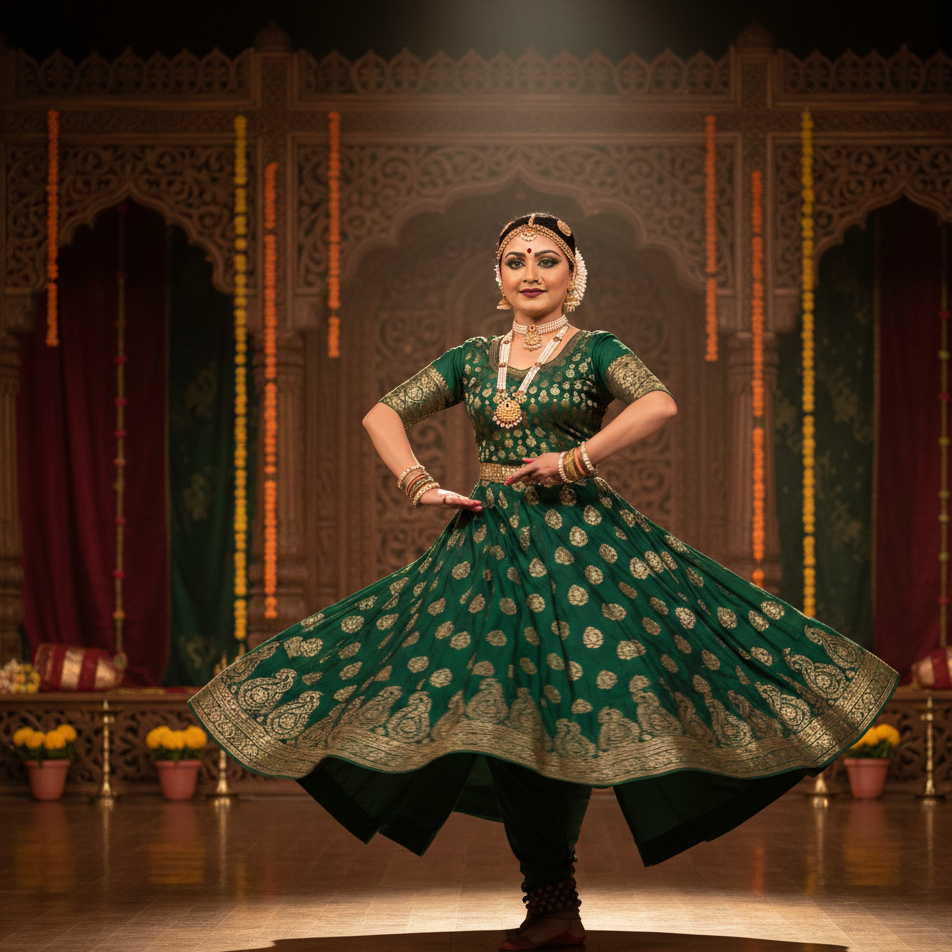
The Kathak costume directly influences makeup decisions. Traditional Kathak dresses usually anarkali or lehenga-style costumes are rich in colour, flow, and detailing. Makeup must complement this visual weight, not clash with it.
Darker costumes require stronger eye definition so the face does not disappear visually. Lighter or pastel costumes allow slightly softer lip colours but still demand bold eyeliner and kajal. Makeup should always be planned after finalising the costume.
Ignoring the dress while planning makeup often results in an unbalanced stage appearance. Kathak dress makeup works best when costume, makeup, and jewellery are treated as one complete unit.
Eye Makeup for Kathak
The most important component of Kathak dress and makeup is eye makeup. Eye movement is crucial for storytelling, emotions, and expressions; if the eyes are not clearly defined, the performance loses impact.
Kathak eye makeup is not ornamental. It is intended to:
- Make the eyes appear larger.
- Pay attention to eye movements.
- Remain alert in the presence of stage lights.
How to Use Kathak Eyeliner
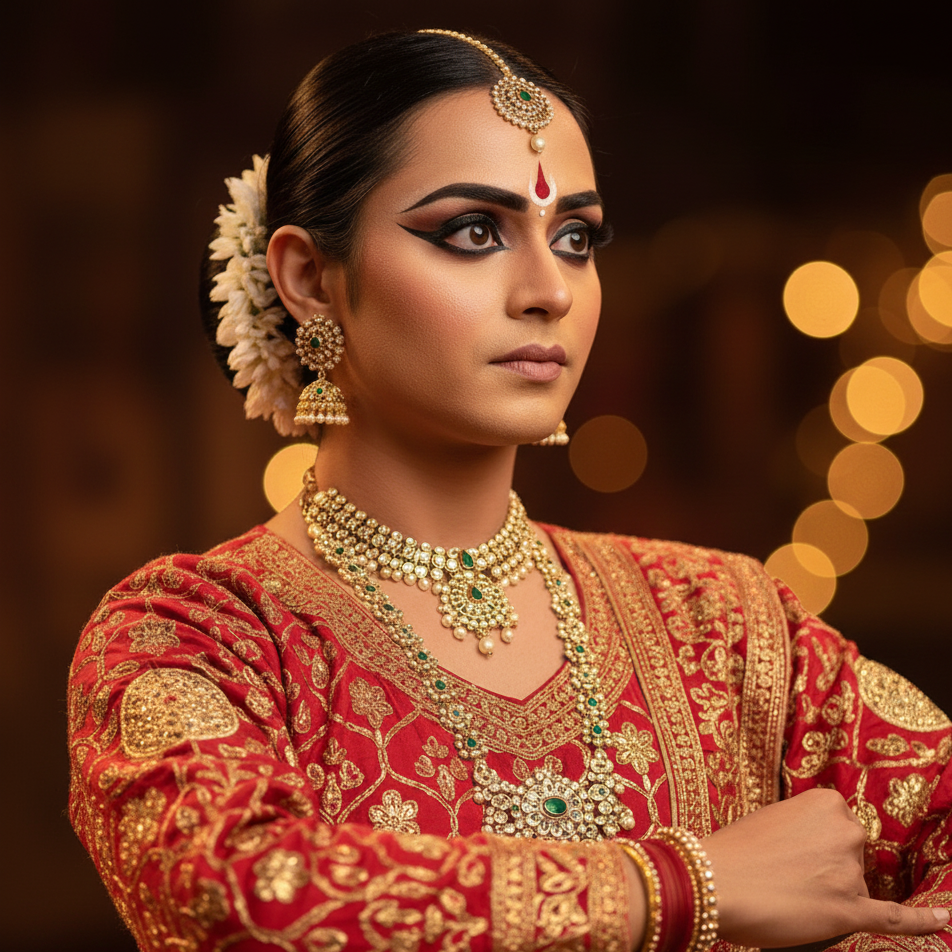
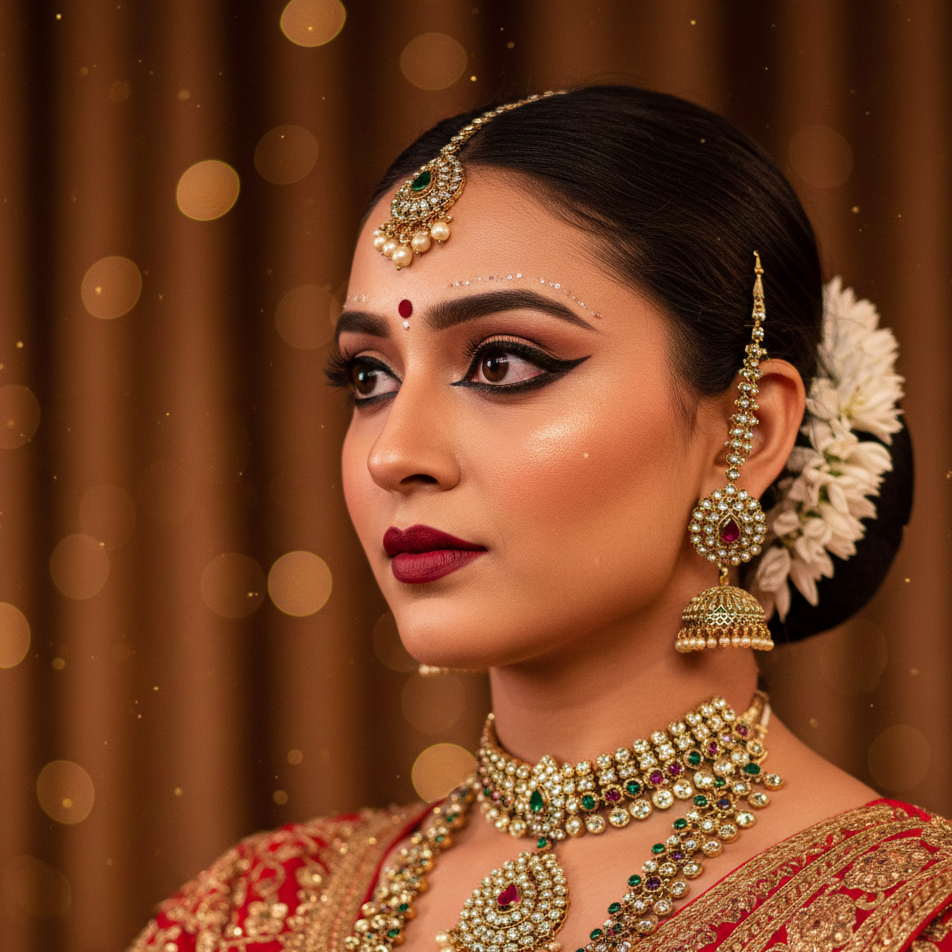
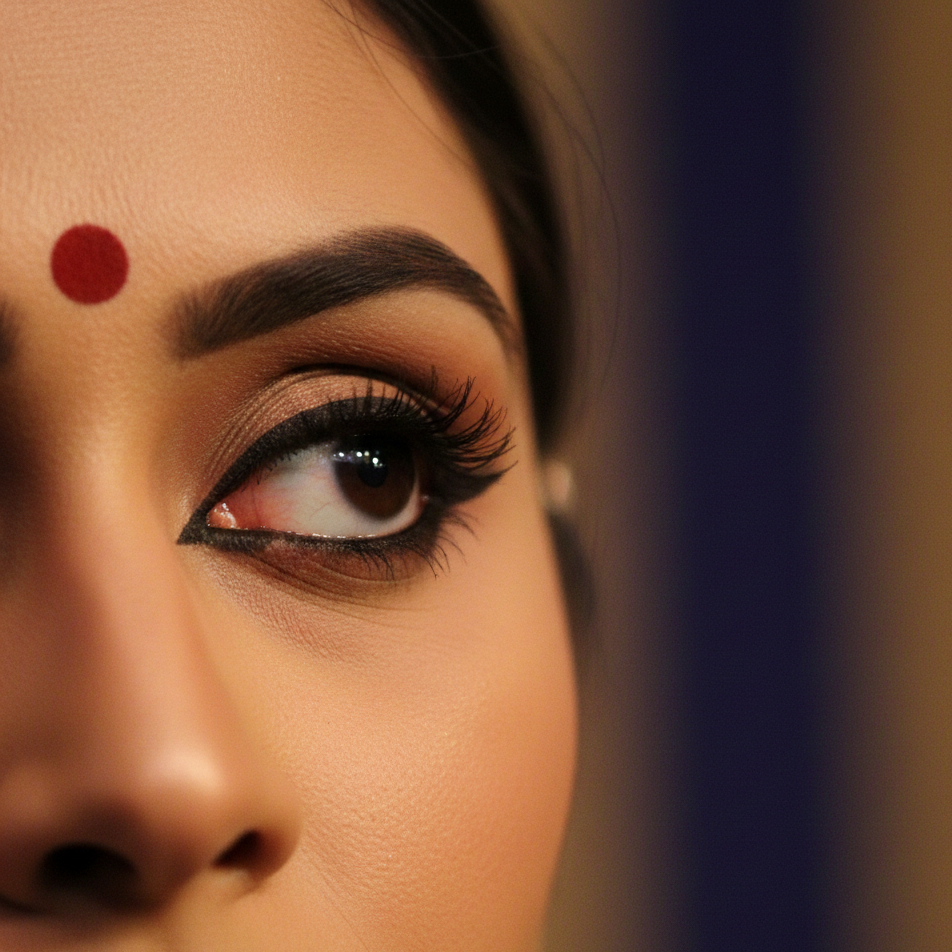
Apply a waterproof, matte black eyeliner. The thickness of the upper eyeliner should allow it to be seen from a distance. Without striking wings, the line should follow the natural eye shape and extend slightly outward.
Kajal, not liquid eyeliner, should be used to define lower lash lines. This enhances expressions without being harsh and fully frames the eyes.
Eyeshadow and Kajal Placement
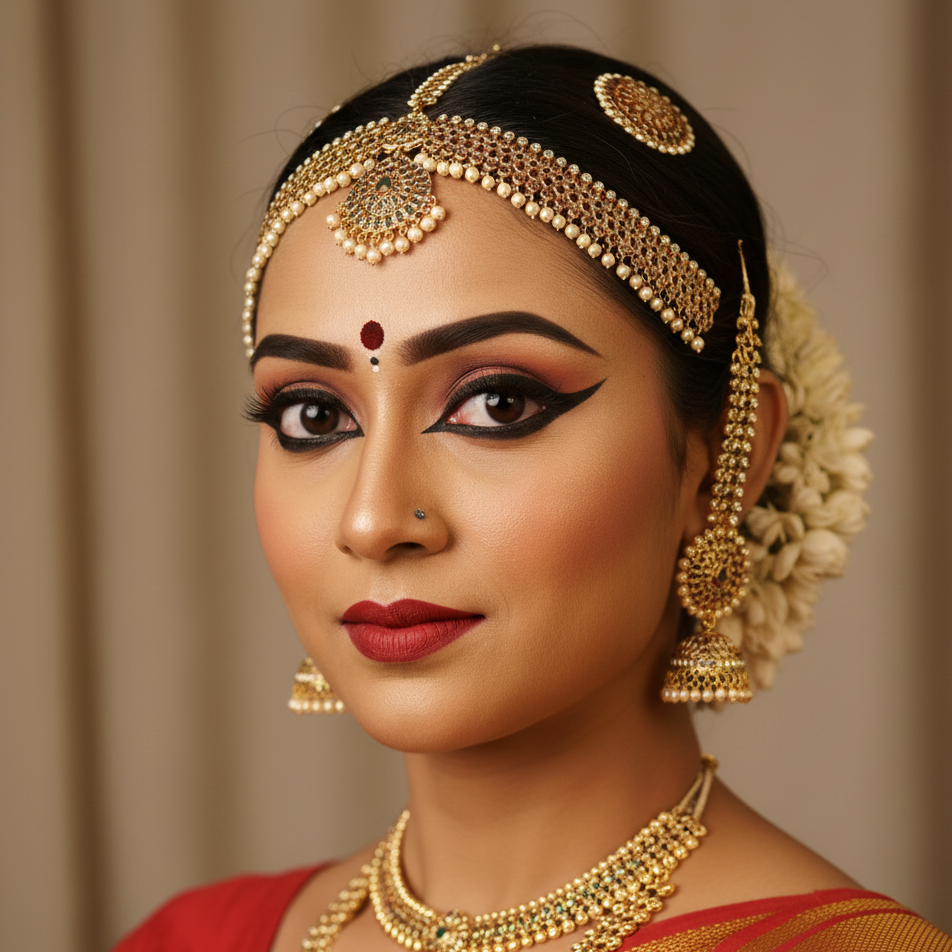
Eyeshadow ought to be delicate. The best matte colors are those that are neutral, like soft gold, beige, or brown. Excessive shimmer detracts from facial expressions and poorly reflects stage light.
Kajal needs to be smudge-proof and deep black. During performance, it should accentuate the lower eye without spreading or fading.
Common Eye Makeup Mistakes to Avoid
Steer clear of colored eyeliner, glittery eyeshadow, and bridal-style wings. These styles are inappropriate for classical performance and diminish clarity. Readability and control should always be the top priorities for Kathak eye makeup.
Base Makeup for Kathak Performances
Base makeup in Kathak isn’t about looking flawless up close; it’s about surviving the performance. You’ll be under hot lights, sweating, and moving nonstop, so your makeup needs to hold its ground till the last tat te thai.
Start with a sweat-resistant primer this is non-negotiable. Go for a foundation that matches your skin tone exactly; stage lights will already do enough distortion. Skip heavy dewy finishes they look nice for photos but melt fast on stage.
Use concealer only where it’s actually needed. More product doesn’t mean better coverage; it usually means cracks and uneven patches halfway through the performance. Finally, set your base properly with powder, especially on high-sweat zones like the nose, forehead, and chin. That’s what keeps everything in place when the ghungroos start doing their job.
Kathak Hairstyle for a Traditional Look
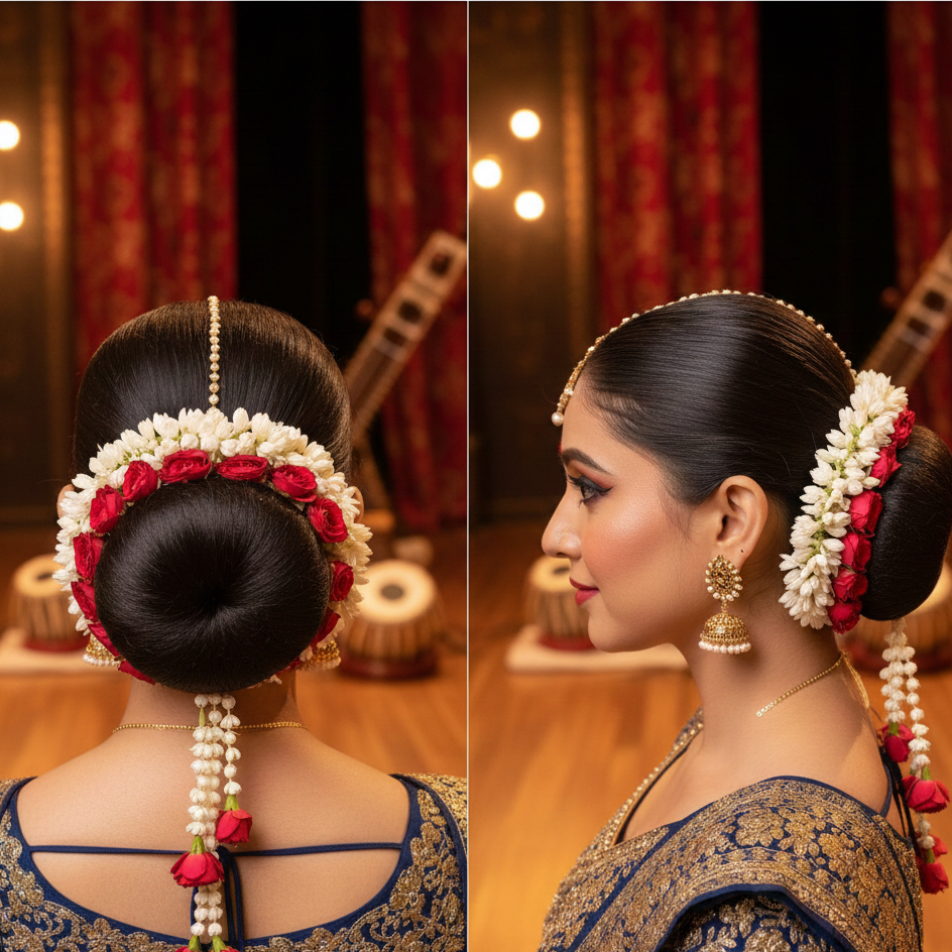
The Kathak hairstyle is kept strict for a reason. Its main job is to keep the face completely open so expressions and eye movements are never hidden. That’s why the centre parted low bun is followed so seriously. It’s not a trend or a style choice it’s practical. During spins and fast footwork, this hairstyle stays put and keeps the dancer looking composed instead of messy.
Hair in Kathak has to be firmly secured. Loose strands, flyaways, or over-styled hair become distracting very quickly once the performance starts. They pull attention away from expressions and break the clean look of the face. A simple hairstyle actually works in the dancer’s favour it makes sure the audience focuses on emotion and movement, not on adjusting hair.
Decorations like gajra or small hair ornaments can be used, but only in moderation. If they start moving too much or need constant fixing, they’re doing more harm than good. When done right, the Kathak hairstyle quietly frames the face, supports strong eye makeup, and holds everything together on stage. It’s meant to support the performance, not become a performance of its own.
Jewellery for Kathak Dress Makeup
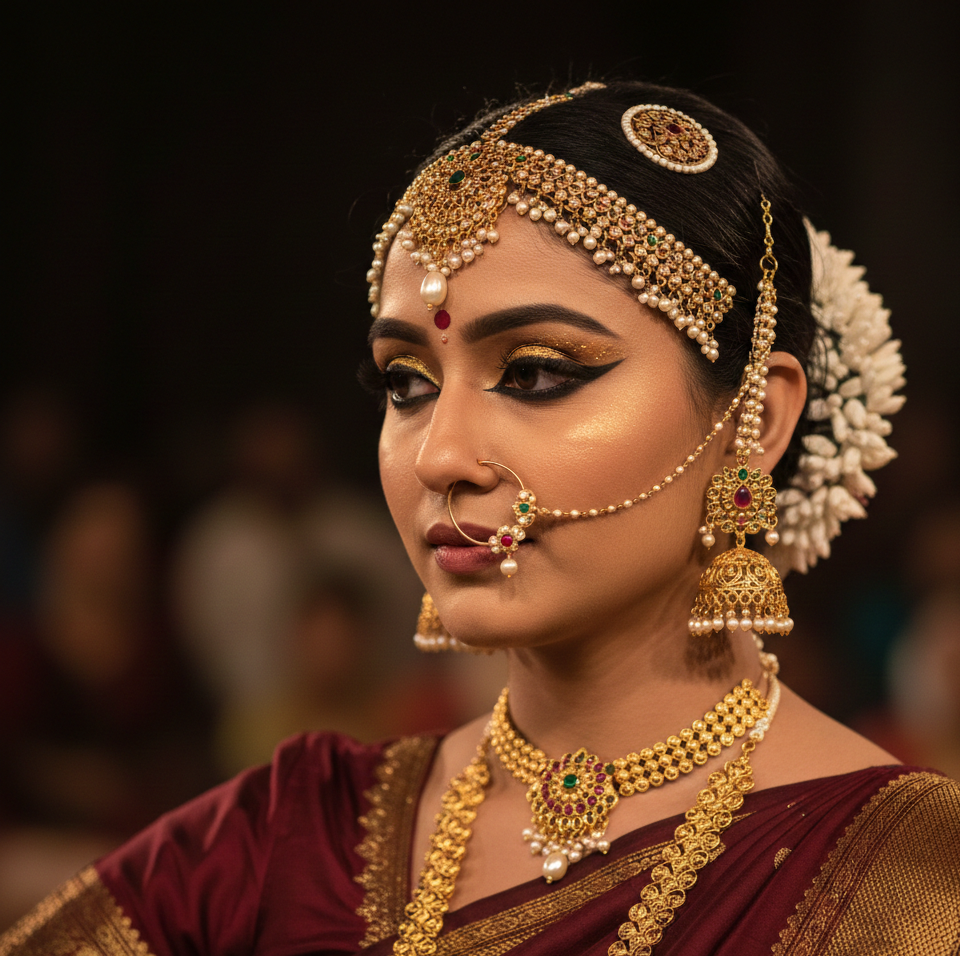
In Kathak, jewellery is not meant to show off. Its job is to quietly support the performance. It should frame the face so expressions stand out, not steal attention from them. That’s why traditional Kathak jewellery is kept simple things like a nose ring, earrings, a maang tikka, and maybe a light necklace. Everything is chosen to sit well with the costume and makeup, not to outshine them.
One of the most common mistakes dancers make is wearing jewellery that’s too heavy or too flashy. It might look stunning before the performance, but once the dancing starts, it becomes a problem. Heavy pieces pull on the ears, move out of place during spins, or constantly need fixing backstage. Instead of focusing on rhythm and expression, the dancer ends up worrying about what’s slipping or hurting.
Good Kathak jewellery feels almost unnoticeable while dancing. It stays secure, moves naturally with the body, and never demands attention. When the balance is right, the audience remembers the expressions, the story, and the performance not the accessories. That’s when jewellery is doing exactly what it’s supposed to do.
Kathak vs Kathakali Makeup
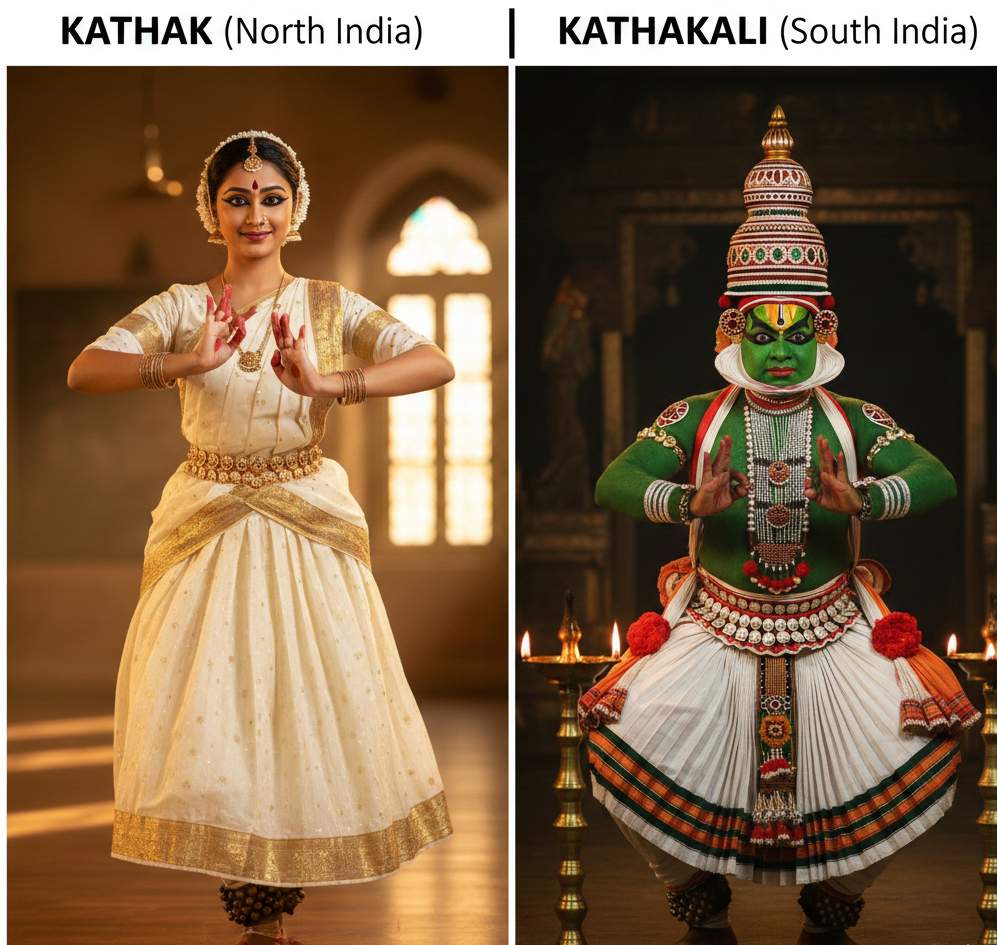
Kathak makeup is very often confused with Kathakali makeup, and honestly, that confusion comes from not understanding what each dance is trying to do. Kathak is about human stories, emotions, and expressions. The audience needs to see the dancer’s real face and feel the emotion changing with every movement. That’s why Kathak makeup stays close to natural skin tone. The eyes are highlighted so expressions don’t get lost on stage, but the face still looks like the dancer, not a character mask.
Kathakali works in a completely different way. Its makeup is not meant to look natural at all. It is symbolic and follows strict rules. The green face, bold lines, and strong colours immediately tell the audience what kind of character is being portrayed. Good or evil, calm or aggressive, everything is communicated through makeup even before the dancer starts moving. In Kathakali, the face itself becomes a visual symbol.
Because of this difference, using coloured face paint or exaggerated designs in Kathak is simply wrong. Kathak does not aim to transform the face; it aims to communicate emotion through it. When people mix Kathakali-style makeup into Kathak, it doesn’t make the performance stronger. It just shows a lack of understanding of the form and takes away from Kathak’s classical identity
Male vs Female Kathak Makeup
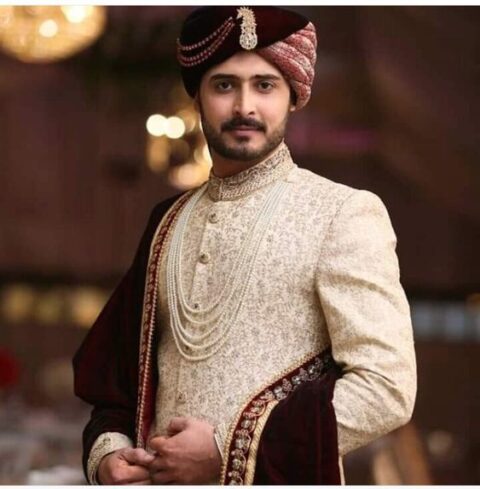
Kathak makeup isn’t divided into “male” and “female” just for the sake of gender. The real difference comes from the role being performed and the kind of expression that role demands. When women perform Kathak, the makeup usually leans towards grace and softness, because facial expressions play a huge role in storytelling. The eyes are clearly defined, lips are kept visible but not loud, and contouring is subtle just enough to support movement, not dominate the face. For male roles, the approach is much more controlled. The goal is strength and clarity, not decoration. Eye definition is still important, but everything else is kept minimal. Heavy foundation, strong lip colour, or extra contouring can make male characters look artificial and pull the audience out of the performance. If the makeup becomes noticeable, it has already failed its purpose. What many dancers forget is that there’s no fixed rulebook here. Makeup should change with the character, costume, and emotion being portrayed. A soft abhinaya piece and a powerful rhythmic composition won’t need the same face. In Kathak, makeup exists to support the story on stage not to announce itself. When it starts standing out, it stops doing its job.
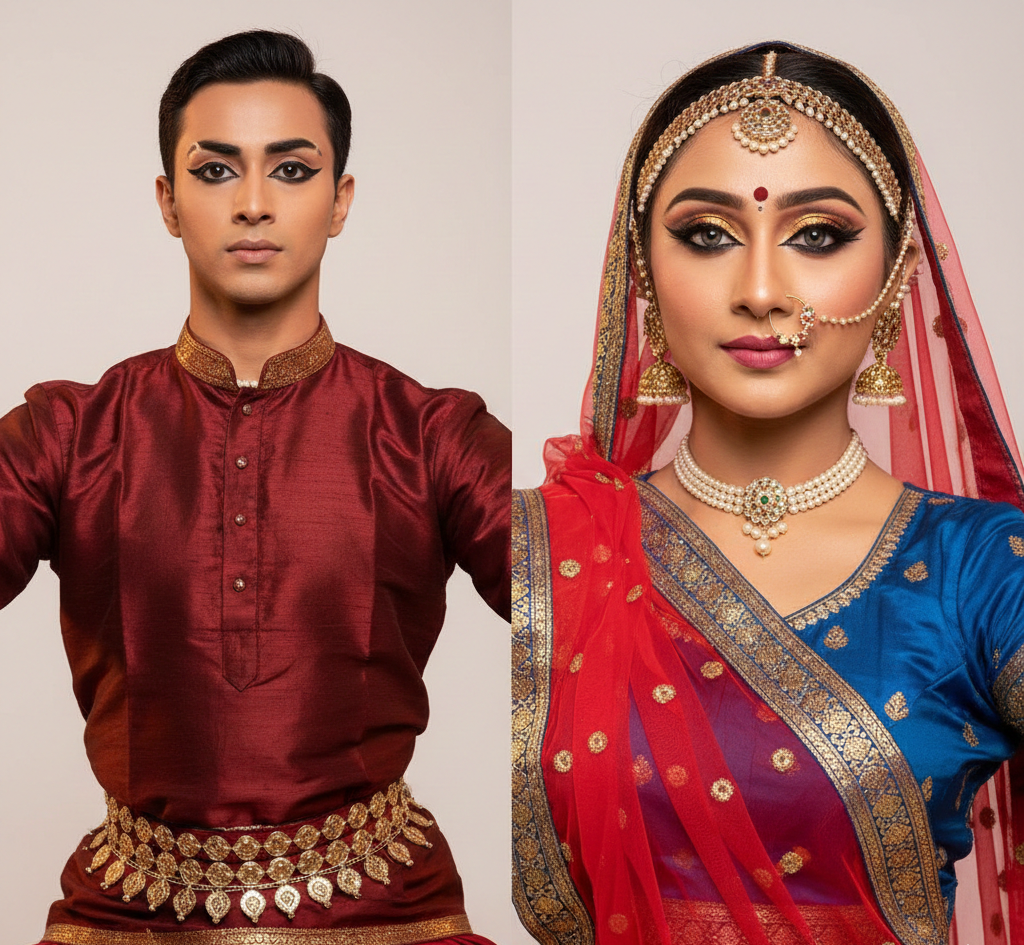
Common Mistakes in Kathak Dress and Makeup
One very common mistake in Kathak is doing makeup the way we do it for weddings or functions. Bridal makeup is made to look soft and pretty from close up, but on stage it simply doesn’t work. Thin eyeliner fades, heavy blending kills expressions, and glossy skin starts reflecting light instead of showing emotions. What looks “nice” in the mirror often disappears completely once the lights come on.
Another thing many dancers get wrong is over-accessorising. Wearing too much jewellery, very heavy hair pieces, or going overboard with makeup might look attractive in photos, but during a performance it becomes distracting. In Kathak, the audience should notice your expressions first not your ornaments. If the jewellery or makeup starts grabbing attention, it’s already a problem.
A lot of dancers also forget to check their makeup under stage lighting. Room lighting and stage lighting are not the same. Makeup that looks balanced at home can look dull, harsh, or uneven on stage. Skipping a proper trial under lights is one of the biggest reasons dancers feel something is “off” during the performance.
Lastly, durability is often ignored. Kathak involves movement, spins, and sweat. If makeup isn’t set properly, it starts smudging, itching, or running mid-performance. That breaks focus and confidence instantly. Good Kathak makeup isn’t about looking glamorous it’s about staying intact, comfortable, and expressive till the very last beat.
Why Proper Makeup Matters in Kathak Performances?
In Kathak, makeup is not optional it’s functional. On stage, lights are harsh and the audience is far away. Without proper makeup, your face simply disappears. Your eyes don’t read, your expressions don’t land, and the story you’re dancing stays locked inside you, no matter how good your footwork is.
Good Kathak makeup makes sure your face carries the same weight as your movements. It keeps emotions visible, eye work sharp, and expressions clear from the first row to the last. It also removes one big distraction from a dancer’s mind you’re not worrying about sweat, smudging, or fading while performing. When makeup is done right, you stop thinking about it altogether, and that’s the point. The audience sees the story, not the makeup, and the dance finally reaches them.
Frequently Asked Questions
How to apply eyeliner for Kathak?
Eyeliner for Kathak should be bold, matte, and clearly visible from a distance. Apply a thick black line along the upper eyelid and extend it slightly outward following the natural eye shape. Use kajal on the lower waterline to fully frame the eyes. The goal is to enhance expressions, not create dramatic wings.
How can I prevent my Kathak dance makeup from smudging?
To prevent smudging, start with a sweat-resistant primer and use waterproof eye products. Set the base makeup properly with powder, especially around the eyes, nose, and forehead. Avoid touching the face during performance, and always test the makeup under stage lighting before the event.
What are the basic makeup products needed for Kathak?
Basic Kathak makeup includes primer, foundation matching the skin tone, concealer, compact or loose powder, black eyeliner, kajal, neutral matte eyeshadow, lipstick, and a light setting spray. Products should be chosen for durability rather than a glossy finish.
What are common eyeliner mistakes to avoid in Kathak makeup?
Common mistakes include using thin eyeliner lines that disappear on stage, applying glitter or shimmer eyeshadow, creating bridal-style dramatic wings, and uneven eyeliner application. Kathak eyeliner should focus on clarity and balance to support facial expressions.
Why is green makeup used in Kathakali but not in Kathak?
Kathakali uses symbolic face painting, including green makeup, to represent mythological characters. Kathak focuses on realistic storytelling and facial expressions, so it uses natural skin tone with defined eye makeup instead of coloured face paint.
Conclusion
Kathak dress and makeup are not optional add-ons they are part of the performance itself. When they’re done properly, they help expressions travel, movements look clean, and the story stay clear under harsh stage lights. Every small detail matters, from how the eyes are defined to how the base holds up through spins, from the hairstyle staying in place to the jewellery sitting exactly where it should. Nothing exists in isolation; everything works together to support the dancer on stage.
The real strength of Kathak makeup is balance. It needs to be strong enough to be seen from a distance, but never so loud that it starts overpowering the dance. Too little makeup and expressions get lost; too much and the classical feel disappears. Understanding this balance comes with practice and observation not copying looks, but adjusting them to suit the costume, lighting, and the piece being performed.
At the end of the day, Kathak dress and makeup are meant to serve the dance, not compete with it. When done thoughtfully, even simple makeup can make a performance look confident and complete. The audience should leave remembering the expressions, the rhythm, and the story not the makeup. That’s when a Kathak performance truly feels right.